
The Myth of One 'Official' Diet
The popular concept of a singular "Mediterranean diet" largely stems from studies in the 1960s, like Ancel Keys' Seven Countries Study, which observed low rates of heart disease in areas like Crete and southern Italy. This led to a generalized eating
pattern promoted for its health benefits: rich in olive oil, vegetables, and grains, and low in red meat. However, this simplified model doesn't capture the vast culinary differences from country to country. The term itself is more of a modern health-focused label than a reflection of a unified culinary identity across the diverse peoples of the Mediterranean basin. In reality, the diet of someone in Spain is markedly different from that of someone in Turkey or Morocco.
A Taste of Greece
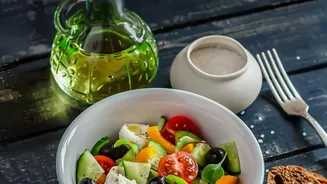
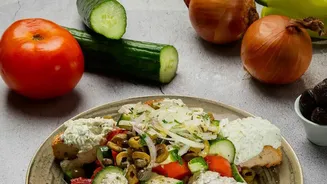
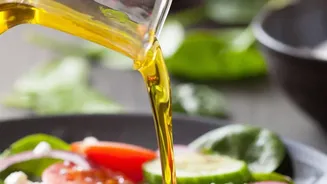
Greek cuisine, often considered a prime example of the Mediterranean eating style, is fresh, vibrant, and deeply regional. It relies heavily on locally sourced vegetables, wild greens, and an abundance of extra virgin olive oil—Greeks are the world's highest per-capita consumers. Feta cheese, made from sheep's or goat's milk, is a staple, as is thick yogurt. While seafood is common on the islands, the mountainous mainland features dishes with lamb and goat, often slow-cooked with lemon, garlic, and oregano. Simple, flavorful combinations like dakos—a barley rusk topped with tomato, oregano, and feta—showcase the Greek philosophy of letting fresh ingredients shine.
The Flavors of Southern Italy and Spain
While Italy is famous for pasta, the southern regions have a distinct culinary profile that fits the Mediterranean pattern. Think simple pasta dishes with fresh tomato and basil, plenty of vegetables like eggplant and zucchini, and creamy mozzarella. Olive oil is the essential fat, but the diet here is less about heavy sauces and more about highlighting fresh produce. In Spain, the food culture is social and varied, famous for tapas and pintxos—small shared plates. Along the coast, seafood is king, appearing in dishes like paella, which is scented with saffron. The Spanish pantry also includes staples like cured ham (jamón), peppers, and a wide use of garlic and paprika. A classic example of simplicity is 'pan con tomate' (bread with tomato), a staple that is simply bread rubbed with garlic, tomato, and a drizzle of olive oil.
Spice and Flavor from North Africa
The cuisines of North African countries like Morocco and Tunisia are also part of the Mediterranean family, but with a unique blend of Arabic and African influences. While olive oil is used, the flavor profiles are distinctly different, characterized by warm, earthy spices like cumin, coriander, turmeric, and cinnamon. Slow-cooked stews called tagines, featuring lamb or chicken with fruits like apricots and preserved lemons, are iconic. Couscous is a staple grain, often served alongside these fragrant stews. Mint tea is a cornerstone of hospitality, and dishes often feature a complex layering of sweet and savory flavors that sets this region's food apart from its European neighbors.
The Unifying Principles
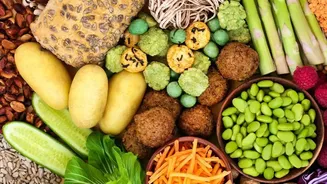
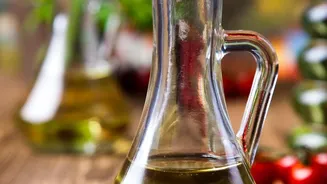
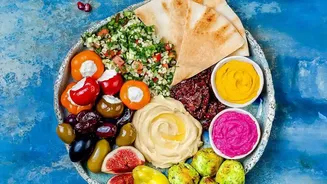
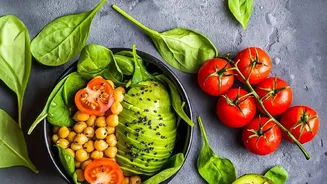
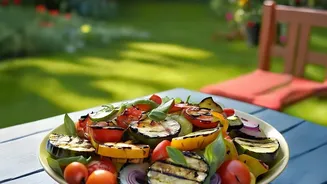
Despite the incredible diversity, there are common threads that tie these cuisines together. The foundation is a high consumption of plant-based foods: fresh vegetables, fruits, legumes, nuts, and whole grains. Olive oil is the principal source of fat for many, but not all, of these regions. Protein often comes from fish and poultry rather than red meat, which is eaten more sparingly. Another shared characteristic is the emphasis on fresh herbs and spices for flavor instead of heavy sauces. Perhaps most importantly, the Mediterranean way of eating is a lifestyle—it emphasizes sharing meals with others, mindful eating, and celebrating fresh, seasonal food.