



A Universal Craving for Comfort
There’s a reason the scent of rain makes you want something hot, crunchy, and fried. It’s a near-universal experience across the subcontinent, from a Mumbai high-rise to a village in Kerala. The sudden drop in temperature and lack of sunlight can lead
to a dip in serotonin, our mood-regulating hormone. In response, our bodies crave carbohydrates and calorie-dense foods, which trigger a quick dopamine hit—a feeling of reward and pleasure. Hot, crispy snacks like pakoras or samosas offer an immediate sense of warmth and energy, creating a satisfying contrast to the damp, cool weather outside. This craving is more than just physiological; it's a cultural ritual. The combination of chai and fried snacks has become so intertwined with the monsoon that one often triggers a desire for the other, a delicious Pavlovian response reinforced over a lifetime.
The Sizzle from the Streets
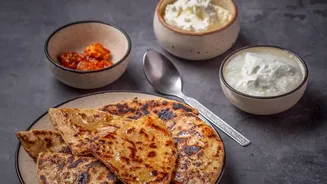
Monsoon street food is a celebration of the senses. The most iconic of these is arguably bhutta, or roasted corn on the cob. The sight of vendors fanning embers on a makeshift grill, the smoky aroma filling the air, is a hallmark of the season. Rubbed with a zesty mix of lemon juice, salt, and chili, each bite is a burst of tangy, spicy, and sweet flavours. Equally beloved are pakoras and bhajis, crispy fritters made from everything from onions and potatoes to green chilies and spinach. In North India, the chai-pakora combination is an inseparable ritual. Meanwhile, in Andhra Pradesh and Telangana, a spicier version takes hold with mirchi bajji—fiery green chili fritters that offer a welcome jolt of heat on a cool, rainy day. These street-side treats aren't just about convenience; they are about participating in a shared public experience of the season.
A Tour of Regional Kitchens
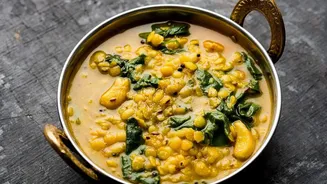
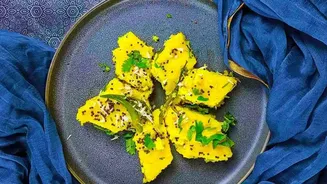
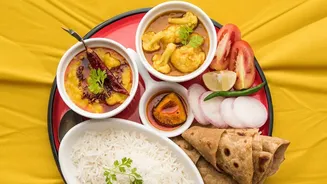
Venture into India's home kitchens, and the monsoon menu becomes even more diverse and deeply personal. In West Bengal, the rain is synonymous with a comforting bowl of khichuri, a simple dish of rice and lentils, often paired with beguni (batter-fried eggplant slices) or a prized piece of fried Hilsa fish, a seasonal delicacy. In Maharashtra, households turn to warm and savoury snacks like sabudana vada (sago pearl fritters) and pithla bhakri, a rustic chickpea flour curry. Down in Kerala, the focus shifts to nourishing and light meals. Karkidaka Kanji, a medicinal rice gruel infused with herbs, is prepared to boost immunity during a season when digestion is believed to be weaker. In Karnataka, patrode—colocasia leaves smeared with a spiced rice paste, rolled, and steamed—offers an earthy, unique taste of the season. Each dish tells a story of local agriculture and generations of culinary wisdom.
More Than Just a Meal
Ultimately, the food of the Indian monsoon is much more than sustenance. It is a vessel for memory and emotion. The taste of a perfectly crisp samosa can transport you back to college canteen days, while the aroma of a specific dal might evoke the comfort of a grandparent’s home. These dishes are prepared and shared, connecting families and strengthening community bonds. The act of huddling together, sharing a plate of hot snacks while the rain pours down outside, becomes a cherished ritual. It's a time when food provides not just warmth for the body, but also for the soul. The recipes passed down through generations are a testament to how culture is preserved on a plate, reminding us that what we eat is intrinsically linked to who we are, where we come from, and the moments we hold dear.