


The festive season arrives with a whirlwind of activity—cleaning, shopping, cooking, and socialising. Amidst the chaos, the quiet moments of connection we crave can feel just out of reach. But what if the tasks themselves were the opportunity?
Turn Preparations into a Team Sport
Festive
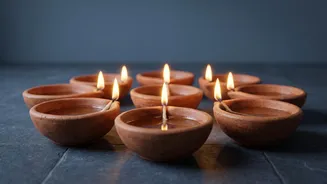
preparations, from deep cleaning the house to decorating with lights and rangoli, can feel like a long list of chores. However, reframing these tasks as collaborative activities can transform them into bonding experiences. Instead of one person shouldering the burden, involve everyone. Assigning age-appropriate tasks teaches children responsibility and teamwork. Younger kids can help with washing vegetables or arranging diyas, while older ones can assist with more complex decorations or cooking. The shared laughter while untangling fairy lights or creating a rangoli pattern together creates memories far more valuable than a perfectly curated home. These moments of shared purpose build a sense of unity and accomplishment long before the main celebrations begin.
Cook Together, Not Just for Them
The kitchen is often the heart of any festive home, bustling with the aromas of traditional delicacies. Instead of shooing everyone out, invite them in. Cooking together is a powerful way to connect. It’s a sensory experience that provides a relaxed setting for conversation and collaboration. Passing down a family recipe from one generation to the next is a beautiful way to keep traditions alive and strengthen intergenerational bonds. It allows older family members to share stories and knowledge, fostering a sense of identity and belonging in younger ones. The process of creating a meal together—from planning the menu to chopping and stirring— strengthens communication and creates a shared sense of achievement when the family sits down to enjoy the fruits of their collective labour.
Schedule a Digital Detox
In an era of constant connectivity, our devices can ironically make us feel more disconnected from the people in the same room. The festive season provides a perfect excuse to intentionally unplug. Set clear boundaries around screen time. This could be a 'no-phones-at-the-dinner-table' rule or designated 'screen-free zones' in the house. A more structured approach could involve a planned family digital detox for a few hours each day. Use this time to bring out traditional board games like Chausar or Pallanguzhi, share stories, or simply talk. Leading by example is crucial; when children see parents putting their devices away, it reinforces the value of being present. These tech-free moments encourage face-to-face interaction and deeper conversation, fostering genuine connection.
Revive Old Traditions and Create New Ones
Family traditions are the glue that holds generations together, creating a sense of stability and belonging. The festive season is an ideal time to revisit them. Look through old photo albums, retell family stories associated with festivals, or recreate a dish that grandma used to make. This not only honours the past but helps children connect with their heritage. At the same time, don't be afraid to create new rituals that reflect your family's current reality. It could be something as simple as a family game night on the eve of Diwali, volunteering together at a local charity, or taking a quirky family photo in festive wear each year. Research shows that the consistency of a ritual is more important than the activity itself; it's the shared experience that amplifies closeness and enjoyment.
Embrace the Power of Story and Play
Many Indian festivals are rooted in powerful stories of mythology and history. Use this as an opportunity for creative family fun. Narrate the stories behind the celebrations—like the return of Lord Rama for Diwali—and discuss the values they represent, such as hope and gratitude. You can take it a step further by encouraging children to perform a small role-play of the story. Another engaging activity is to learn the songs or dance forms associated with a festival, like Garba for Navratri or Bhangra for Lohri. These activities are not just entertaining; they are a vibrant way to pass on cultural knowledge, stimulate creativity, and create joyful, lasting memories for everyone involved.