





The Pollution From Within: Local Sources
A significant portion of Delhi's air quality problem is homegrown. Throughout the year, the city's air is burdened by a constant stream of pollutants from sources right within the metropolitan area. Vehicular emissions are a primary and persistent culprit,
contributing over half of the local pollution in some analyses. The sheer volume of cars, trucks, and buses on the roads releases a steady flow of particulate matter and harmful gases. Added to this is dust from widespread construction activities and unpaved roads, which gets kicked up into the air. Industrial emissions from factories operating in and around the city also play a major role. Furthermore, the open burning of waste, a common practice, releases a toxic mix of chemicals directly into the air people breathe, compounding the daily pollution load.
The Trouble from Afar: Regional Contributors
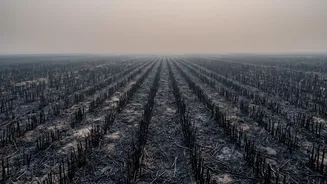
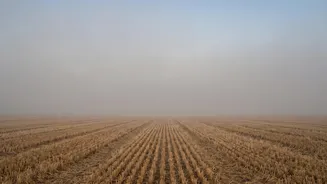
While local sources form the baseline of pollution, seasonal events outside the city's borders dramatically worsen the situation. The most significant regional factor is stubble burning in the neighbouring states of Punjab and Haryana. After the rice harvest in October and November, farmers burn the leftover crop residue, sending massive plumes of smoke into the atmosphere. Prevailing northwesterly winds during this period act as a conveyor belt, carrying this smoke directly over the Indo-Gangetic plain and dumping it into Delhi-NCR's airspace. This influx can cause the Air Quality Index (AQI) to spike to 'severe' levels, with farm fires sometimes accounting for a substantial percentage of the particulate matter on the worst days. Dust from the Thar Desert can also be transported towards the region at certain times of the year.
The Weather's Cruel Trap
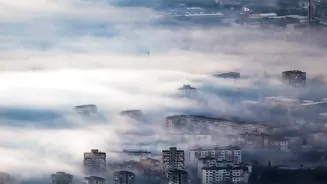
Local and regional pollution alone don't complete the picture. The region's unique geography and winter meteorology create a perfect storm for trapping pollutants. As temperatures drop post-monsoon, a phenomenon called temperature inversion occurs, where a layer of warm air sits above cooler air near the ground. This acts like a lid, preventing pollutants from dispersing vertically. Compounding this, wind speeds become very low, meaning the accumulated smog isn't blown away horizontally. Delhi is also situated in a bowl-like geographical area, flanked by the Himalayas to the north and the Aravallis to the south, which can further hinder the dispersal of polluted air. This meteorological trap is why the same amount of pollution feels so much worse in winter than in summer.
A System of Response
To combat this multi-layered crisis, authorities rely on the Graded Response Action Plan (GRAP), an emergency framework that enforces progressively stricter measures as the air quality deteriorates. Overseen by the Commission for Air Quality Management (CAQM), GRAP is divided into stages triggered by AQI levels. Stage I ('Poor' AQI) may involve actions like mechanized road sweeping, while Stage III ('Severe') can lead to a ban on non-essential construction and restrictions on older petrol and diesel vehicles. In recent years, there has been a shift towards a more proactive approach, with some measures now triggered based on forecasts rather than waiting for pollution to peak. For 2026, the GRAP framework has been tightened further, with some restrictions on buses and diesel generators starting at an earlier stage.