





The New Age of Culinary Tourism
The way travellers experience India is changing, one bite at a time. The humble street snack, once a quick and cheap thrill for locals, is now a headline attraction for tourists. This shift is driven by a growing appetite for authentic, immersive cultural
experiences. Food is no longer just sustenance; it’s a story, a direct line to a city’s history and its people. This has given rise to a new ecosystem of culinary tourism, where the vendor's stall is as much a destination as any monument. Cities are responding by organising, celebrating, and innovating their street food scenes, turning them into structured, accessible, and unforgettable adventures.
Delhi: Curated Chaos and Historic Flavours
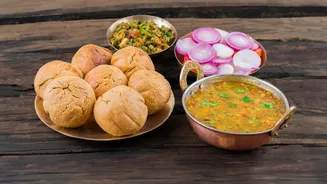
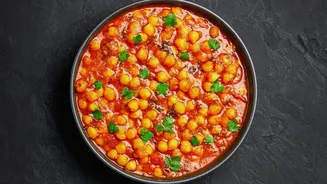
Delhi, the undisputed king of Indian street food, is elevating its offerings through curated food walks and culinary tours. Instead of navigating the bewildering maze of Chandni Chowk alone, travellers can now join guided expeditions that reveal the history behind the parathas, the secrets of the perfect chole bhature, and the artistry of the chaatwalas. These tours provide context and confidence, making the city’s legendary food culture more accessible. Meanwhile, food festivals like The Grub Fest give street food a modern, celebratory platform, placing revered vendors alongside contemporary chefs. This organised approach allows visitors to dive deep into Old Delhi's Mughlai-influenced snacks and kebabs without feeling overwhelmed.
Mumbai: From Roadside Staple to Gourmet Star
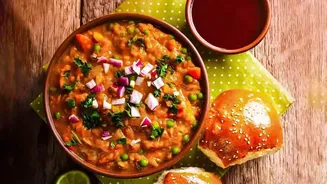
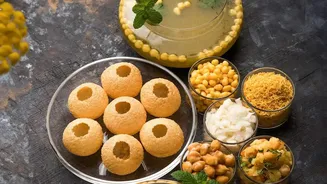
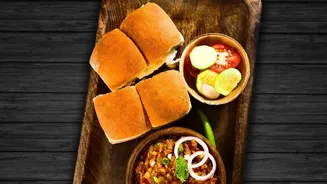
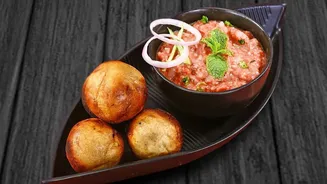
Mumbai’s relationship with street food is legendary, born from the need for quick, affordable meals for its working population. Now, that very food is being reimagined. Vada pav, the city's iconic potato fritter sandwich, is not just sold on the street but is also deconstructed in high-end restaurants. Upscale eateries across the city are paying homage to classics like pav bhaji and bhel puri, presenting them with gourmet techniques and artistic plating. This 'gourmet-ification' runs parallel to the raw, authentic energy of food hubs like Mohammed Ali Road, which remain a pilgrimage site for food lovers. The elevation here is about respect, treating street food as a cuisine worthy of innovation and reverence.
Kolkata: A Cultural and Hygienic Upgrade
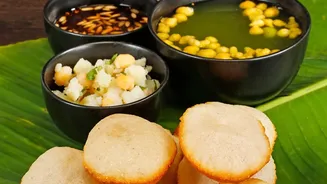
Kolkata’s street food, from the tangy phuchka to the iconic kathi roll, has always been deeply intertwined with its cultural identity. The city is elevating this experience by focusing on organisation and hygiene, a concern that has often held tourists back. Initiatives by the Food Safety and Standards Authority of India (FSSAI) to create 'Clean Street Food Hubs' are a game-changer. These hubs cluster vendors together, providing training and infrastructure to ensure high standards of cleanliness and food safety. This not only builds consumer trust but also preserves the city’s rich culinary heritage by making it safer and more appealing to both domestic and international visitors.
Bengaluru: Tech City's Organised Food Streets
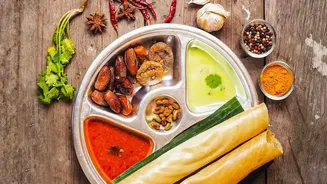
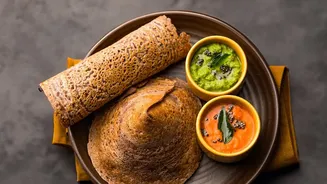
In Bengaluru, a city known for its tech-savvy population, the street food experience is becoming more organised and consolidated. The rise of dedicated 'food streets' like those in V.V. Puram and Malleswaram provides a one-stop-shop for culinary exploration. These bustling lanes bring together dozens of vendors in a single area, creating a festival-like atmosphere every evening. Here, you can sample everything from classic South Indian staples like benne dosa and paddu to innovative new snacks. The experience is further streamlined by the digital economy, with many vendors adopting UPI payments and appearing on delivery apps, blending traditional flavours with modern convenience.