





A New Leader in the Skies
For years, the title of the world's busiest international airport was a contest primarily between hubs like Dubai and London. However, preliminary data for the first half of 2026 from Airports Council International (ACI) reveals a new frontrunner. Incheon
handled approximately 38.4 million international passengers in the first six months of the year, edging out London's Heathrow, which saw around 37.8 million. This achievement is a first for the South Korean airport since it opened in 2001 and represents a significant leap from its rankings in previous years, where it was not even in the top ten for international traffic.
The Geopolitical Tailwind
Incheon's sudden ascent is not just a story of its own success, but also one of shifting global dynamics. Recent geopolitical tensions in the Middle East have disrupted established flight paths, causing a notable decline in passenger traffic through hubs like Dubai International Airport. According to reports, traffic that would have traditionally connected through the Middle East on routes between Europe and Asia has been rerouted. This has directly benefited Incheon, which saw a surge in transfer passengers. The number of passengers arriving from Europe to catch connecting flights at Incheon, for example, increased by nearly two-thirds in the first half of 2026.
A Decades-Long Strategy Pays Off
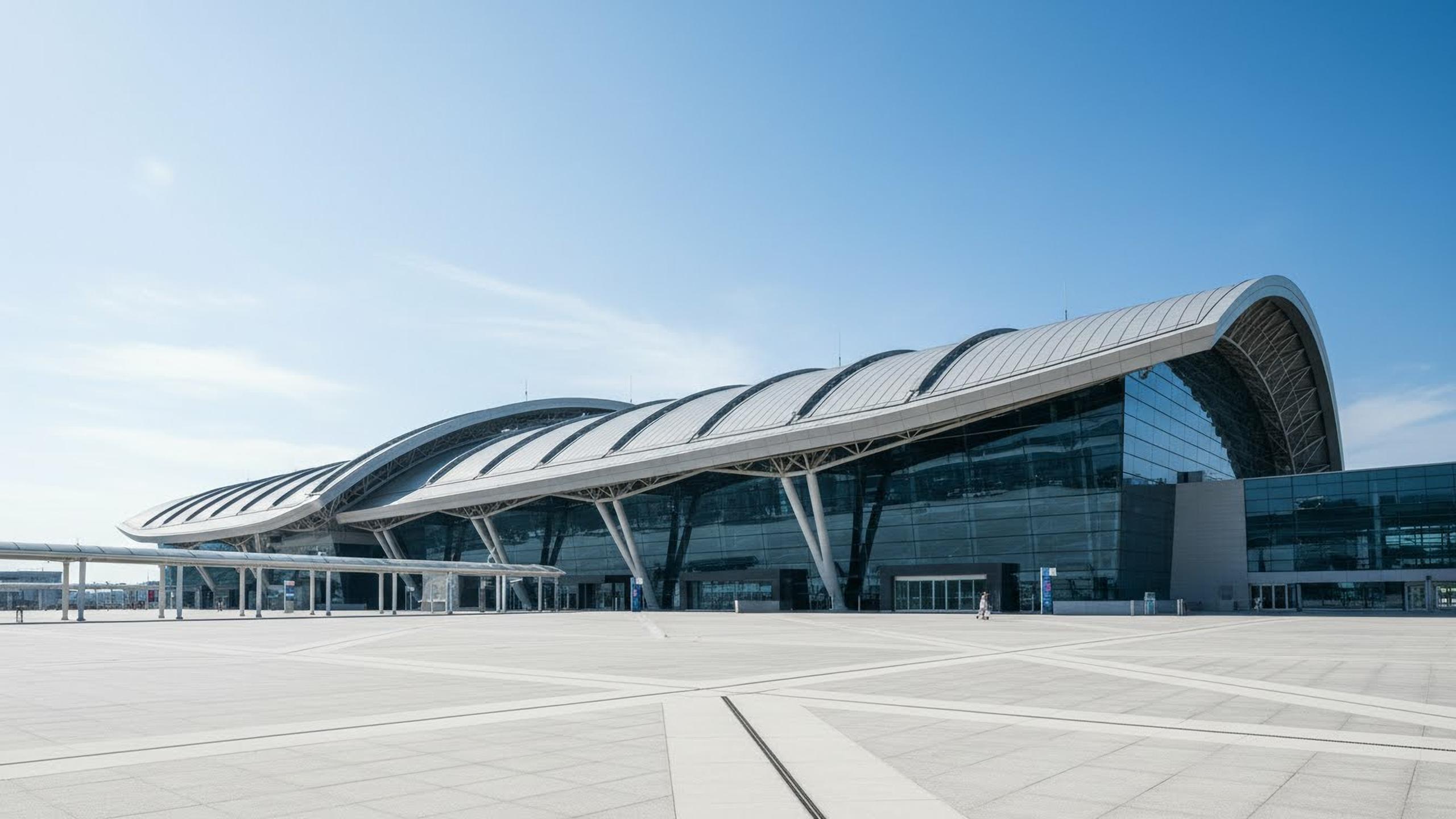
While external factors provided a significant boost, Incheon's rise was built on a foundation of long-term strategic planning. Opened on reclaimed land after eight years of construction, the airport was designed from day one to be a premier transit hub for Northeast Asia. It has undergone four major phases of expansion, with the most recent completion in late 2024 boosting its annual capacity to 106 million passengers, the third-largest in the world. With 101 airlines connecting 183 cities, it boasts a more extensive international network than regional rivals in Hong Kong, Shanghai, and Tokyo. This massive infrastructure investment ensured Incheon was ready to handle the redirected flow of global travelers.
More Than Just an Airport
Beyond sheer size, Incheon has cultivated a reputation for world-class service and passenger experience, consistently winning awards from ACI for service quality. The airport has positioned itself as a destination in its own right, offering amenities aimed at transit passengers such as free city tours, sleeping zones, shower facilities, and even a museum dedicated to Korean culture. This focus on a seamless and enjoyable passenger journey has been amplified by the global rise of Hallyu, or the Korean Wave. A growing influx of tourists drawn by South Korea's pop culture has also fueled passenger numbers, with foreign travelers making up a record-high percentage of arrivals in 2026.
The Future of Global Hubs
Incheon's new status, even if based on preliminary half-year data, signals a potential realignment of global aviation. For over a decade, Dubai dominated the international travel scene, leveraging its strategic location between East and West. Now, Incheon's success demonstrates the growing importance of the Asia-Pacific region and highlights how quickly geopolitical events can reshape established travel patterns. As airlines and passengers adapt to a changing world, the competition to be the world's central crossroads is intensifying, with Incheon now firmly positioned as a leading contender for the future.