



Goodbye to the Blank Canvas
For years, the quintessential Indian rental apartment was a study in caution. Landlords preferred stark white or beige walls, and tenants, conscious of their temporary status, hesitated to make any personal mark. The result was a landscape of functional
but soulless spaces, where oversized furniture sat awkwardly and harsh tube lights cast a clinical glow. Many renters lived in a state of perpetual pause, waiting for a 'forever home' before they could truly start living. This minimalist-by-default approach prioritised practicality over personality, leading to homes that felt disconnected and impersonal.
The Rise of the Personal Sanctuary
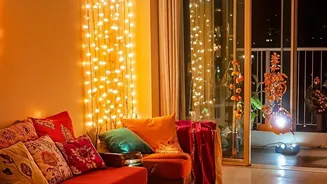
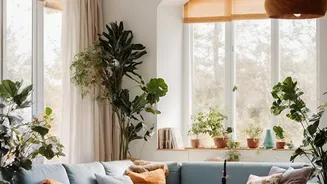
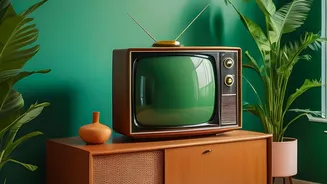
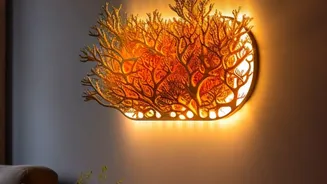
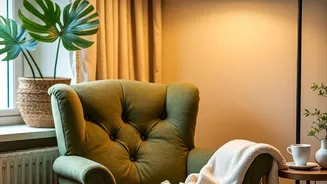
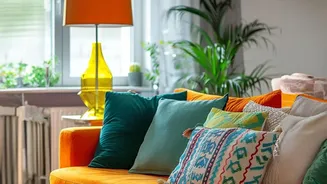
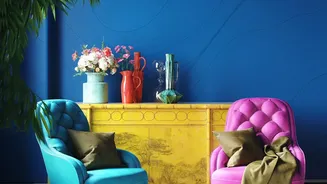
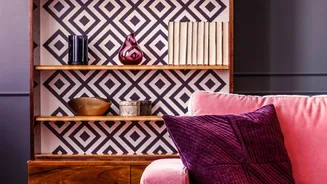
A quiet rebellion is underway. Renters today are increasingly rejecting the sterile 'white box' in favour of something far more expressive and layered. This new aesthetic is less about a single style and more about a feeling: curated, collected, and deeply personal. It's found in the 'dopamine decor' trend, which uses mood-boosting colours and playful design, and in the revival of 'maximalism,' which celebrates an abundance of textures, patterns, and meaningful objects. Think gallery walls with a mix of art and family photos, vibrant textiles like hand-woven rugs and block-printed cushions, and the warm glow of layered lighting from floor and table lamps. The goal is no longer to be unobtrusive; it’s to create a sanctuary that tells a story.
A Post-Pandemic Reckoning
The global pandemic was a significant catalyst for this change. Confined to their homes, people were forced to confront the limitations of their living spaces. When your apartment suddenly has to function as an office, gym, and social hub, its emotional and functional quality becomes paramount. This extended period at home accelerated a desire for comfort and self-expression, turning residences into crucial sanctuaries. The shift was from seeing home as a temporary pitstop to viewing it as the central stage for life. This mindset change gave renters the permission they needed to invest time and energy into making their rented space feel truly their own.
The New Generation of Renters
This trend is also being powerfully driven by Millennial and Gen Z tenants, who bring a different set of priorities to the rental market. For this generation, self-expression is not a luxury but a necessity, and their homes are a key canvas for their identity. Influenced by social media and a global design consciousness, they are adept at finding renter-friendly solutions like removable wallpaper, statement textiles, and modular furniture. They are also leading the charge in embracing trends like 'Grandmillennial' style—a modern take on nostalgic, 'granny-chic' decor—and incorporating traditional Indian craftsmanship and heirlooms alongside contemporary pieces. It’s a move away from fast furniture and toward meaningful, curated collections that reflect personal history and taste.
An Inherently Indian Approach
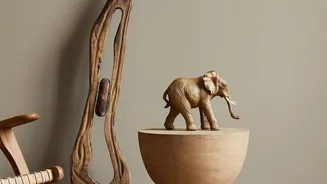
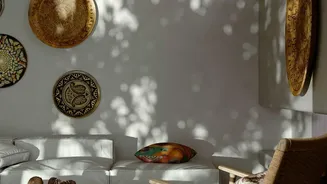
While minimalism has had its moment, many designers argue that maximalism is India's natural design instinct. Our culture is rich with complexity—from the layers of spices in our food to the vibrant colours of our festivals and the intricate details in our textiles and architecture. This new interior trend can be seen as a homecoming, a rediscovery of our own aesthetic heritage. It's about embracing colour, from earthy terracottas and warm ochres to rich jewel tones. It is also a celebration of Indian craftsmanship, with a renewed interest in handmade pottery, hand-carved wood, and artisanal brass work that add warmth and a unique story to a home.