




The High Cost of Wasted Food
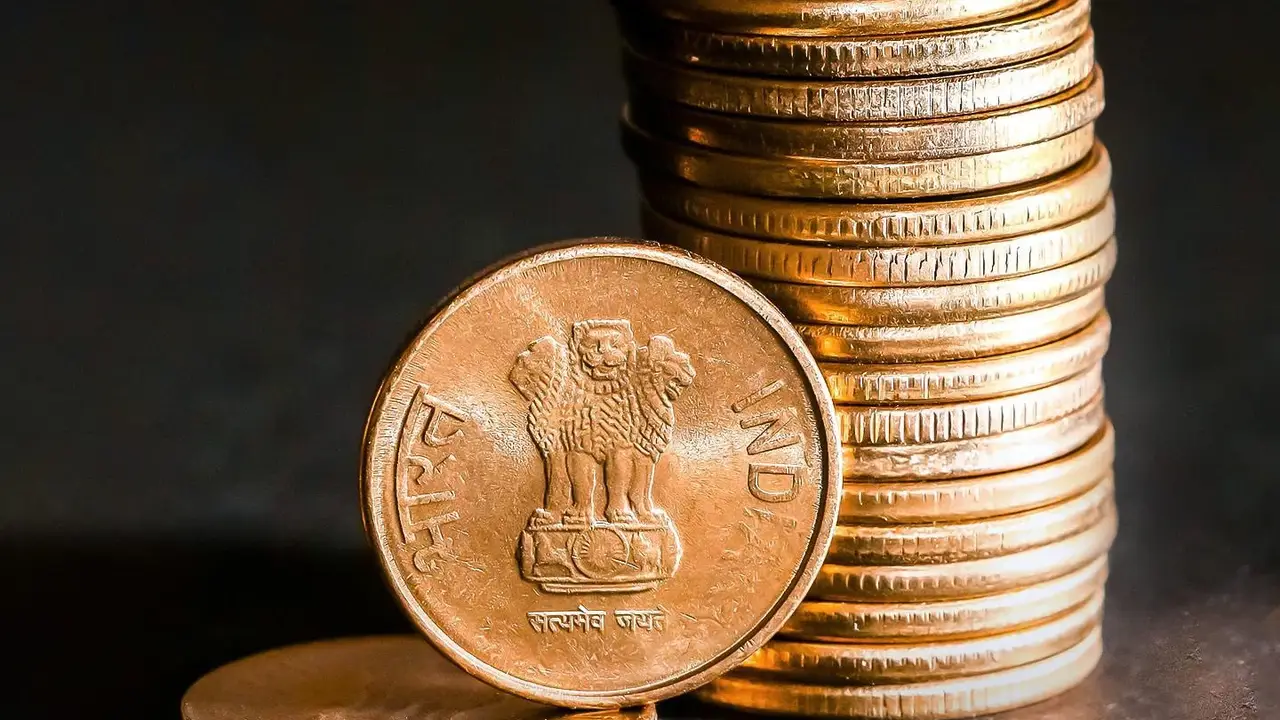
Food waste is a significant issue in India, both economically and environmentally. According to United Nations reports, India is the world's second-largest contributor to food waste, discarding around 78 million tonnes annually. Shockingly, about 61%
of this comes directly from households. The average Indian household is estimated to throw away around 55 kg of food per person each year. This waste has a steep financial cost, estimated to be worth thousands of crores annually. When food ends up in landfills, it decomposes and releases methane, a greenhouse gas far more potent than carbon dioxide, contributing significantly to climate change.
Plan Your Meals, Plan Your Savings
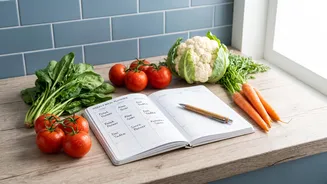
The most effective strategy to combat food waste begins before you even step into a store. Meal planning is your first line of defence. Take a few minutes each week to decide what you'll eat for your main meals. Check your pantry, fridge, and freezer first to see what you already have. From there, create a detailed shopping list and, most importantly, stick to it. This simple habit prevents impulse buys and the purchase of items you don't have a clear plan for. Shopping with a list ensures you only buy what you need, immediately reducing the chances of fresh produce languishing unused.
Mastering Food Storage
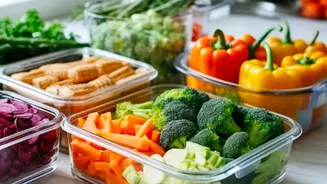
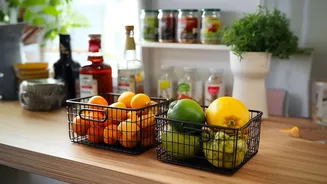
Proper storage can dramatically extend the life of your perishable groceries. A common mistake is storing all fruits and vegetables the same way. Many fruits, like apples and bananas, release ethylene gas, which can cause nearby vegetables to ripen and spoil faster. It is best to store them separately. Leafy greens, for instance, last longer when washed, dried thoroughly, and stored in an airtight container, perhaps with a paper towel to absorb excess moisture. Root vegetables like carrots and beets should have their green tops removed, as the leaves draw moisture from the root, causing them to wilt faster. Many fruits like avocados and peaches should be ripened on the counter and then moved to the fridge to prolong their freshness.
Rethink Your Refrigerator Layout
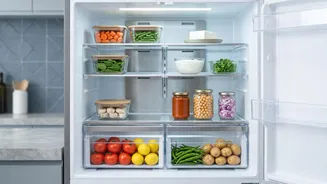
Organizing your refrigerator strategically can make a real difference. A 'first-in, first-out' (FIFO) system is highly effective. When you buy new items, move the older ones to the front so you remember to use them first. Designate clear zones: keep ready-to-eat foods on the top shelf, dairy and eggs in the middle, and raw meats on the bottom shelf to prevent cross-contamination. A well-organized fridge allows you to see everything you have at a glance, making it less likely for items to get lost in the back and spoil.
Get Creative with Leftovers and Scraps
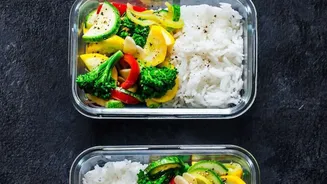
Embracing a 'waste-not' mindset in the kitchen can be both fun and frugal. Don't throw away vegetable peels and ends from onions, carrots, and celery; instead, save them in a bag in the freezer. Once you have enough, you can simmer them in water to create a flavourful homemade vegetable stock. Overripe fruits that are too soft to eat fresh are perfect for blending into smoothies or baking into muffins. Stale bread can be turned into croutons or breadcrumbs. Thinking of food scraps not as waste but as ingredients for another meal is a powerful shift that protects your budget and the environment.