

Pav Bhaji (Maharashtra)
Arguably India’s most famous mashed dish, Pav Bhaji is a Mumbai street food legend. It consists of a flavourful medley of vegetables—potatoes, tomatoes, peas, and bell peppers—boiled, mashed, and simmered into a thick, spicy curry known as 'bhaji'. This
creation was born in the 1850s as a quick, hearty lunch for textile mill workers. The bhaji is cooked on a large flat griddle (tawa), often with generous amounts of butter, and served with soft, buttered bread rolls called 'pav'. Topped with a dollop of butter, chopped onions, and a squeeze of lime, it’s a messy, indulgent, and deeply satisfying meal.
Baingan Bharta (Punjab)
Hailing from the northern state of Punjab, Baingan Bharta transforms the humble eggplant into a smoky, flavour-packed delicacy. The process involves fire-roasting a whole eggplant until its skin is charred and the inside is tender. This imparts a signature smoky flavour that is the hallmark of the dish. The cooked flesh is then peeled, mashed, and sautéed with a mix of aromatics like onions, garlic, ginger, tomatoes, and a blend of spices. The result is a rustic, comforting mash that pairs perfectly with flatbreads like roti or paratha.
Litti Chokha (Bihar)
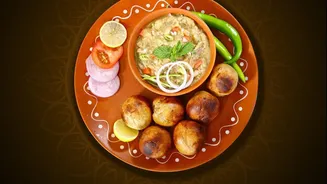
While Litti gets most of the attention, its essential partner, Chokha, is the true mash component of this iconic Bihari meal. Chokha is a rustic relish made from fire-roasted vegetables. The most common versions feature roasted and mashed eggplant (baingan), potatoes (aloo), or tomatoes (tamatar), often combined. These are mashed with raw garlic, green chillies, onions, and a pungent drizzle of mustard oil, which gives the dish its sharp, distinctive character. Served alongside baked whole-wheat dough balls (litti), Chokha offers an earthy, smoky counterpoint.
Aloo Pitika (Assam)
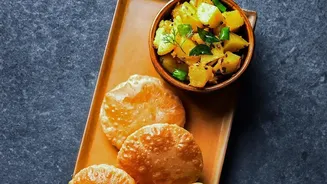
From the northeastern state of Assam comes Aloo Pitika, a deceptively simple yet incredibly flavourful potato mash. It is Assamese comfort food at its finest. The dish consists of boiled potatoes mashed to a smooth consistency and mixed with finely chopped raw onions, green chillies, and fresh coriander. The ingredient that makes it uniquely Assamese is the generous addition of raw mustard oil, which lends a sharp, pungent kick that defines its taste. It's a soulful side dish often served with plain rice and dal.
Haleem (Hyderabad)
Hyderabadi Haleem is a rich, slow-cooked stew with Arabic origins that has become a celebrated dish, especially during Ramadan. It is a thick, porridge-like paste made from meat (usually mutton or chicken), pounded wheat, lentils, and spices, cooked for hours until the ingredients break down completely. The lengthy cooking process, traditionally done over a low flame for up to 12 hours, results in a uniquely smooth and sticky consistency. This high-calorie, nutrient-dense dish was granted Geographical Indication (GI) status in 2010, the first non-vegetarian dish in India to receive it.
Bisi Bele Bath (Karnataka)
Literally translating to "hot lentil rice dish" in Kannada, Bisi Bele Bath is a one-pot wonder from Karnataka. It’s a wholesome meal where rice, toor dal (pigeon peas), and a variety of vegetables are cooked together until soft and mushy. What sets it apart is a special, aromatic spice powder called Bisi Bele Bath powder, combined with the tang of tamarind. The dish is finished with a tempering of ghee, mustard seeds, and curry leaves, and is typically served piping hot, often with crispy boondi or potato chips on the side.
Dal Makhani (Punjab)
Another gem from Punjab, Dal Makhani is a rich and creamy lentil dish that achieves its mashed texture through slow cooking. It is made primarily with whole black lentils (urad dal) and kidney beans (rajma), which are simmered for hours, often overnight. This long cooking process breaks the lentils down into a thick, velvety consistency. The dish is enriched with butter (makhan), cream, and a tomato-based gravy, giving it its famously indulgent character. Its luxurious texture makes it a staple at celebrations and a favourite in restaurants worldwide.
Ven Pongal (Tamil Nadu)
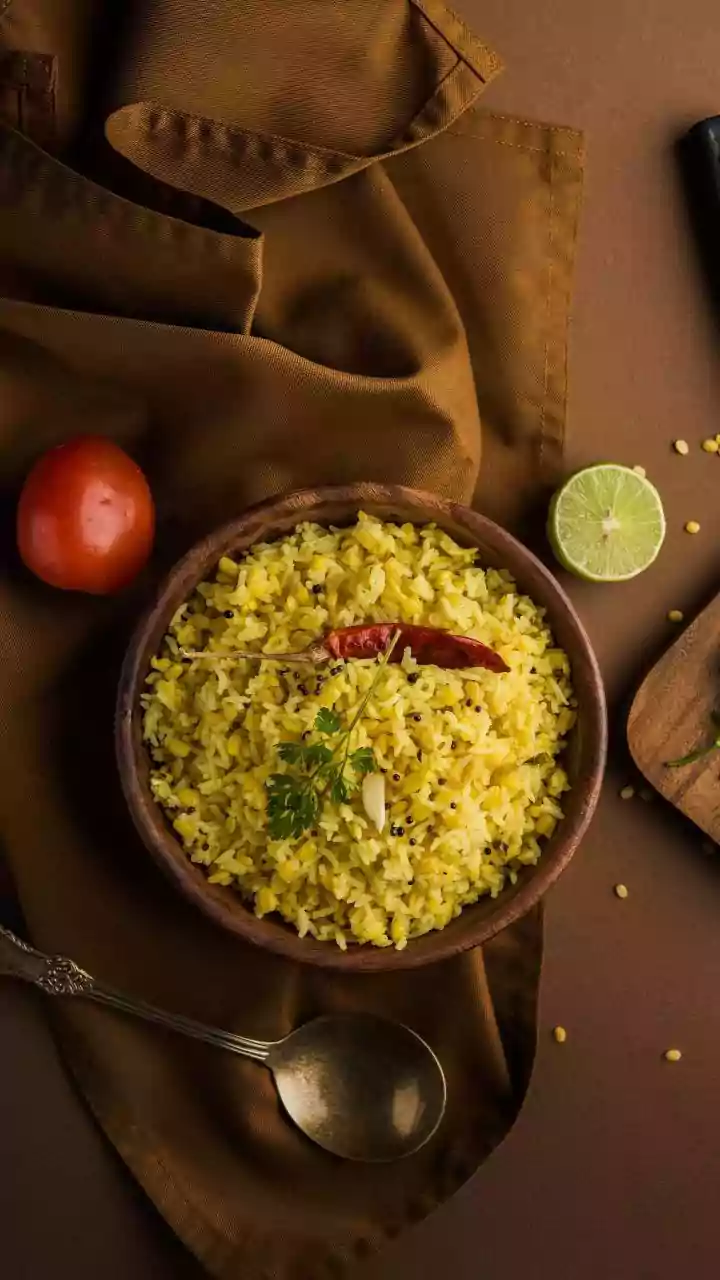
Ven Pongal, or Khara Pongal, is a classic savory breakfast dish from Tamil Nadu. It's a comforting mash of raw rice and yellow moong dal, cooked together with plenty of water until they form a soft, creamy, porridge-like consistency. The dish is seasoned with a tempering of ghee, whole black peppercorns, cumin seeds, and ginger. The generous use of ghee gives it a rich aroma and flavour, while the peppercorns provide a mild, warming spice. It’s often garnished with cashews and served with coconut chutney and sambar.
Pithla (Maharashtra)
A rustic and humble dish from Maharashtra, Pithla is a quick-to-make curry with a paste-like texture. It is made from a batter of gram flour (besan) and water, which is cooked with onions, green chillies, ginger, and garlic until it thickens into a semi-solid mash. Originating from the state's dry regions where fresh vegetables were often scarce, this protein-rich dish provided essential nutrition. It's a comforting and flavourful preparation traditionally served with Bhakri (a type of flatbread made from jowar or bajra) or plain rice.
Mirchi ka Thecha (Rajasthan/Maharashtra)
Not a main course but a fiery condiment, Thecha is a coarse mash that packs a powerful punch. Popular in both Rajasthan and Maharashtra, it's a simple preparation of green chillies and garlic pounded together, traditionally using a mortar and pestle. Sometimes, peanuts or cumin seeds are added for extra texture and flavour. The mixture is often briefly sautéed in oil. This spicy mash serves as an accompaniment to meals, adding a burst of heat and flavour to every bite, and is typically eaten with bhakri or roti.