





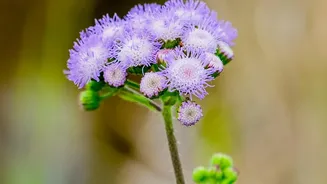
A Once-in-a-Dozen-Years Spectacle
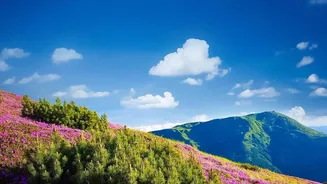
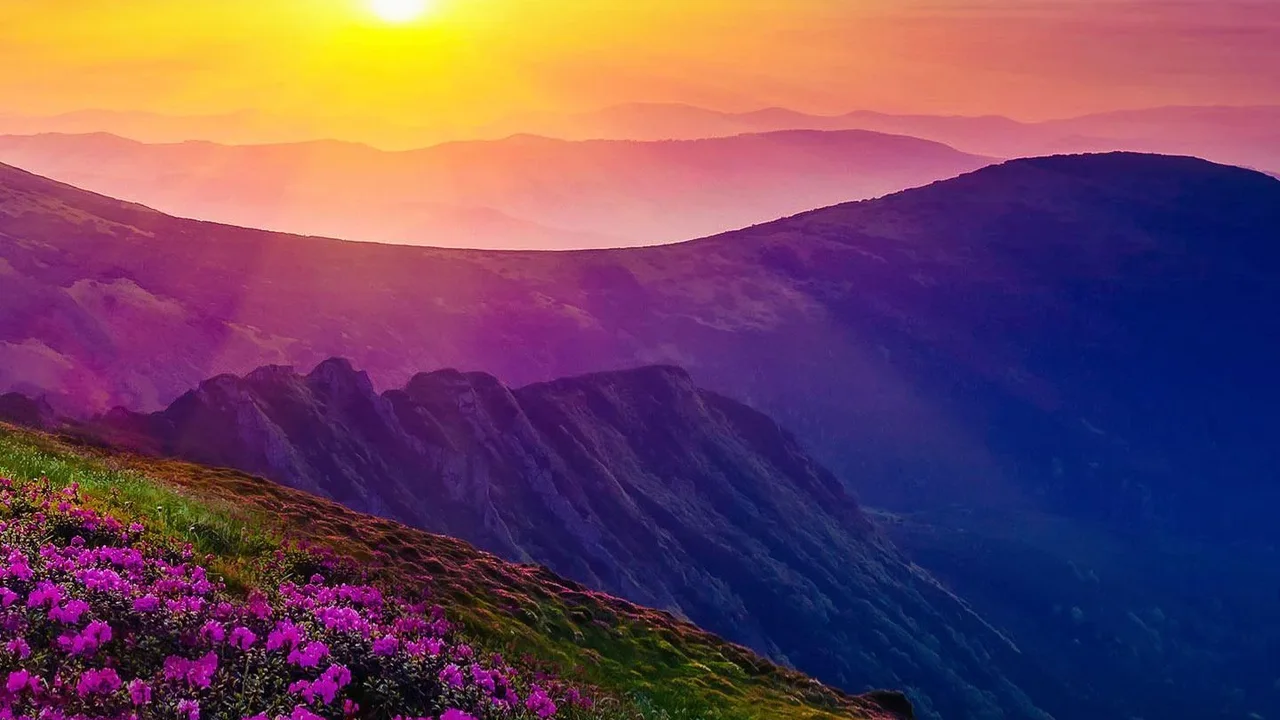
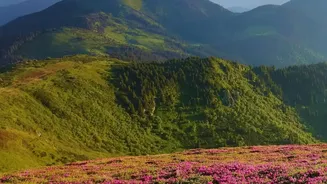
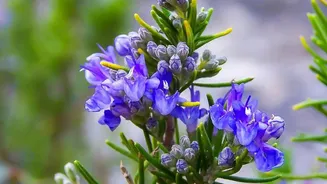
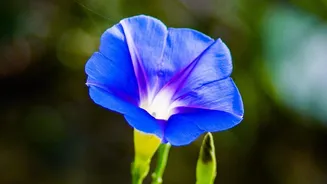
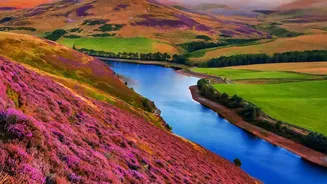
Imagine entire hillsides draped in a vibrant blanket of purple-blue flowers, stretching as far as the eye can see. This is not a dream, but the reality in parts of Munnar, Kerala, during the 2026 blooming season of the Neelakurinji. This natural phenomenon,
scientifically known as Strobilanthes kunthiana, is famous for its gregarious flowering cycle. The plants bloom en masse, reproduce by seed, and then die, with the next generation taking another 12 years to mature and repeat the cycle. The current bloom is concentrated in specific areas like the Chokramudi hills and the region around Mattupetty and Korandakadu, which last saw this event in 2014. The flowering season, which began in August, is expected to reach its peak in September and October, drawing thousands of nature lovers, photographers, and tourists to witness the ephemeral beauty.
The Science of the Blue Flower
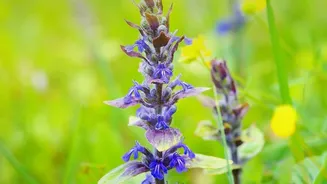
What makes the Neelakurinji so special is its rigidly timed life cycle, a botanical marvel known as mass seeding or masting. The plant is a plietesial, a term for species that flower at long intervals. While there are over 250 species of Strobilanthes, with flowering cycles ranging from one to 16 years, the 12-year cycle of Strobilanthes kunthiana is the most famous. It grows in the shola grasslands of the Western Ghats at altitudes between 1,300 and 2,400 metres. The name itself is a giveaway: 'Neela' means blue and 'Kurinji' is the local name for the flower. It is this very flower that gives the Nilgiri Mountains, or 'Blue Mountains', their name.
An Ecological and Cultural Keystone
Beyond its visual appeal, the Neelakurinji bloom is a vital ecological event. The mass flowering provides a sudden, abundant source of nectar for pollinators, especially bees and butterflies, playing a crucial role in the local ecosystem. The honey produced during this period is said to be of a special quality. Culturally, the flower is deeply significant. For the local Paliyan and Muthuvan tribes, the blooming cycle served as a natural calendar to calculate their age. The flower is even mentioned in ancient Tamil Sangam literature, where 'Kurinji' refers to the mountainous landscape it inhabts, tying the plant to the region's cultural heritage for centuries.
Planning Your 2026 Visit
It's important for visitors to know that different populations of Neelakurinji in the Western Ghats follow different blooming schedules. The famous bloom at Eravikulam National Park, which occurred in 2018, is not the one happening in 2026; its next flowering is expected around 2030. For the 2026 season, the main viewing areas are Chokramudi and the hills around Mattupetty and Korandakadu. The Kurinji Garden at Chokramudi was officially opened to visitors on August 24, 2026, with entry fees and specific timings to manage the influx of tourists. Given the expected rush, it is wise to book accommodation and transport well in advance. The nearest major town is Munnar, accessible by road, with the closest railway station at Aluva, approximately 110-120 km away.
A Guide to Responsible Tourism
The Neelakurinji grows in a fragile, high-altitude ecosystem, and its habitat is under threat. The plant is now listed as a 'Vulnerable' species on the IUCN Red List. Therefore, being a responsible tourist is paramount. Authorities have implemented strict rules to protect the flowers. Visitors are forbidden from plucking the flowers or damaging the plants, with significant fines and even imprisonment as penalties. These plants are crucial for preventing soil erosion and will not grow if replanted elsewhere. Furthermore, the entire flowering area is a strict no-plastic zone, part of Munnar's broader initiative as a responsible tourism destination. Visitors are urged to stay on designated paths, carry reusable water bottles, and leave no trace behind.