

What Is a Greatest Evening Elongation?
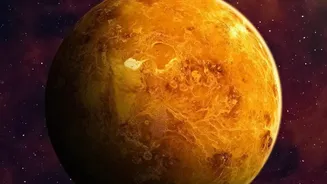
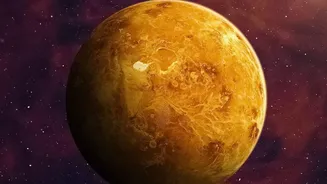
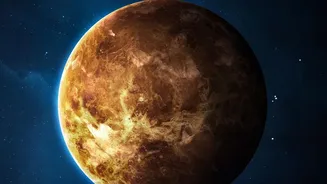
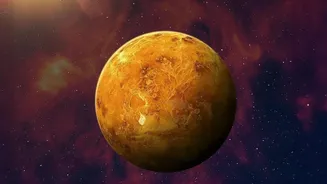
In simple terms, a greatest evening elongation is the moment when Venus appears farthest from the Sun in our sky during its phase as an “evening star”. Because Venus orbits the Sun inside of Earth’s own orbit, it’s always tethered to the Sun from our perspective.
We only ever see it for a few hours after sunset or before sunrise. An elongation is the angular separation between the Sun and the planet. On August 15, 2026, Venus will reach its maximum possible separation, an angle of 46 degrees, from the Sun. This means it will hang higher in the twilight sky and for longer after the Sun goes down, making it exceptionally easy to spot. This event happens roughly every 19 months for Venus, marking the peak of its visibility as an evening star before it begins to swing back toward the Sun’s glare.
The Celestial Dance of Earth and Venus
Imagine two runners on a circular track. Earth is on an outer lane, and Venus is on a faster, inner lane. As Venus orbits the Sun, there are times it is on the far side of the Sun from us (called a superior conjunction) and times it passes between us and the Sun (an inferior conjunction). Greatest elongation happens when our line of sight to Venus forms a tangent with its orbit. From our viewpoint, this is the farthest it can possibly get from the Sun in the sky. When it's to the east of the Sun, it follows the Sun down the western sky after sunset, earning its famous “evening star” nickname. Conversely, when it’s at its greatest western elongation, it rises before the Sun in the east, becoming the “morning star.” The August 15 event is a greatest eastern elongation, placing Venus perfectly for evening viewing.
Why This August 15 Event Is Special
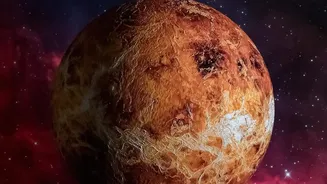
While greatest elongations are a regular part of Venus’s cycle, the one on August 15, 2026, is a prime viewing opportunity. Around this date, Venus will be shining at a brilliant magnitude of -4.4, making it the brightest object in the sky besides the Sun and the Moon. Its brightness will be so intense that you’ll be able to see it in the bright twilight even before the sky is fully dark. If you have a telescope, the view will be particularly interesting. Around its greatest elongation, Venus appears about half-illuminated, looking like a tiny, brilliant quarter moon. This specific event is part of a busy month for skywatchers, occurring near the peak of the Perseid meteor shower and a total solar eclipse visible elsewhere in the world.
How to See the 'Evening Star'
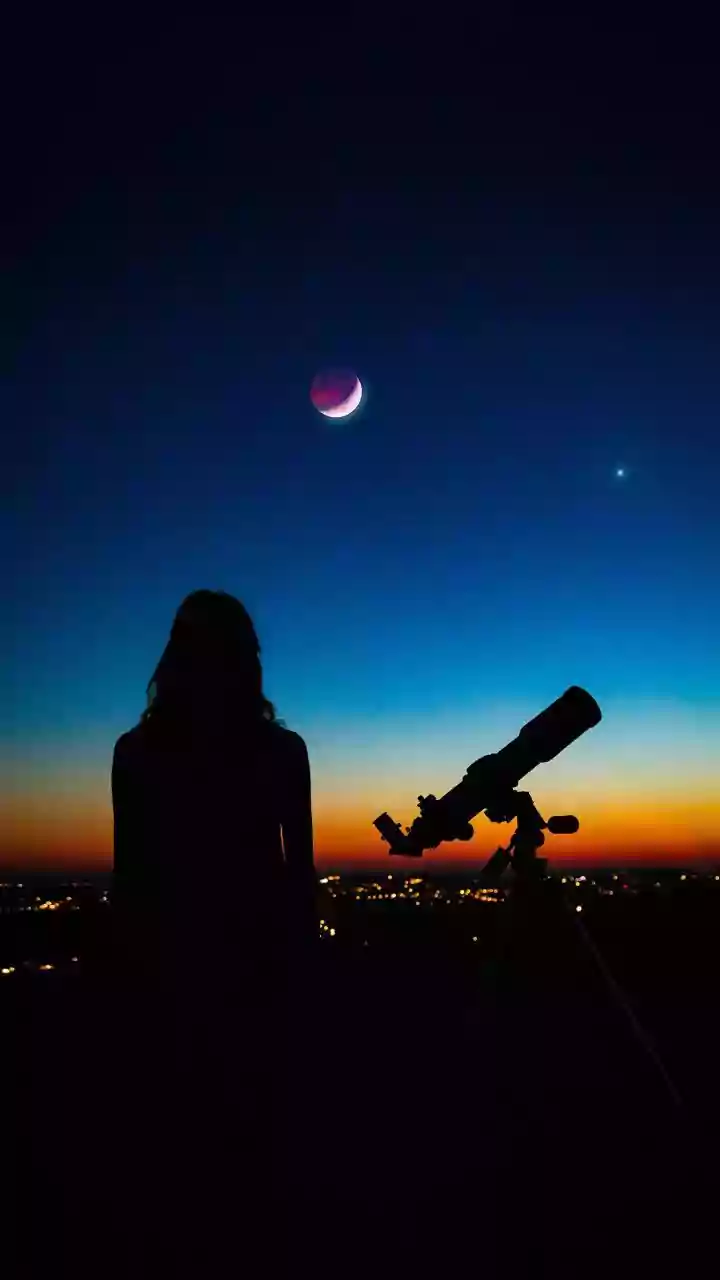
Spotting Venus this August couldn't be simpler. Just look toward the western sky shortly after the sun has set. You don't need any special equipment; its dazzling light is impossible to mistake for a star, as it doesn't twinkle in the same way. For the best view, find a location with a clear, unobstructed view of the western horizon. Throughout August, Venus will be visible for a few hours after sunset, setting around 10 p.m. by the end of the month. On the evening of August 16, the crescent Moon will appear close to Venus, offering a particularly beautiful pairing in the sky. While the peak elongation is on August 15, the planet will remain a spectacular sight in the evening sky for weeks, remaining visible through October before it starts its journey back toward the sun.