





The return of Luiz Inácio Lula da Silva to Brazil's presidency is more than a domestic political event; it's a significant moment for international relations, spotlighting a coordinated push for a new global order by the Global South.
What is the Global South?
The term 'Global
South' is not just about geography. It represents a coalition of developing countries, primarily in Africa, Asia, and Latin America, united by shared histories of colonialism and a collective ambition for a more equitable role in world affairs. These nations are increasingly coordinating through forums like BRICS and the G77 to advocate for their common interests. Their agenda includes everything from economic development and access to capital to climate justice and having a more powerful voice in institutions like the United Nations.
Lula's Vision: A Multipolar World
A central pillar of President Lula's foreign policy is the pursuit of 'multipolarity'—a world not dominated by one or two superpowers. Since his first terms in office, he has championed multilateralism and advocated for significant reforms of global governance structures. This includes a persistent call to expand the UN Security Council to include permanent members from Africa and Latin America and to reform or eliminate the veto power held by the five current permanent members, which he sees as outdated and obstructive. This stance positions Brazil as a key counterweight to traditional power centers and a leading voice for nations that feel marginalized by the current system.
Climate and Economic Justice
For the Global South, climate action is inseparable from development and justice. These nations argue that developed countries, which are historically responsible for the majority of emissions, must take the lead in decarbonization and provide substantial financial support for developing countries to adapt. The goal is a 'just transition' that allows emerging economies to grow and reduce poverty without bearing the unfair costs of a crisis they did not create. Lula's government aligns with this view, rejecting frameworks that could transfer environmental costs to the Global South under the guise of 'green growth'.
The India-Brazil Strategic Axis
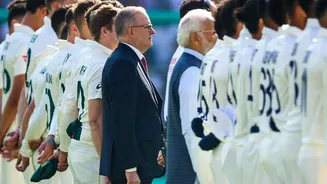
The alignment between Brazil and India has become a cornerstone of the Global South's momentum. Prime Minister Narendra Modi and President Lula have expressed a shared desire to deepen their strategic partnership, with bilateral trade growing significantly. Beyond trade, their collaboration is visible in forums like BRICS, where both nations push for UN reform and a greater say for developing economies. A state visit by Lula to India in February 2026 underscored this deepening bond, with agreements on cooperation in critical minerals, digital infrastructure, and artificial intelligence governance. Both leaders advocate for advancing the shared priorities of the Global South to build a more inclusive and equitable world.
South-South Cooperation in Action
Under Lula, Brazil has reinvigorated its commitment to South-South cooperation, particularly through BRICS. His policy is built on strengthening ties with other Global South nations to create alternative channels for trade and finance, reducing dependency on the US dollar and Westernled institutions. This includes promoting trade in local currencies with partners like India and expanding investment from countries like China, not just in raw materials but in technology and infrastructure. This strategy aims to build economic resilience and give Brazil and its partners greater autonomy in a competitive global landscape.