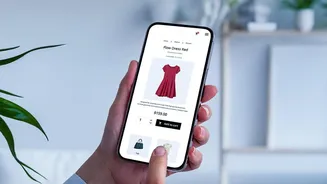








Mind the Holiday Return Window
Many shoppers assume holiday return windows are always more generous, but that's not a given. While major retailers often extend their deadlines, allowing items bought in November or December to be returned until late January, this is a courtesy, not a rule.
Some smaller boutiques or online sellers may shorten their windows or have stricter conditions for sale items. The clock might start from the date of purchase, not when a gift is given. Before buying, find the policy and look for specific holiday language. A typical extension allows returns until January 15th or 31st for purchases made within a set period, like November 1st to December 31st. But don't just guess; verify the exact dates to avoid missing a crucial deadline.
The Meaning of 'Final Sale'
These two words are the most important in any return policy: Final Sale. It means exactly what it says: the item cannot be returned or exchanged for any reason, including fit, color, or simply changing your mind. Retailers use final sales to clear out seasonal or discontinued inventory and are not obligated to take the item back unless it is genuinely defective. Be especially wary of this during major clearance events where deep discounts can be tempting. If you're unsure about the size or style of a final sale item, the safest move is to walk away. The initial savings are not worth being stuck with something you'll never wear.
Beware Hidden Restocking Fees
Even when a return is allowed, it might not be free. Some retailers charge a restocking fee, which is a percentage of the item's price deducted from your refund. This fee covers the retailer's cost of inspecting, repackaging, and processing the returned merchandise, which can no longer be sold as brand new. These fees are common for items that have been opened, like electronics, but can also apply to clothing. A store's policy must clearly disclose if restocking fees are charged. A 15% to 25% fee on an expensive coat can quickly erase any discount you received, so it's a critical detail to check before purchasing.
Online vs. In-Store Policies
Don't assume that a brand's online return policy is identical to its in-store policy. They can be surprisingly different. Many retailers that offer free returns for items brought back to a physical store may charge a shipping or processing fee for mail-in returns. This is because online returns involve more complex logistics for the company. It's also increasingly common for online-exclusive items or web-only deals to have their own separate return rules. If you buy online with the intention of possibly returning it to a local storefront, confirm that this is allowed. A quick check of the FAQ page can save you the cost and hassle of an unexpected trip to the post office.
Keep All Packaging and Receipts
Your chances of a successful return plummet without two key things: the original receipt and the original packaging. For gift-giving, always ask for a gift receipt, which allows the recipient to make a return or exchange without seeing the price. Without any receipt, many stores will only offer a store credit for the item's lowest recent sale price, which could be significantly less than what was paid. Furthermore, most policies require items to be in their original, sellable condition. For fashion, that means all tags must still be attached and the item unworn. Returning a dress without its tags or shoes without their original box can be grounds for a denied return, even if you have the receipt.