

A Tradition Steeped in Gold
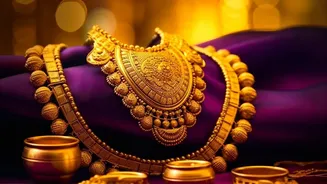
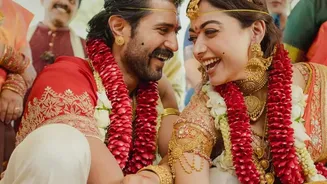
In India, a wedding is not just a union of two people; it is a momentous cultural and financial event where gold plays an indispensable role. For centuries, gold has symbolized purity, prosperity, and divine blessings from Goddess Lakshmi. It is considered
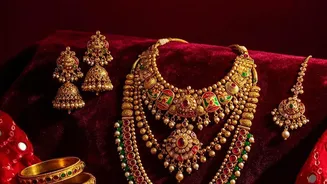
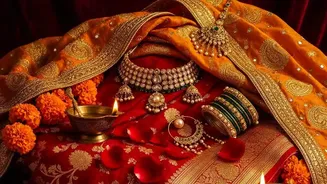
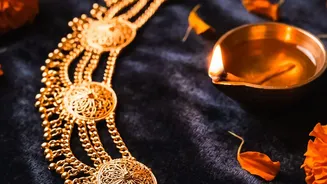
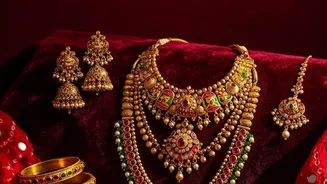
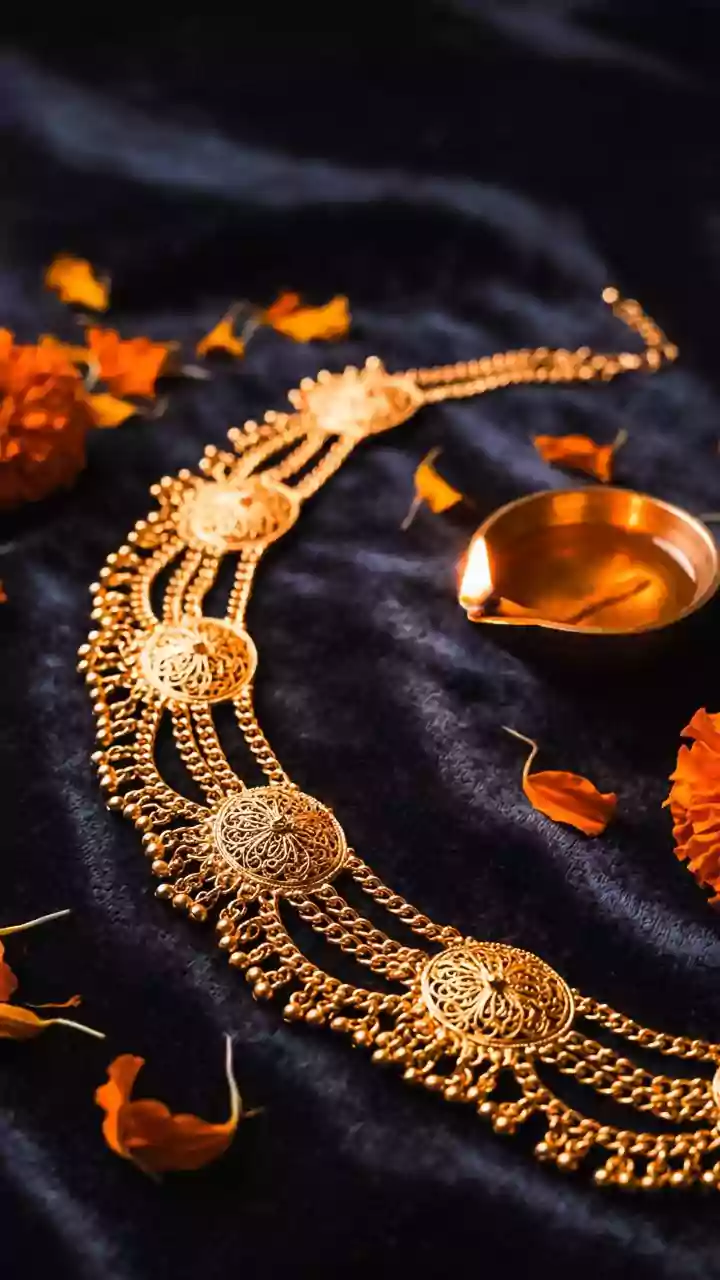
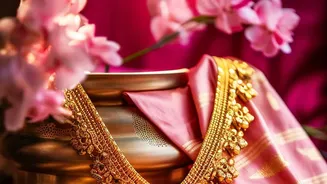
'stridhan', the personal wealth of the bride, offering her a degree of financial security. This tradition is more than just adornment; it's a sacred practice where families gift necklaces, bangles, and earrings that represent heritage and blessings for the new couple. Key items like the 'mangalsutra' or 'thali' are not merely jewellery but the sacred symbols of a marriage itself, making gold an essential, non-negotiable part of the celebration. This deep-rooted cultural significance ensures that millions of families flock to jewellers every wedding season.
Auspicious Dates and Market Surges
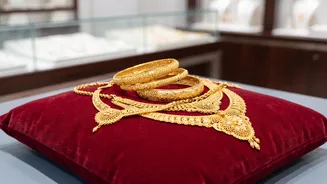
The timing of this demand is anything but random. The peak wedding season is determined by the Hindu Panchang, which outlines astrologically auspicious dates, or 'muhurats', for marriages. For late 2026, this period begins around November 21st, following the festive Diwali season, with numerous auspicious dates clustered in November and December. This concentration of weddings creates a predictable and powerful surge in gold buying. According to the World Gold Council (WGC), demand was already healthy during the recent festive period, and the onset of the wedding season is expected to further support jewellery sales. Retailers across the country often see footfall increase dramatically as families prepare for these ceremonies, which are often planned months or even years in advance.
Price Dips and Shifting Behaviours
This year, a timely correction in gold prices has added fuel to the fire. Prices fell in the run-up to the season, making the precious metal more accessible for budget-conscious families. The WGC noted that lower prices ahead of the wedding season should bolster jewellery demand. Retailer estimates from the recent festive season showed that while the value of sales increased by 15-25% year-on-year, volume was relatively flat, suggesting a trend towards lighter-weight pieces and modern designs to manage costs. Many jewellers are attracting customers with promotional offers and new, everyday-wear designs. Furthermore, the practice of exchanging old gold for new jewellery remains a significant part of the purchasing process for many families, accounting for a large portion of sales at many retailers.
The Global Impact of India's Demand
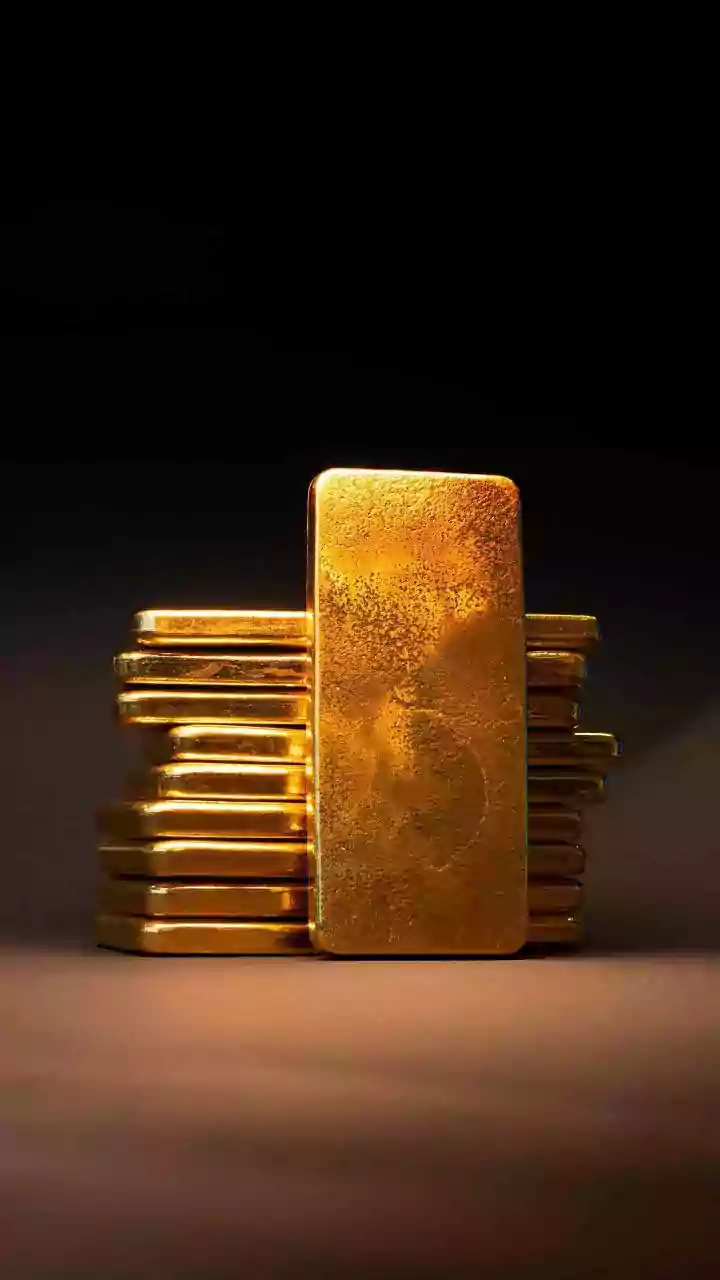
India's appetite for gold is so immense that it creates ripples in the global market. As one of the world's largest consumers of the metal, this seasonal spike in demand significantly impacts imports and prices worldwide. Gold imports rebounded sharply in October, driven by festive restocking and softer prices. However, overall imports for the year remain lower than in 2025, partly due to previously high prices and government import duties. Despite a forecast for a year-on-year decline in total demand for 2026, the final quarter's performance, heavily influenced by the wedding season, remains a critical factor for the global gold market. While price sensitivity is a key factor, the cultural compulsion to buy gold for weddings provides a strong, predictable floor for demand that analysts and investors watch closely every year.