







Protecting Your Painted Walls
The first casualty of high humidity is often your home's walls. When moisture seeps into the plaster, it can cause paint to bubble, crack, and peel away. Dark, damp corners become prime breeding grounds for unsightly and unhealthy mould and mildew. The key
to protecting your walls is controlling moisture at its source. Start by ensuring your home has adequate ventilation; open windows during dry spells to allow air to circulate and carry moisture out. Running exhaust fans in kitchens and bathrooms while cooking or showering is crucial. For persistent dampness, applying a high-quality waterproof paint can act as a barrier, repelling water before it soaks in. Before the monsoon begins, it's wise to inspect exterior walls and windows for any cracks or gaps and seal them to prevent water from entering.
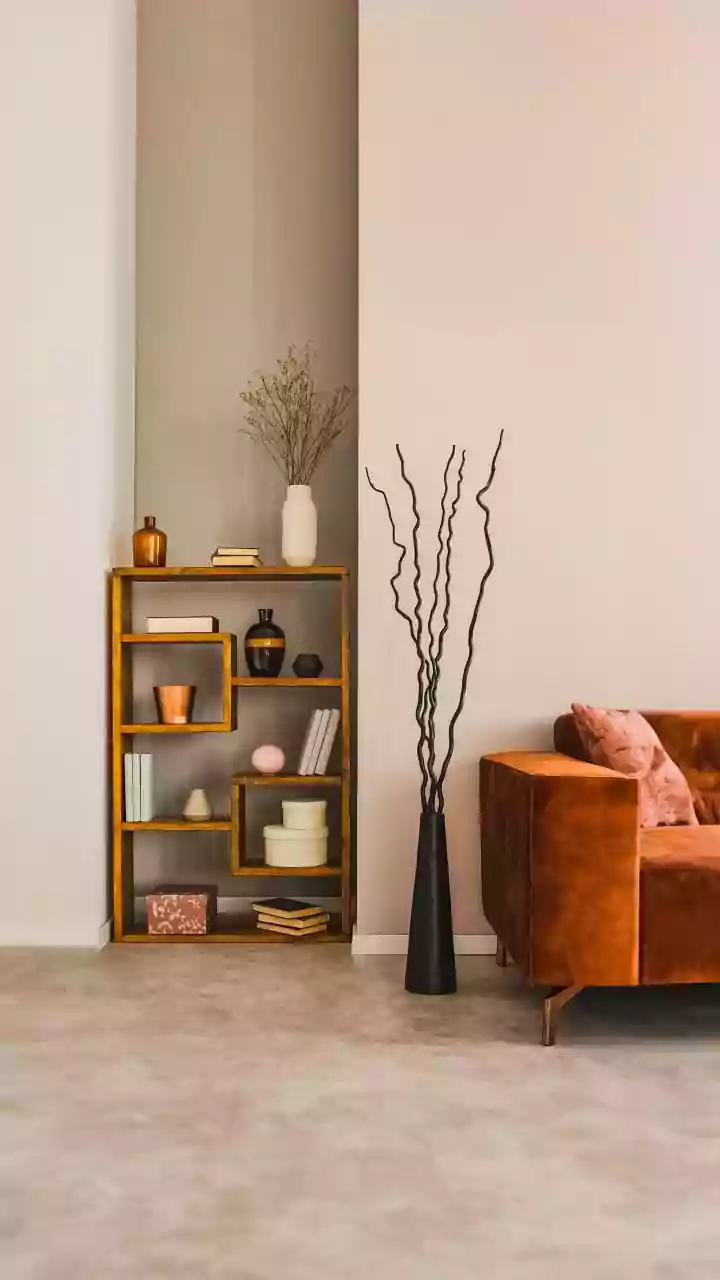
Safeguarding Wooden Furniture
Wood is a hygroscopic material, meaning it naturally absorbs and releases moisture from the air. During the monsoon, when humidity levels can soar, wooden furniture absorbs excess moisture and swells. This is why drawers get stuck and cabinet doors refuse to close properly. This repeated cycle of swelling and shrinking can eventually cause wood to warp, crack, and weaken at the joints. To protect your wooden treasures, create distance. Pull furniture a few inches away from walls, especially exterior ones that can carry dampness. This small air gap dramatically improves circulation and prevents moisture from getting trapped. Wiping furniture with a soft, dry cloth daily removes any settled moisture. For enclosed spaces like cabinets and drawers, placing moisture absorbers like silica gel packets or even camphor can be highly effective. Applying a fresh coat of polish or wax before the season starts can also provide a protective, moisture-resistant layer.
Keeping Fabrics Fresh and Dry
One of the most common monsoon complaints is the musty smell that clings to clothes and linens stored in wardrobes. This odour is a tell-tale sign of mildew and fungus, which thrive in dark, damp, and poorly ventilated spaces. Storing clothes that are not completely dry is the biggest trigger for mould growth. Even a slightly damp garment can spread moisture to other items in a closet. To combat this, ensure every piece of clothing is bone-dry before it goes into storage. If drying clothes indoors, space them out on the rack and use a fan to improve air circulation. Avoid overstuffing your wardrobe, as this restricts airflow and traps moisture. Placing natural moisture absorbers like neem leaves, cloves, or silica gel packets inside can help keep the environment dry and add a pleasant fragrance. On rare sunny days, take the opportunity to air out your clothes and even the wardrobe itself in the sunlight, which acts as a natural disinfectant.
Whole-Home Humidity Control
While targeting specific areas is effective, managing the overall humidity level in your home provides the best defence. The ideal indoor humidity range is between 40% and 55%. Anything above 60% encourages mould growth. A dehumidifier is the most effective tool for maintaining this balance, actively pulling excess moisture from the air. Many air conditioners in India also have a 'dry mode' that serves a similar function, reducing humidity without over-cooling the room. Simple, natural solutions can also contribute. Placing bowls of salt or charcoal briquettes in damp corners can help absorb ambient moisture. Finally, regular checks for leaks in your plumbing, roof, and around window sills are essential, as even a small, persistent drip can create a significant dampness problem.