
A Dare Between Brothers
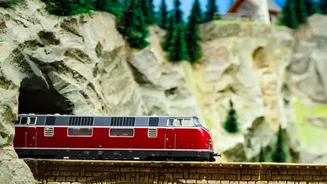
The story of Miniatur Wunderland begins in 2000 with twin brothers Frederik and Gerrit Braun. After years of running a nightclub, Frederik felt a pull towards something different. On a holiday in Zurich, a visit to a model railway shop sparked a childhood
memory and a bold idea. He called Gerrit, the more pragmatic of the two, and declared, “We’re going to build the world’s largest model railway.” What started as a seemingly wild idea between two brothers quickly grew into a meticulously planned passion project. They secured a loan, and by August 2001, the first sections of their miniature world opened to the public in Hamburg's Speicherstadt district.
Beyond the Rails
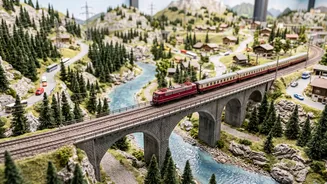
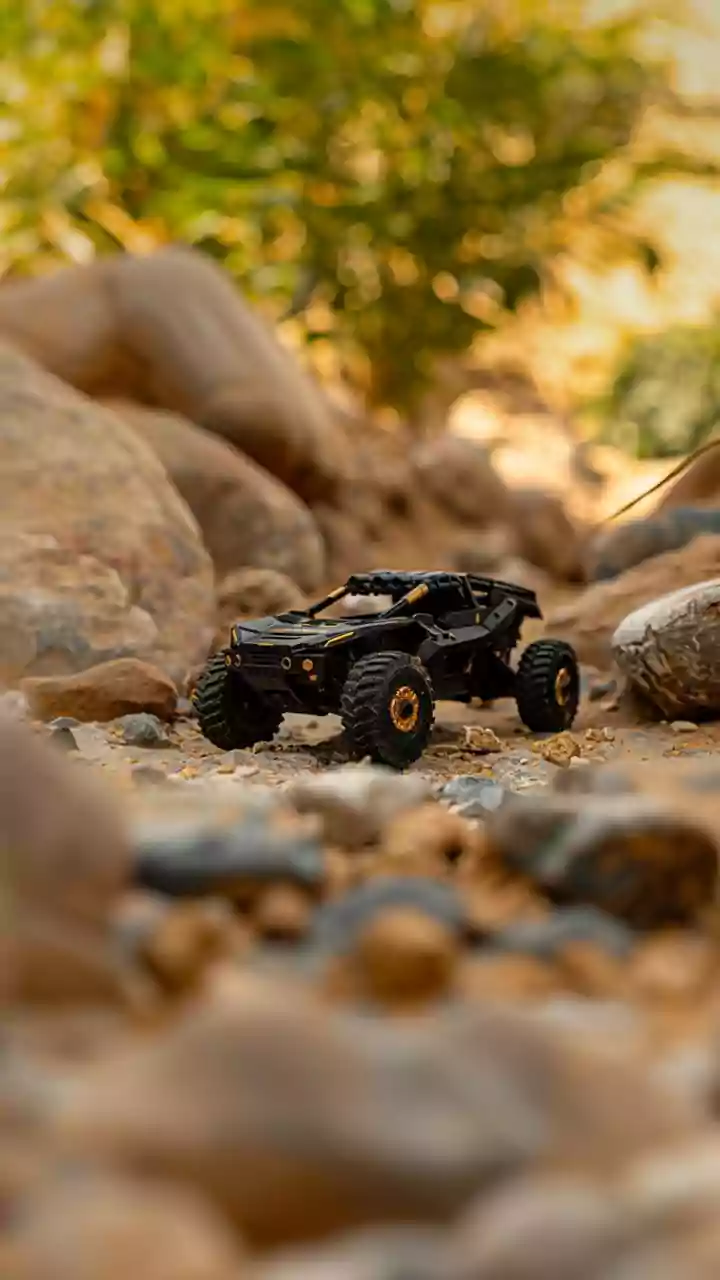
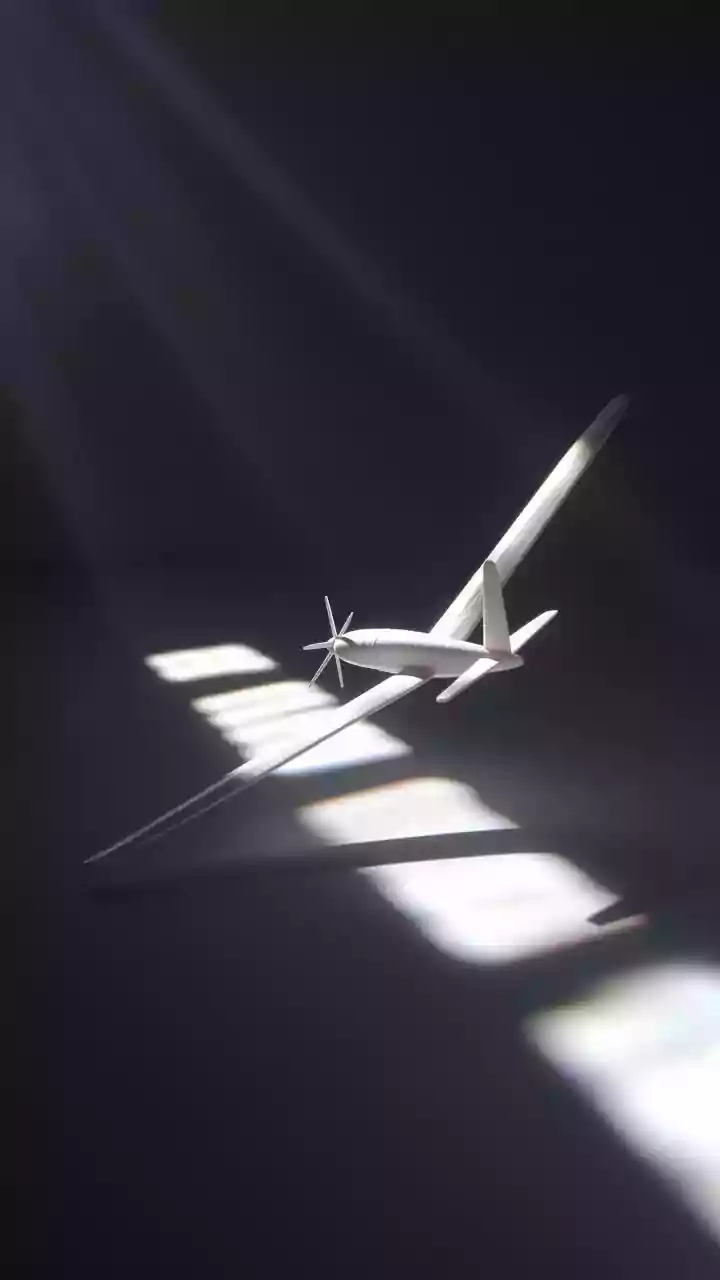
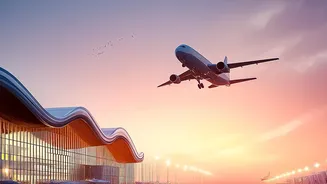
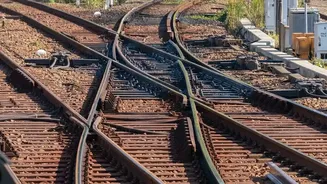
While trains are the lifeblood, circulating on over 16,000 metres of track, they are just one part of a complex, living ecosystem. The headline attraction might be the trains, but the real magic is in the details that surround them. A fully functional airport, Knuffingen Airport, sees model planes taxi, take off, and land, their movements synced with a real-time flight schedule. Below, in the fictional city of Knuffingen, a sophisticated car system sends hundreds of vehicles navigating streets, obeying traffic lights, and even responding to emergencies—a fire breaks out in an apartment building every 15 minutes, prompting a tiny fleet of fire engines to rush to the scene. Ships navigate on real water that simulates tides, and a day-night cycle transforms the entire landscape every quarter-hour, with hundreds of thousands of LEDs bringing the cities to life after dark.
A World of Tiny Stories
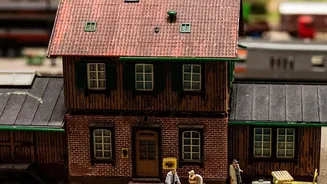
What truly elevates Miniatur Wunderland is its commitment to storytelling. Among the nearly 300,000 individually placed figurines, countless narratives unfold for those who look closely. These are not just static figures; they are characters in a global drama. You might find lovers hidden in a field of sunflowers, penguins protesting climate change, or even a nod to Star Wars with a Millennium Falcon at the airport. Each of the meticulously recreated regions—from the Swiss Alps and Las Vegas to Italy and Patagonia—is filled with these humorous and touching vignettes. This human touch transforms the exhibition from a technical marvel into an endless game of discovery, rewarding curiosity and ensuring no two visits are the same.
The Technological Heartbeat
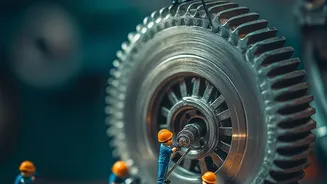
Keeping this miniature world running is a monumental task. The entire system is powered by a network of computers and custom software that has been in development for decades. The car system alone required thousands of hours to program, with each vehicle’s computer making 20 decisions per second to navigate, control speed, and maintain distance from other cars. A team of technicians works tirelessly, both on-site and in workshops, to maintain and expand the world. Their control centre looks like something out of a space agency, with monitors tracking every train, car, and plane. This hidden layer of technology is perhaps the most astounding part of the Wunderland, an invisible force making the impossible seem effortless.