


An Eye in the Sky for Wildfires
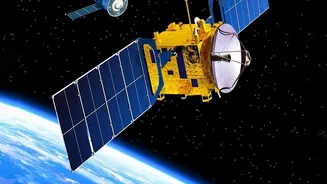
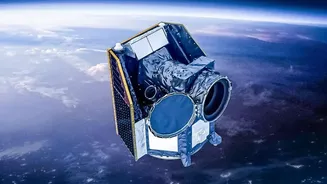
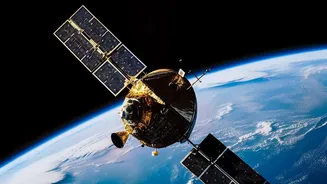
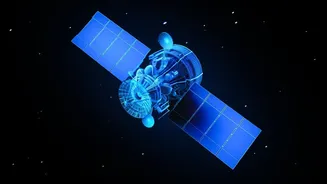
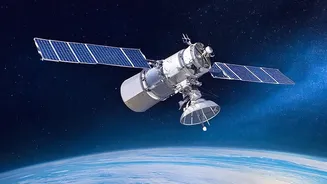
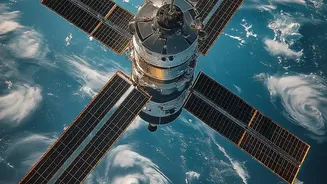
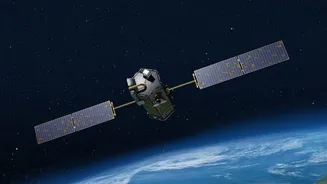
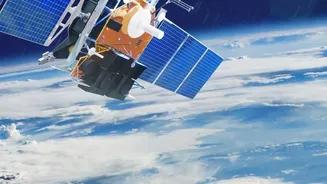
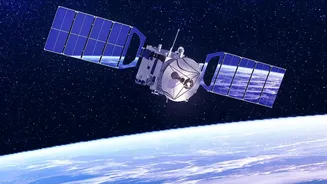
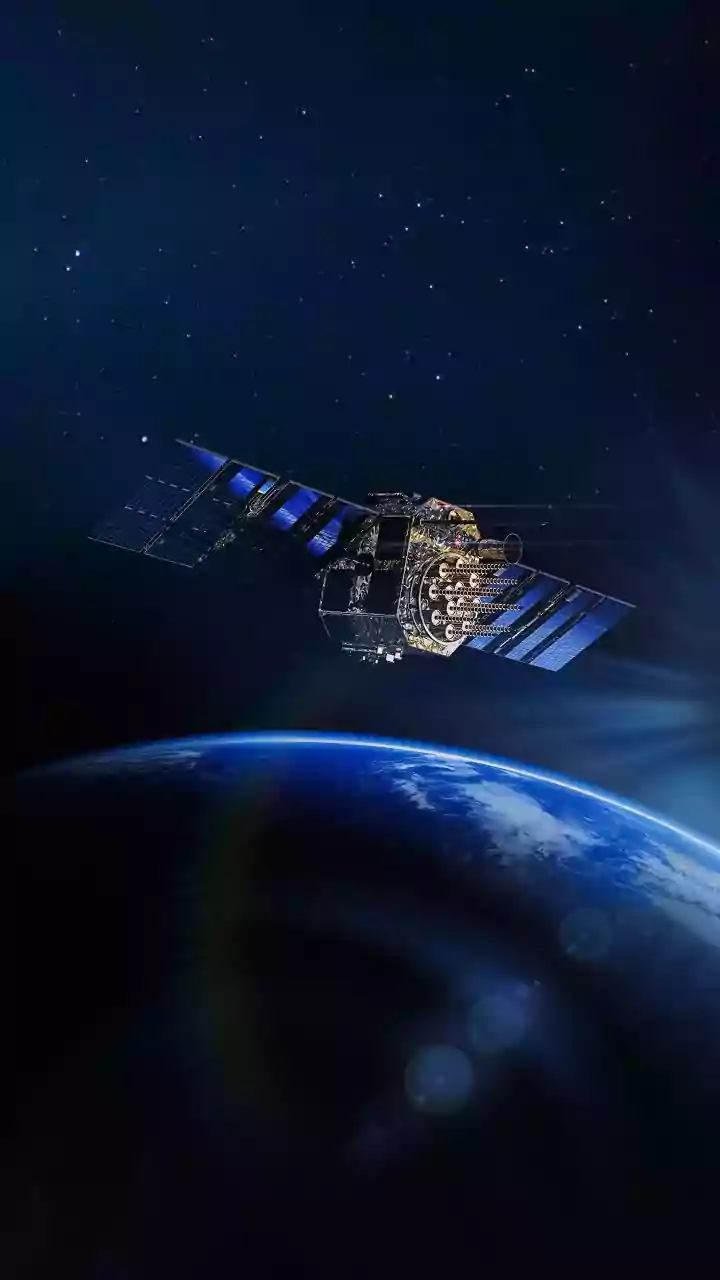
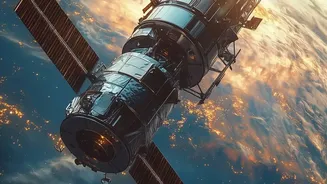
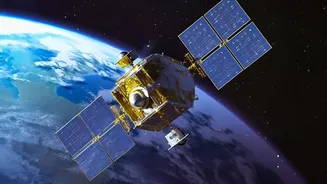
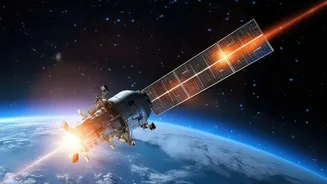
A new initiative called FireSat is deploying a dedicated constellation of satellites with one primary mission: to find wildfires before they rage out of control. This is a significant shift from current methods, which often rely on general-purpose weather
or Earth-observation satellites that may only pass over a location a few times a day and lack the resolution to see small fires. The FireSat program, a collaboration between the nonprofit Earth Fire Alliance, Google Research, and satellite manufacturer Muon Space, aims to fill this critical gap. The first three operational satellites launched in the summer of 2026, building on a successful prototype launched in 2025. When the full constellation is operational, it will be able to scan any point on Earth every 20 minutes or less, providing a persistent, watchful eye.
How AI Turns Heat into Insight
The "beach bonfire" claim isn't just marketing hype; it illustrates the system's remarkable precision. The satellites are designed to detect fires as small as 5x5 meters (about 16x16 feet), a massive improvement over older systems that could miss anything smaller than a soccer field. This is achieved using advanced multispectral infrared sensors that can see heat signatures through smoke and even clouds. But detecting heat alone isn't enough, as it could lead to false alarms from hot rooftops or industrial sites. This is where Artificial Intelligence comes in. The AI algorithms compare new infrared images with a vast library of previous images of the same spot, factoring in weather data and other variables to reliably determine if a heat source is a new, dangerous fire. This intelligent filtering is the key to providing actionable alerts that first responders can trust.
A Race Against Time
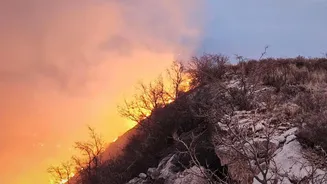
For firefighters, the first hour of a wildfire is often called the "golden hour." Containing a blaze when it's small is exponentially easier and safer than battling a raging inferno. The problem has always been detection speed. By the time a fire is spotted by a person or a ground-based camera, it may have already grown significantly. The FireSat system aims to deliver alerts to emergency services within minutes of detection. This speed could be a game-changer, fundamentally shifting the strategy from reactive, large-scale firefighting to proactive, rapid suppression. In a country like India, which sees thousands of forest fires annually in states like Uttarakhand and Himachal Pradesh, such early warnings could prove invaluable in protecting vulnerable ecosystems and communities.
From Data to Decisions
Having the data is only half the battle; getting it to the right people in a usable format is just as important. FireSat is not designed to replace existing systems like lookout towers, aircraft, or emergency calls from the public. Instead, it acts as a powerful new layer of intelligence. The near real-time data on a fire's location, intensity, and perimeter can give incident commanders unprecedented situational awareness, helping them deploy resources more effectively. Beyond immediate response, the data collected will be a goldmine for scientists. It will be used to build better models for predicting fire behavior, understanding how fires spread, and assessing risk, contributing to long-term climate resilience efforts.
The Road Ahead
While the technology is incredibly promising, the FireSat system is still in its early stages. The initial operational capability began with the launch of three satellites in July 2026, with a full global constellation of over 50 planned for the coming years. The success of the program will depend on seamless integration with emergency response agencies on the ground. Building trust in the AI's alerts and ensuring the data flows quickly to firefighters in remote areas are key challenges that the Earth Fire Alliance and its partners are working to solve. Still, as more satellites join the network, the vision of a global, high-speed fire alarm in the sky moves closer to reality, promising a future where we can stop devastating wildfires before they even start.