






The Modern Investigative Challenge
In today's hyper-documented world, a single incident can generate thousands of hours of video from CCTV, police body cameras, dashcams, and bystander smartphones. For investigators, this creates a monumental task. Manually reviewing this footage is a slow,
resource-intensive process that can take days or even weeks, potentially delaying justice and allowing leads to go cold. Human error is also a significant factor; fatigue and oversight can lead to missed details. This digital evidence overload is a primary bottleneck in modern criminal investigations, creating case backlogs and straining law enforcement resources.
How AI Works as a Digital Partner
AI-powered video analysis doesn't 'watch' footage like a human. Instead, it uses advanced algorithms for tasks like computer vision and machine learning to scan and index vast datasets. This allows investigators to move from manually scrubbing through timelines to performing targeted searches. For example, an officer could ask the system to find "all red cars that passed through an intersection after midnight" or to identify every time a person in a specific colour of clothing appears across multiple cameras. The AI automatically detects and tags objects, people, vehicles, and even specific activities, creating a searchable index of the video's contents. This transforms the footage from a static archive into a dynamic, queryable intelligence asset.
The Promise: Speed, Accuracy, and New Leads
The most significant advantage of using AI in video forensics is speed. An analysis that might take a human reviewer 40 hours can be completed by an AI in minutes, returning only the most relevant clips for an investigator to verify. This acceleration can be the difference between a quick resolution and a cold case. Beyond speed, AI can enhance accuracy by applying consistent logic to every frame without fatigue. It can also improve the quality of evidence by stabilizing shaky video, deblurring images, and enhancing low-light footage to make faces or license plates clearer. In some cases, AI can even spot patterns or connections that a human analyst might miss.
The Peril: Bias, Errors, and Surveillance
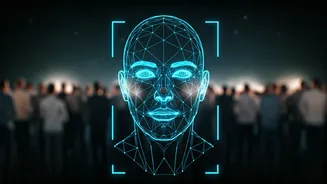
Despite its potential, the use of AI in policing is fraught with ethical challenges. A primary concern is algorithmic bias. AI systems learn from the data they are trained on, and if that historical data reflects existing societal or policing biases, the AI can perpetuate or even amplify them. For instance, facial recognition technologies have shown lower accuracy rates for women and people of colour, which could lead to misidentifications. There is also the 'black box' problem, where complex AI models make recommendations without providing a clear reason, making it difficult to challenge or scrutinize their conclusions. Civil liberties groups warn that widespread AI video analysis could lead to mass surveillance, tracking people's movements and associations without their consent.
Finding the Right Balance
Experts and even many in law enforcement agree that AI should be a tool to assist, not replace, human judgment. The key to responsible deployment lies in establishing strong policies, transparency, and human oversight. This includes regular audits to check for bias, clear rules on data retention and privacy, and ensuring a human investigator always makes the final decision. For this technology to be a trusted part of the justice system, there must be a balance between its powerful capabilities and the fundamental rights to privacy and due process. The line between public security and state surveillance depends not just on the technology itself, but on the policies that govern its use.