





Thailand's allure is undeniable, but the dream of serene beaches and tranquil temples can clash with the reality of peak-season crowds. Smart planning is the key to unlocking the peaceful, authentic experience you're looking for.
Understanding Thailand's Rhythms
Thailand's climate is
governed by three main seasons, but they don't affect the whole country uniformly. The cool, dry season from November to February is generally considered the best weather-wise and is, therefore, the peak tourist season. Expect clear skies, comfortable temperatures, and the biggest crowds, especially in popular spots in the north like Chiang Mai and on the Andaman coast (Phuket, Krabi). The hot, dry season follows from March to May, with temperatures soaring. Crowds can thin out slightly, making it a good time for deals if you can handle the heat. Finally, the rainy or 'green' season runs from roughly June to October. While this brings afternoon downpours, it rarely rains all day. This is the low season, offering lush landscapes, fewer tourists, and lower prices.
The Case for Shoulder Season Travel
To truly sidestep the masses, consider the 'shoulder seasons'—the periods between peak and low seasons. Months like April, May, and September offer a sweet spot of decent weather, significantly fewer people, and better prices on flights and accommodation. The early part of the rainy season, around June and July, can also be a fantastic time to visit. The landscape is vibrant and green, and rain often comes in short, predictable bursts that cool the air without disrupting an entire day. The key is regional planning: when the western Andaman coast (Phuket) is wettest, the eastern Gulf coast (Koh Samui) is often enjoying great weather, and vice-versa.
Hotspots Suffering from Popularity
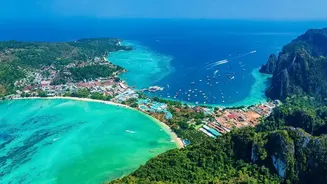
Some of Thailand's most famous destinations now grapple with the visible effects of overtourism. Maya Bay on Koh Phi Phi Leh, made famous by the film 'The Beach', became so overwhelmed that it was closed for years to allow its ecosystem to recover and now operates with strict visitor limits. Parts of Phuket, especially Patong, Kata, and Karon, can feel more like crowded resorts than a tranquil escape. In the north, the Old Town of Chiang Mai and once-bohemian Pai have seen their quiet charm diluted by gentrification and mass tourism. While these places are popular for a reason, visiting them often means managing expectations and navigating significant crowds.
Compelling Alternatives to Crowded Hubs
The good news is that for every crowded hotspot, there's a stunning, quieter alternative waiting to be discovered. Instead of the busiest beaches in Phuket, consider the more relaxed vibe of Khao Lak to the north, known for its nature focus. Or, explore the islands of the Trang archipelago, like Koh Kradan or Koh Mook, for raw, undeveloped beauty. Rather than the party-centric areas of Koh Phi Phi or Koh Phangan's Full Moon Party, the islands of Koh Lanta or the Koh Yao twins (Noi and Yai) offer a more peaceful atmosphere. In the north, consider using Chiang Rai as a base to explore the Golden Triangle, a culturally rich area with beautiful scenery and far fewer tourists than its more famous neighbor, Chiang Mai.
Simple Strategies to Avoid the Rush
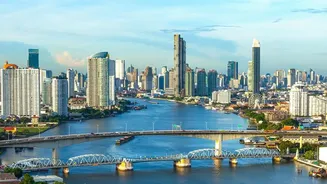
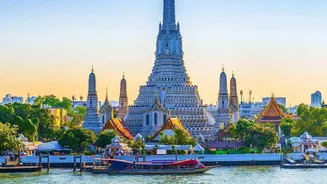
Even if you do visit popular areas, a few simple tactics can make a world of difference. Your first strategy is timing. Visit famous temples and attractions early in the morning, right when they open, or in the late afternoon as crowds start to thin out. This is especially effective in cities like Bangkok and Chiang Mai. Secondly, get off the main drag. In Phuket, for example, moving from Patong to a beach just a few kilometers away, like Nai Harn, can completely change your experience. Finally, consider your accommodation choices. Opting for a guesthouse or small hotel in a neighbourhood adjacent to the main tourist zone can offer a more authentic and peaceful stay.