

The Dinner-First Mindset
The daily scramble to pack a nutritious lunch often ends in compromise. We grab whatever is quick, not necessarily what is best. The solution isn't to wake up earlier or buy expensive pre-packaged options. Instead, the most effective strategy starts the night
before, with dinner. Planning your evening meal with tomorrow's lunch in mind is a simple but revolutionary shift. It’s a core principle of meal prepping: by cooking once, you can eat well twice. This approach saves time, reduces food waste, and, most importantly, removes the stressful morning decision-making. When a healthy, delicious lunch is already a component of last night's meal, you are far less likely to resort to unhealthy takeout or a packet of biscuits. It’s a system that works because it integrates into your existing routine rather than adding another task to your plate.
Think in Components, Not Just Leftovers
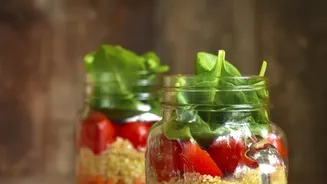
The idea of eating the exact same meal for lunch as you did for dinner can feel monotonous. The key to success is to stop thinking of them as 'leftovers' and start seeing them as 'components'. When you plan your dinner, think about creating building blocks for the next day's meal. For example, a simple dinner of grilled chicken, roasted vegetables, and quinoa can be easily reimagined. The grilled chicken can be sliced and put into a wrap, the roasted vegetables can be tossed with fresh greens to make a salad, and the quinoa can be mixed with some beans and corn for a quick grain bowl. By cooking versatile core ingredients in a larger batch at dinnertime, you give yourself a head start on a completely new and exciting lunch. A batch of dal can become a hearty soup, while leftover roasted sabzi is a perfect filling for a toasted sandwich or paratha roll.
A Practical Weekly Blueprint
To put this into practice, you don’t need a complicated system. Start small. Set aside 30 minutes over the weekend to plan three to four dinners for the upcoming week. As you choose your recipes, ask yourself: "How can this become lunch?" For instance, if you plan to make keema matar, make a double batch. Half can be served with roti for dinner, and the other half can become a filling for a sandwich or a topping for a baked potato the next day. Similarly, a large batch of chana masala for dinner provides a perfect, protein-packed base for a salad bowl at lunchtime. Write down your dinner plan and your corresponding lunch idea. This simple blueprint eliminates daily guesswork and ensures you have all the necessary ingredients on hand, saving you money and reducing impulse buys at the grocery store.
Building the 'Lunchable' Dinner
What makes a dinner ideal for repurposing? Focus on meals that are structurally sound and taste just as good, if not better, the next day. Stews, curries, chilies, and lentil dishes are fantastic options, as their flavours often deepen overnight. Roasting a whole chicken or a large batch of vegetables provides versatile ingredients for days. Cooked grains like rice, quinoa, and millets are excellent bases for various lunch bowls. When cooking these meals, it's helpful to slightly undercook any vegetables you plan to use in a reheated lunch to prevent them from becoming mushy. Also, consider setting aside the portion for lunch before adding final garnishes like fresh herbs, fried onions, or sev, which are best added just before eating the next day to maintain their texture and freshness.
Packing It Right
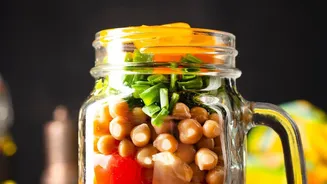
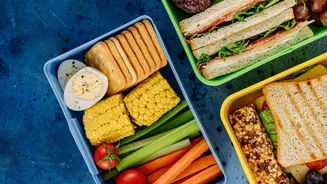
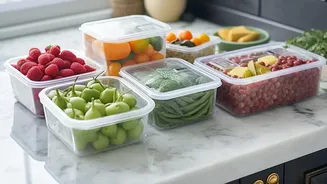
Once you have your pre-planned lunch components, packing becomes a simple assembly job. Invest in some good quality, leak-proof containers, perhaps with separate compartments. This allows you to keep wet and dry ingredients apart, preventing a soggy sandwich or salad. Pack dressings, chutneys, and yogurt in small, separate containers to be added just before you eat. To complete your healthy packed lunch, add a piece of fruit, a small container of nuts, or some sliced cucumber and carrots. These simple additions round out the meal and add extra nutrients and crunch. Remember to cool your cooked food before packing it into the fridge to ensure it stays fresh and safe to eat.