





Meet the Common Culprits
Before you can fight them, you need to know what you’re up against. In most Indian kitchens, the primary intruders are small beetles like weevils and flour beetles, and the larvae of Indian meal moths. These pests are often brought into the home unknowingly
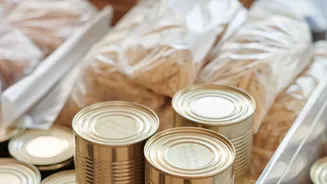
inside packaged goods from the store. They thrive in dry goods like atta, suji, rice, lentils, and even spices. The larvae of the Indian meal moth are particularly troublesome, as they spin silken webs that contaminate more food than they consume. Weevils are notorious for laying eggs inside individual grains of rice, making them hard to spot until they hatch. Knowing these pests target our everyday staples makes proactive prevention crucial.
The Airtight Container Defence
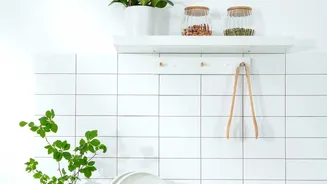
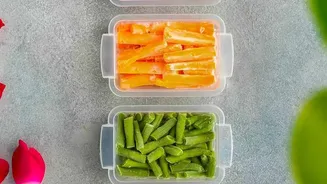
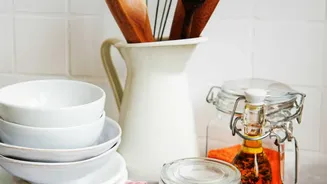
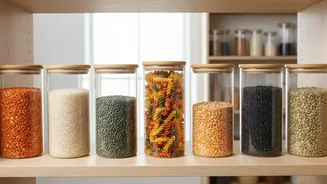
The single most effective step in pest-proofing your pantry is to transfer dry goods out of their original paper or plastic bags and into proper airtight containers. Pests can easily chew through thin packaging, but they cannot get through a sealed container. For an Indian kitchen dealing with high humidity, especially during monsoons, airtight seals are non-negotiable as they also block moisture that attracts pests and causes clumping. Choose containers based on the ingredient: wide-mouthed boxes are ideal for atta, making scooping easy. Glass jars with rubber seals are excellent for spices as they don't absorb odours and keep flavours potent. For bulk items like rice and dal, large, stackable plastic or steel containers with secure locking lids are perfect. Always opt for food-grade, BPA-free plastic if you go that route.
The Importance of a Dry Pantry
Pests are drawn to moisture, and a damp shelf can quickly become a breeding ground. After wiping down shelves, it is essential to let them dry completely before restocking your containers. Any lingering moisture can get trapped, leading to mould or mildew, which provides another potential food source for pests. Regularly check under the sink and along the back of your pantry cupboards for any signs of leaks or condensation. India’s humid climate makes this step especially important. A dry environment is an inhospitable one for most common kitchen bugs, making it a simple but powerful layer of defence in your pest prevention strategy.
Your Pantry Cleaning Checklist
A consistent cleaning routine is your next line of defence. Start with a deep clean every few months by taking everything out of the pantry. Vacuum or sweep up any crumbs and spilled powders from the shelves and floor. Wipe all surfaces with a solution of equal parts white vinegar and water; the vinegar acts as a natural disinfectant and its smell deters many insects. Once shelves are completely dry, you can implement a weekly maintenance routine. This includes a quick wipe of any spills and sweeping the floor to ensure no stray food particles are left to attract ants or cockroaches. This regular upkeep prevents small messes from becoming a feast for pests.
Natural Deterrents for Extra Protection
For an added layer of protection, several natural ingredients can help repel pests. Bay leaves are a popular and effective choice; their scent, which comes from an oil called eucalyptol, is unpleasant to many pantry pests like weevils, moths, and even cockroaches. Simply place a couple of dried bay leaves inside your containers of flour, rice, and dal, or scatter them on your pantry shelves. Other strong-smelling spices like whole cloves and cinnamon sticks can also work as deterrents. You can place them in small bowls or tuck them into the corners of your cupboards to create a protective scent barrier. The smell of peppermint oil, applied to cotton balls and placed in corners, is another effective and pleasant-smelling repellent.
Smart Habits for a Pest-Free Kitchen
Beyond storage and cleaning, a few smart habits can make a huge difference. When you bring new groceries home, inspect the packaging for any tiny holes or tears before putting them away. Some experts even recommend freezing new bags of flour or rice for four days to kill any potential eggs or larvae before transferring the contents to your containers. Practice the 'First-In, First-Out' (FIFO) method by rotating your stock and using older items first. This prevents ingredients from sitting in the back of your cupboard for too long, becoming a target for pests. Buying smaller quantities of items you use less frequently can also help ensure they are always fresh and less likely to become infested.