


The Golden Rule: Safety and Patch Testing First
Before applying any new ingredient or mixture to your face, it's crucial to perform a patch test. Apply a small amount of the recipe to a discreet area of skin, like your inner wrist or behind your ear. Wait 24 to 48 hours to see if any redness, itching,
or irritation occurs. "Natural" does not always mean safe for every skin type, and what works for one person might not work for another. Sensitive skin requires careful attention, so listening to your body is the most important step. When in doubt, or if you have persistent skin concerns like rosacea or eczema, always consult a dermatologist before trying new treatments.
Calming Turmeric and Yogurt Mask
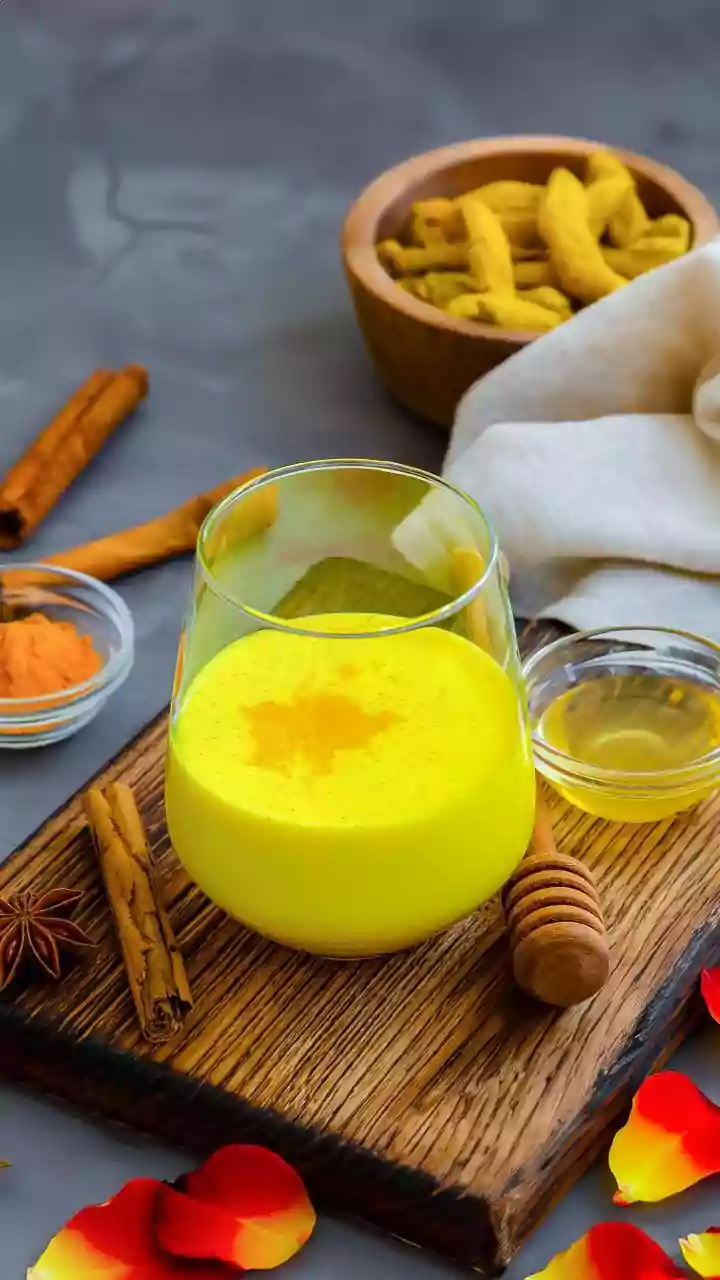
This mask combines the anti-inflammatory power of turmeric with the gentle exfoliating properties of yogurt. Turmeric contains curcumin, an antioxidant that can help calm redness and even out skin tone. Yogurt contains lactic acid, a mild alpha-hydroxy acid (AHA) that helps dissolve dead skin cells, revealing a smoother, brighter complexion underneath. To prepare, mix one teaspoon of turmeric powder with two tablespoons of plain, full-fat yogurt. For an extra boost of moisture, add a teaspoon of raw honey, which has natural hydrating and antibacterial properties. Combine the ingredients into a smooth paste. Apply an even layer to your clean face, avoiding the eye area. Let it sit for 10-15 minutes before rinsing thoroughly with lukewarm water. Use this mask once or twice a week.
Soothing Oatmeal and Honey Mask
Oatmeal is a classic remedy for irritated skin, known for its ability to soothe and reduce inflammation. It acts as a gentle exfoliant, helping to remove dirt and excess oil without being abrasive. Honey is a natural humectant, meaning it draws moisture into the skin, and its antibacterial qualities make it beneficial for preventing breakouts. To make this calming mask, combine two tablespoons of finely ground oats with one tablespoon of raw honey. Add a small amount of warm water or milk to form a spreadable paste. Gently apply the mixture to your face in a circular motion, leave it on for about 15 minutes, and then rinse with warm water. This mask is excellent for calming redness and providing a dose of gentle hydration.
Hydrating Papaya and Aloe Vera Pack
Papaya is rich in an enzyme called papain, which works as a natural exfoliant to slough away dead skin cells and reveal brighter skin. It’s also packed with Vitamin C, a powerful antioxidant for promoting a healthy glow. Aloe vera is celebrated for its soothing and hydrating properties, making it an ideal partner for papaya in a sensitive skin recipe. To create this mask, mash a few chunks of ripe papaya into a smooth pulp. Mix about a quarter cup of the papaya with two tablespoons of pure aloe vera gel. You can also add a teaspoon of honey for extra moisture. Apply the pack to your face and let it work its magic for 15-20 minutes before rinsing off with cool water. The result is skin that feels refreshed, hydrated, and subtly brightened.
Ingredients to Use with Caution
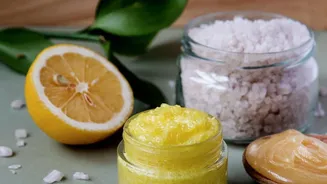
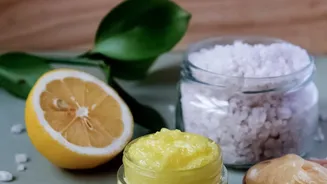
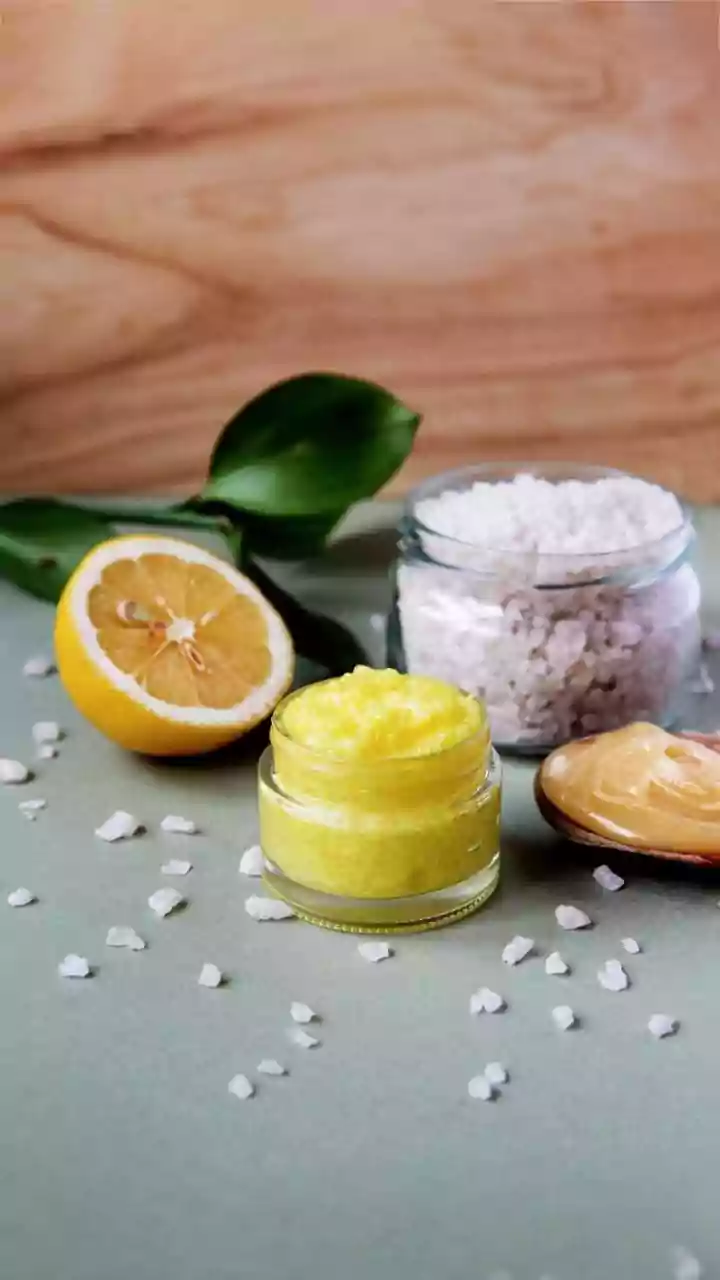
While many kitchen ingredients are beneficial, some can be too harsh for sensitive skin. Lemon juice, for example, is highly acidic and can disrupt your skin’s pH balance, leading to irritation, dryness, and increased sun sensitivity. Similarly, baking soda is highly alkaline and can strip the skin's natural protective barrier, causing redness and inflammation. Scrubs made from large, jagged particles like raw sugar or salt can create micro-tears in the delicate skin on your face. Always opt for finely ground and gentle ingredients like oatmeal for exfoliation.