

A Parade of Bright Planets
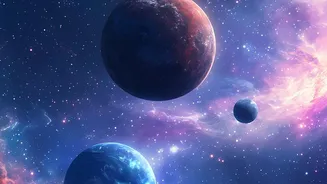
When we talk about the brightest 'stars' in the night sky, we are often looking at planets. This September, skywatchers are in for a treat as all five planets visible to the naked eye—Mercury, Venus, Mars, Jupiter, and Saturn—will make an appearance.
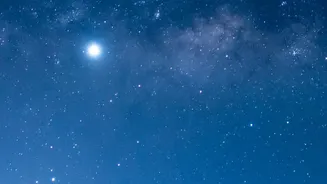
Venus will be the undeniable star of the show, blazing brilliantly in the western sky shortly after sunset. Around September 22, it will reach its greatest brightness, appearing more luminous than any other object in the night sky except for the Moon. Keep an eye out for Saturn, which will be visible for most of the night, while Jupiter and Mars will greet early risers in the pre-dawn hours.
Celestial Meetups to Watch For
September is also a month of beautiful cosmic pairings, known as conjunctions. These events offer stunning photo opportunities and make celestial objects easier to find. In the pre-dawn sky of September 6 and 7, the crescent Moon will pass close to the red planet, Mars. Just a day later, on the morning of September 8, the Moon will have moved on to meet the giant planet Jupiter. Perhaps the most picturesque event will occur on September 14, when a slender crescent Moon will hang near the dazzlingly bright Venus in the evening sky, creating a truly memorable sight.
Farewell to the Summer Triangle
While planets steal the spotlight, September is also a great time to admire some of the most famous star patterns. High overhead in the early evening is the Summer Triangle, an asterism formed by three brilliant white stars: Vega, Deneb, and Altair. These stars are the leading lights of the constellations Lyra (the Lyre), Cygnus (the Swan), and Aquila (the Eagle). As the month progresses, this iconic formation will drift further west each night, making way for the constellations of autumn. This is one of your last best chances to easily enjoy this summer sky centrepiece.
The Arrival of Autumn Skies
Rising in the east is a sure sign of the changing seasons: the Great Square of Pegasus. This large, boxy asterism marks the body of the mythical winged horse. Attached to the Great Square is the constellation Andromeda, home to the Andromeda Galaxy, the most distant object you can see with your naked eye under dark skies. September also marks the official start of autumn in the Northern Hemisphere with the autumnal equinox. This year, it falls on September 23, when day and night are of nearly equal length across the globe. This celestial event is a milestone in Earth's yearly journey around the Sun.
Tips for Stargazing in India
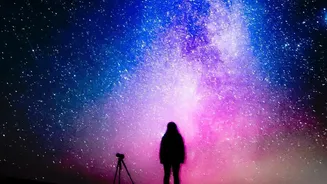
To make the most of September's cosmic display, finding a location away from city lights is key. Light pollution washes out all but the brightest objects. For those seeking pristine skies, India offers several prime stargazing locations. The clear, high-altitude skies of Spiti Valley in Himachal Pradesh and Hanle in Ladakh are exceptional during this time of year. For those in other parts of the country, the deserts around Jaisalmer in Rajasthan or the open expanse of the Rann of Kutch in Gujarat provide wonderfully dark and unobstructed views. Even a short drive away from urban centres can dramatically improve your viewing experience. Give your eyes at least 15-20 minutes to adapt to the darkness, and you'll be amazed at what you can see.