





The Blueprint: The Responsible Tourism Mission
The foundation of Kerala's sustainable ambition is its award-winning Responsible Tourism (RT) Mission. Launched formally in 2017 after successful pilot programs starting in 2007, the mission is built on a “triple bottom-line” principle: economic, social,
and environmental responsibility. The core idea is to transform tourism from a simple commercial activity into a tool for community development. This involves deeply integrating local communities into the tourism ecosystem, ensuring that the economic benefits stay local. The state has focused on creating opportunities for villagers, empowering women through entrepreneurship, and preserving the state's rich cultural heritage by making it a central part of the tourist experience. This model has won numerous national and international awards, including accolades from the World Travel Mart and the United Nations World Tourism Organization (UNWTO).
Sustainability in Action: From Villages to Global Recognition
The RT Mission is more than just a policy on paper. It has been implemented through tangible projects across the state. Initiatives like the STREET project (Sustainable, Tangible, Responsible, Experiential, Ethnic Tourism) focus on themes like water conservation and have gained global recognition. The mission promotes 'Village Life Experience' packages, where travellers can engage directly with local life—watching artisans at work, visiting plantations, and learning to cook traditional cuisine. This approach not only provides a more authentic experience for tourists but also creates sustainable livelihoods for residents. Women's empowerment is a key success story, with the mission actively supporting women-led enterprises and even hosting a global conference on gender-inclusive tourism. Destinations like Kumarakom have become globally recognized models for how to successfully implement these principles.
The Hurdles on the Horizon
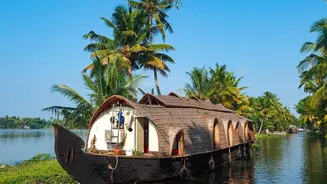
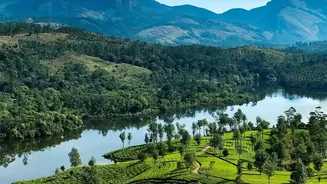
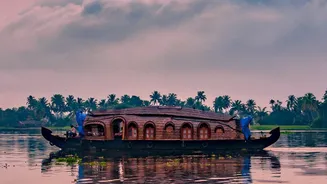
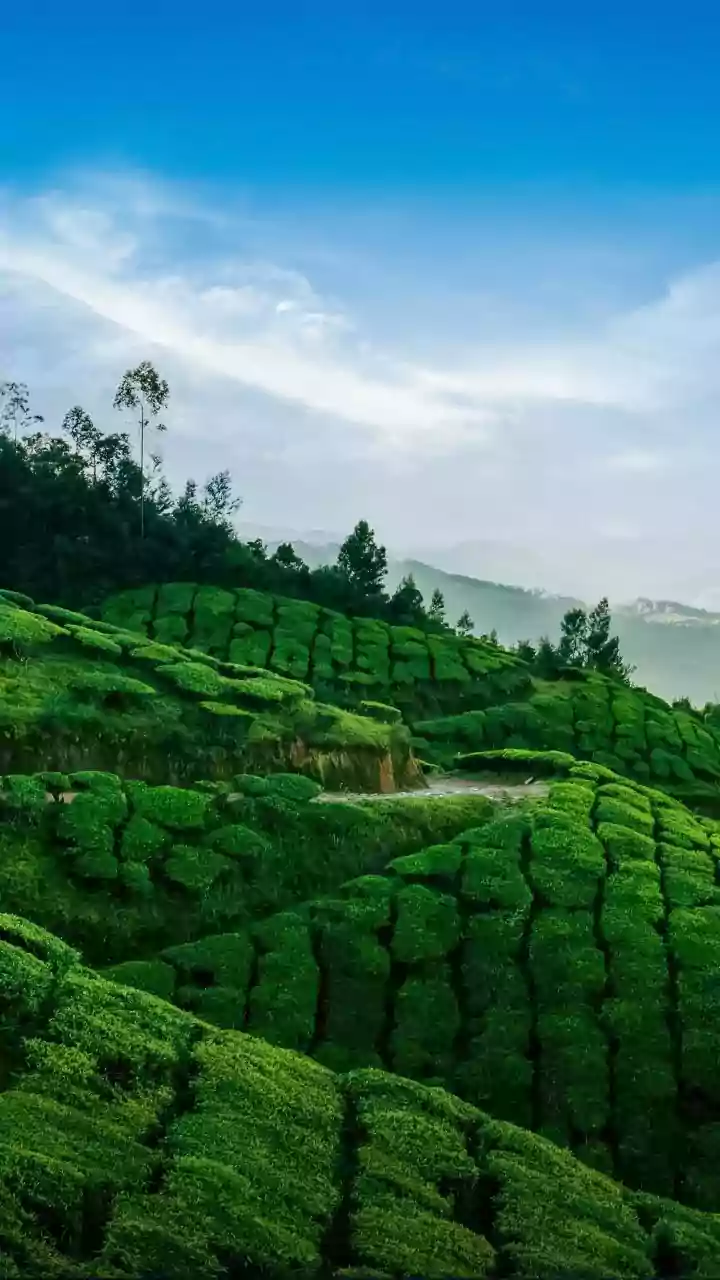
Despite its pioneering efforts, Kerala's path to becoming the undisputed leader in sustainable travel is not without significant challenges. One of the biggest threats is the pressure of overtourism in popular spots like Munnar and Alleppey. The explosion in the number of houseboats in the backwaters, many of them unlicensed, has led to serious environmental concerns, including water pollution from untreated waste and fuel leakages that threaten the fragile ecosystem. The rapid and sometimes unregulated development has been flagged as a serious issue, contributing to environmental degradation and even exacerbating the impact of natural disasters like landslides. In late 2024, Fodor's Travel controversially added Kerala to its 'No List' of destinations to reconsider, citing these very issues of unsustainable practices and environmental strain.
Balancing Growth with Preservation
The central challenge for Kerala is to balance its booming tourism growth with the preservation of the very natural and cultural assets that make it so attractive. Critics argue that while the RT Mission is a powerful framework, its implementation needs to be stronger and more consistent, particularly in regulating development and enforcing environmental standards. Issues like waste management, infrastructure limitations in rural areas, and the risk of cultural experiences becoming overly commercialized remain persistent problems. Simply put, the state's ambition is at a critical juncture. The current rate of growth is seen by some experts as unsustainable without a more profound commitment to integrating sustainability into every aspect of the industry.