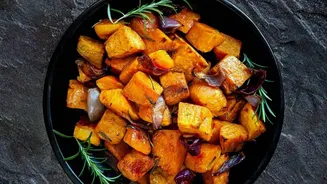




1. Sweet Potato: The Creamy Sweetener
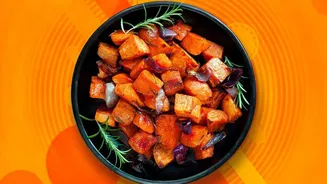
Often reserved for fasting days or street-side snacks, the sweet potato (or shakarkandi) is a versatile hero waiting to join your daily menu. Its defining feature is a natural, gentle sweetness and a wonderfully creamy texture when cooked. This makes
it an excellent replacement for regular potatoes in a mixed vegetable sabzi, where it lends a subtle sweetness that beautifully balances the heat of Indian spices. For a truly transformative touch, try adding a few cubes of boiled sweet potato to your regular dal. As the lentils cook, the sweet potato breaks down, thickening the dal and giving it a richer, slightly sweet undertone that is both surprising and comforting. You can also mash it with spices to create delicious, soft tikkis that are a healthier alternative to potato-based versions.
2. Beetroot: The Earthy Colour Bomb
Move over, salads. Beetroot (chukandar) has so much more to offer than its raw, crunchy form. When cooked, its flavour deepens into a rich, earthy sweetness that can elevate many savoury dishes. For a visual and flavourful twist, add grated beetroot to your chapati or paratha dough; the result is a vibrant, soft flatbread with a hint of sweetness. You can also roast and purée beetroots to create a stunning base for raita or to swirl into hummus. One of the most effective ways to use it is in a simple pulao. Sautéing finely chopped beetroot with your onions and spices will infuse the entire rice dish with a gorgeous pink hue and a deep, earthy flavour that pairs wonderfully with warm spices like cinnamon and cloves.
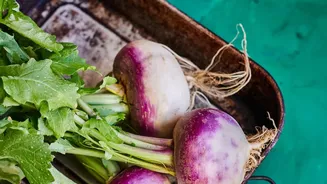
3. Turnip: The Peppery Powerhouse
The turnip (shalgam) is a classic winter vegetable that often gets a bad rap for being bitter, but when used correctly, its sharp, peppery character can be a huge asset. This quality allows it to cut through the richness of heavy dishes, providing a much-needed layer of complexity. Try adding cubed turnips to a hearty mutton or chicken curry. As it cooks, the turnip absorbs the flavours of the gravy while contributing its own pungent notes, balancing the fat and creating a more dynamic taste. For a milder application, you can roast turnips with carrots and potatoes; the heat mellows their sharpness and brings out a surprising sweetness. In South Indian cooking, finely chopped turnip is used to make a delicious poriyal, where it’s stir-fried with coconut and spices until tender.
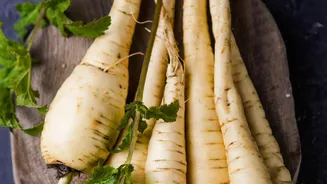
4. Parsnip: The Aromatic Secret Weapon
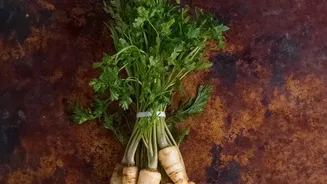
While not as common as carrots in every Indian kitchen, parsnips are worth seeking out for their unique and sophisticated flavour profile. A close relative of the carrot, the parsnip is sweeter, nuttier, and has delicate spicy notes reminiscent of nutmeg and pepper. Its aromatic qualities make it a fantastic 'secret ingredient'. The best way to unlock its potential is through roasting, which caramelises its natural sugars and intensifies its flavour. Add roasted parsnip sticks to your regular tray of roasted vegetables for a completely new dimension. You can also boil and mash them with potatoes for a more complex and flavourful side dish, or purée them into a creamy, velvety soup. Their sweet, spicy character pairs beautifully with warming Indian spices like cumin, coriander, and ginger.
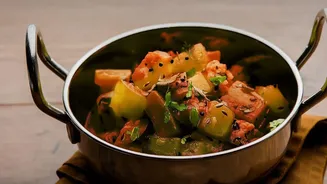
5. Yam: The Hearty, Meaty Foundation
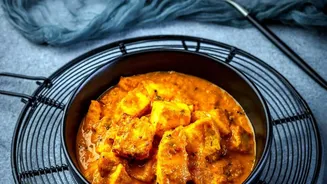
Known as suran or jimikand in different parts of India, the elephant foot yam is a dense, starchy tuber with a distinctly earthy flavour and a firm, almost meaty texture. This robust structure means it holds its shape well in gravies and absorbs spices beautifully, making it an excellent candidate for hearty curries and stir-fries. A simple suran ki sabzi, where cubes of yam are cooked in a flavourful onion-tomato masala, is a comforting and filling meal to have with rotis. Before cooking, it's often recommended to boil or fry the yam, sometimes with a souring agent like tamarind, to remove any potential for throat irritation caused by natural compounds in the tuber. Its ability to stand in for meat makes it a popular choice for rich, celebratory dishes in many households.