








A Landmark Step for Indian Railways
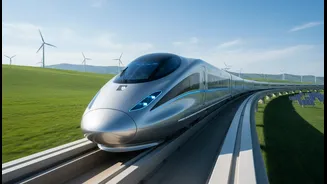
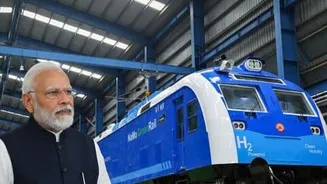
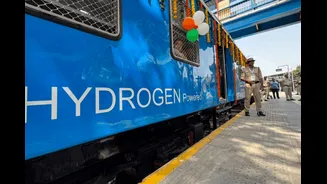
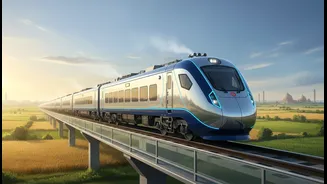
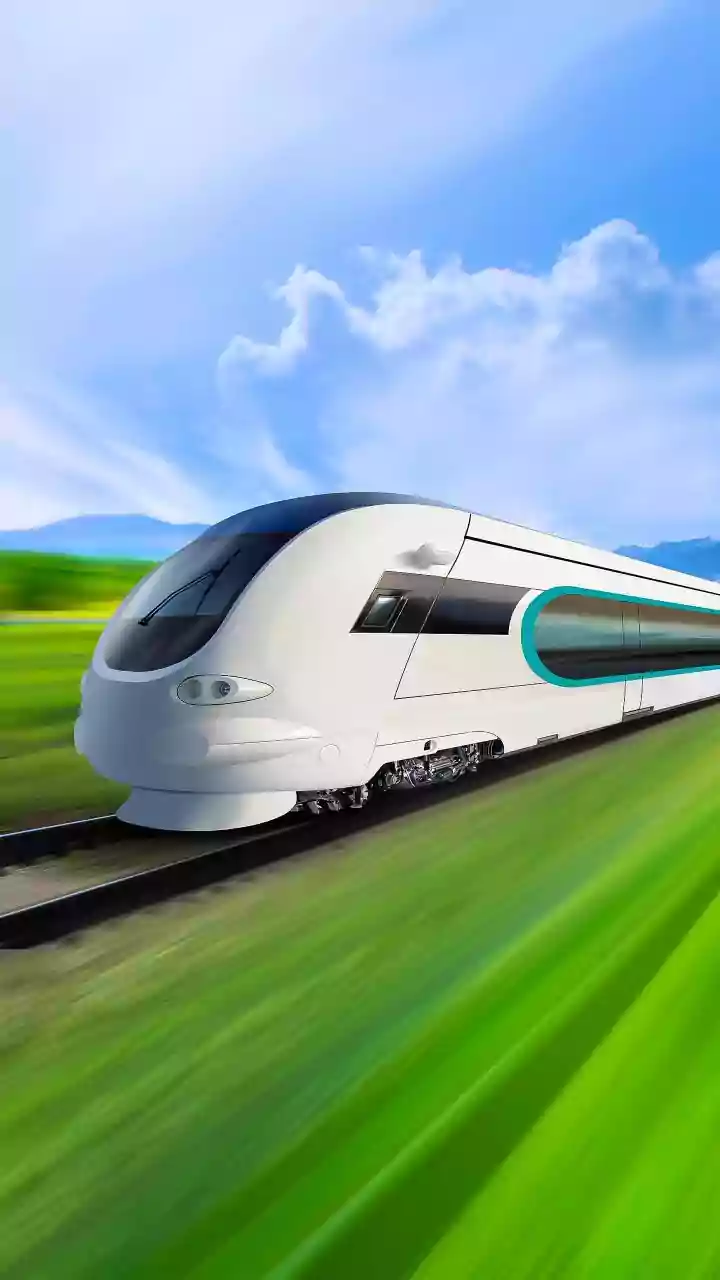
On July 17, 2026, India's first hydrogen-powered train was flagged off, marking a significant leap towards cleaner public transport. This pilot project, operating on the 89-kilometre stretch between Jind and Sonipat, is more than just a new train; it's
a comprehensive test of an entire green-energy ecosystem. The initiative includes not just the indigenously developed train but also dedicated hydrogen production, storage, and refuelling infrastructure established at Jind. The successful trials and launch place India among a select group of countries, including Germany and Japan, that are actively exploring hydrogen fuel for rail transport, signalling a major move towards achieving the nation's goal of a net-zero railway network.
How Does a Hydrogen Train Work?
At its core, a hydrogen train is an electric train that carries its own power plant. Instead of drawing electricity from overhead wires or burning diesel, it uses hydrogen fuel cells to generate power onboard. Inside the fuel cell, hydrogen stored in high-pressure tanks reacts with oxygen from the air in a chemical process. This electrochemical reaction produces electricity, which powers the motors that turn the wheels. The only byproduct of this clean process is water vapour, making it a zero-emission mode of transport at the point of use. The train, a retrofitted Diesel Electric Multiple Unit (DEMU), also features advanced systems like regenerative braking, which recovers energy when the train slows down to improve overall efficiency.
The Haryana Proving Ground
The Jind-Sonipat section was specifically chosen for this pilot to test the technology under real-world operating conditions. The 10-coach train, consisting of two power cars and eight passenger coaches, is set to make two round trips daily. With an operational speed of 75 kmph and a capacity for about 2,600 passengers, the service will provide invaluable data on performance, reliability, and maintenance requirements. A crucial part of the project is the state-of-the-art infrastructure at Jind, which features the country's largest railway hydrogen storage facility, capable of holding 3,000 kg of hydrogen, and a refuelling station to support the train's operations. Extensive safety measures, including multiple sensors for detecting leaks, heat, and flames, have been integrated into both the train and the ground facilities.
The Bigger Picture: A Greener Future
This pilot project is a cornerstone of Indian Railways' ambitious plan to achieve net-zero carbon emissions by 2030. While India has made huge strides in electrifying its rail network, hydrogen offers a promising solution for routes where electrification is geographically difficult or financially unviable, such as heritage and hill railways. The 'Hydrogen for Heritage' initiative plans to introduce 35 such trains on scenic routes. Beyond reducing pollution, this shift helps decrease India's dependence on imported diesel, bolstering energy security. The success of this pilot could also stimulate a broader national hydrogen economy, driving down costs and encouraging wider adoption of this clean fuel source across various sectors.
Challenges on the Track Ahead
Despite the immense potential, the journey to a hydrogen-powered railway network is not without its challenges. The primary hurdles are the high initial costs associated with producing green hydrogen, retrofitting trains, and building the necessary infrastructure. The technology's resilience in India's diverse and demanding operating conditions also needs to be proven over time. Furthermore, scaling up will require significant investment in creating a robust supply chain, from manufacturing electrolysers to training personnel for safe handling and maintenance. This pilot is the first crucial step in gathering the data needed to address these challenges and determine the economic and operational viability of a wider rollout.