

The Fiery Allure
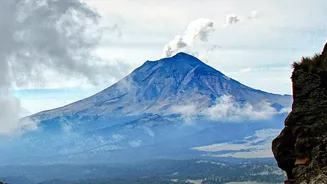
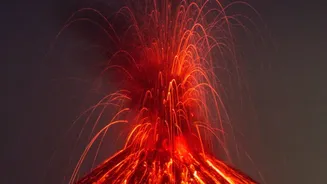
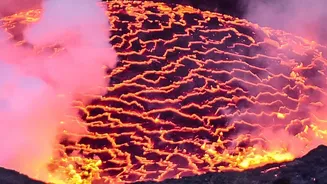
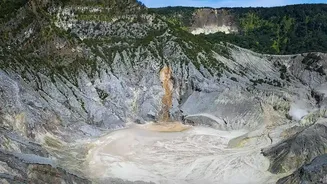
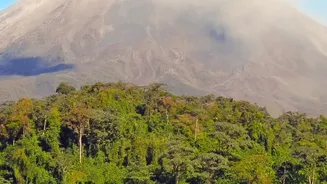
From the glowing lava flows of Iceland's Fagradalsfjall to the iconic silhouette of Italy's Mount Etna, active volcanoes offer a front-row seat to the Earth's most powerful creative forces. This fascination is driving a booming tourism sector. Travellers
are increasingly seeking experiences that are not just beautiful, but truly awe-inspiring. They hike crater rims, sail into calderas, and watch as new land is born. This desire for a connection to raw nature is the engine behind volcano tourism, but its energy can be harnessed for more than just adventure.
An Eruption of Economic Opportunity
When managed well, the influx of visitors can be a lifeline for towns and villages situated in the shadow of these giants. The economic benefits are tangible and widespread. For example, a 2024 report on Hawai'i Volcanoes National Park showed that visitors spent hundreds of millions of dollars in nearby communities, supporting thousands of jobs in sectors from lodging and restaurants to retail. This spending is not just a welcome bonus; for many, it becomes a primary source of livelihood. Local guides, small hotel owners, and craft market vendors all benefit from a steady stream of tourists, turning geological wonders into sustainable economic engines.
The Meaning of 'Responsible'
The key to unlocking these benefits without causing harm lies in the word "responsible." It is a multi-faceted concept that extends beyond simply following rules. Responsible tourism means prioritizing safety above all, using certified local guides, and respecting official closures and alert levels. It also involves a deep respect for the local environment and culture. This means staying on marked trails to protect fragile ecosystems, refraining from taking rock souvenirs, and being sensitive to the fact that many of these natural wonders are also sacred sites. For tour operators, responsibility includes providing clear safety briefings, having robust emergency plans, and ensuring that the economic benefits are distributed fairly within the community.
When Tourism Goes Wrong
The importance of these principles is starkly highlighted when things go wrong. The 2019 eruption of Whakaari/White Island in New Zealand served as a tragic reminder of the inherent dangers. The event, which resulted in multiple fatalities and injuries among tourists, prompted a global conversation about risk assessment and tour operator accountability. Dangers are not always as explosive as a sudden eruption. Invisible toxic gases like sulfur dioxide, unstable ground, and the risk of ashfall pose significant health and safety threats. These incidents underscore the fact that volcanoes are unpredictable and that safety protocols are not just suggestions—they are critical.
How to Be a Conscientious Volcano Tourist
As a traveller, your choices have a direct impact. To ensure your visit is a positive force, always do your research. Heed the advice of local authorities and volcano observatories—they are the experts. Choose tour operators who are transparent about their safety procedures and have strong ties to the local community. Look for companies that employ local guides and invest in local conservation or community projects. Pack appropriately with sturdy footwear, layers of clothing, and essentials like water and a first-aid kit. Never enter a closed area, no matter how safe it appears. By being a prepared and respectful visitor, you help ensure that the awe you feel contributes to the well-being of the people who call the volcano home.