



A Symphony of Flavours
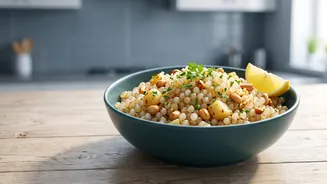
Imagine a plate of soft, fluffy flattened rice, gently steamed and tossed with turmeric, mustard seeds, and curry leaves. This savoury base is then layered with toppings: crunchy sev, sharp raw onions, fresh coriander, and a squeeze of tangy lemon. Sometimes,
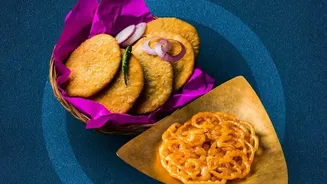
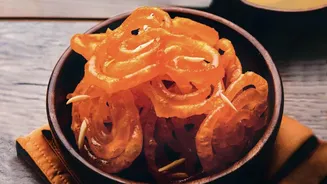
ruby-red pomegranate seeds are scattered on top. This is Indori poha, a dish perfected on the streets of Malwa. On the side sits its unlikely partner: a glistening, crisp, and syrupy jalebi. The combination might seem odd on paper, but on the palate, it’s a masterclass in contrast—sweet meets savoury, soft meets crunchy, and warm meets tangy. It’s a breakfast that doesn't just feed you; it wakes you up.
A Bite of History
This pairing is not an accident; it's a product of history. Poha, or flattened rice, travelled from Maharashtra to Madhya Pradesh with the Maratha Holkars in the 18th century. It was a simple, sustaining food. Jalebi, with its roots in the Middle East, arrived in India centuries earlier, becoming a festive sweet. In the cultural melting pot of the Malwa region, influenced by Maratha, Malwi, and Mughal tastes, these two dishes came together. The combination became a staple breakfast, a daily institution for everyone from office workers to students gathering at street stalls. It represents the unique culinary geography of central India, where different histories converged on a single plate.
The Tyranny of the Nutrition Label
Now, let’s address the elephant in the room: is it 'healthy'? Poha on its own is a perfectly respectable breakfast. It's light, easy to digest, low in calories, and a good source of carbohydrates and iron. When prepared with vegetables and peanuts, it's quite balanced. Jalebi, on the other hand, is a deep-fried sweet soaked in sugar syrup. No one would mistake it for a health food. But that is precisely the point. Judging this combination by its macronutrient profile alone is like evaluating a poem by its word count. It completely misses the essence of the experience. The modern obsession with reducing every meal to a set of numbers—calories, carbs, protein—strips away its cultural and emotional significance. It creates a sense of guilt around foods that have brought joy for generations.
Food for the Soul
Poha-jalebi is more than just sustenance; it’s a social event and a source of joy. It's about starting the day with friends at a bustling street corner, sharing a moment of simple pleasure before the chaos of the day begins. That feeling of connection and delight is a form of nourishment that no nutrition app can measure. In Indian culture, food has always been intrinsically linked with love, community, and celebration. We have a rich heritage of traditional breakfasts, from idli in the south to parathas in the north, each with its own cultural story. To apply a rigid, modern wellness lens to these traditions is to risk losing the very joy they are meant to provide. Not every meal needs to be optimized for physical performance. Some meals are simply meant to be enjoyed.