





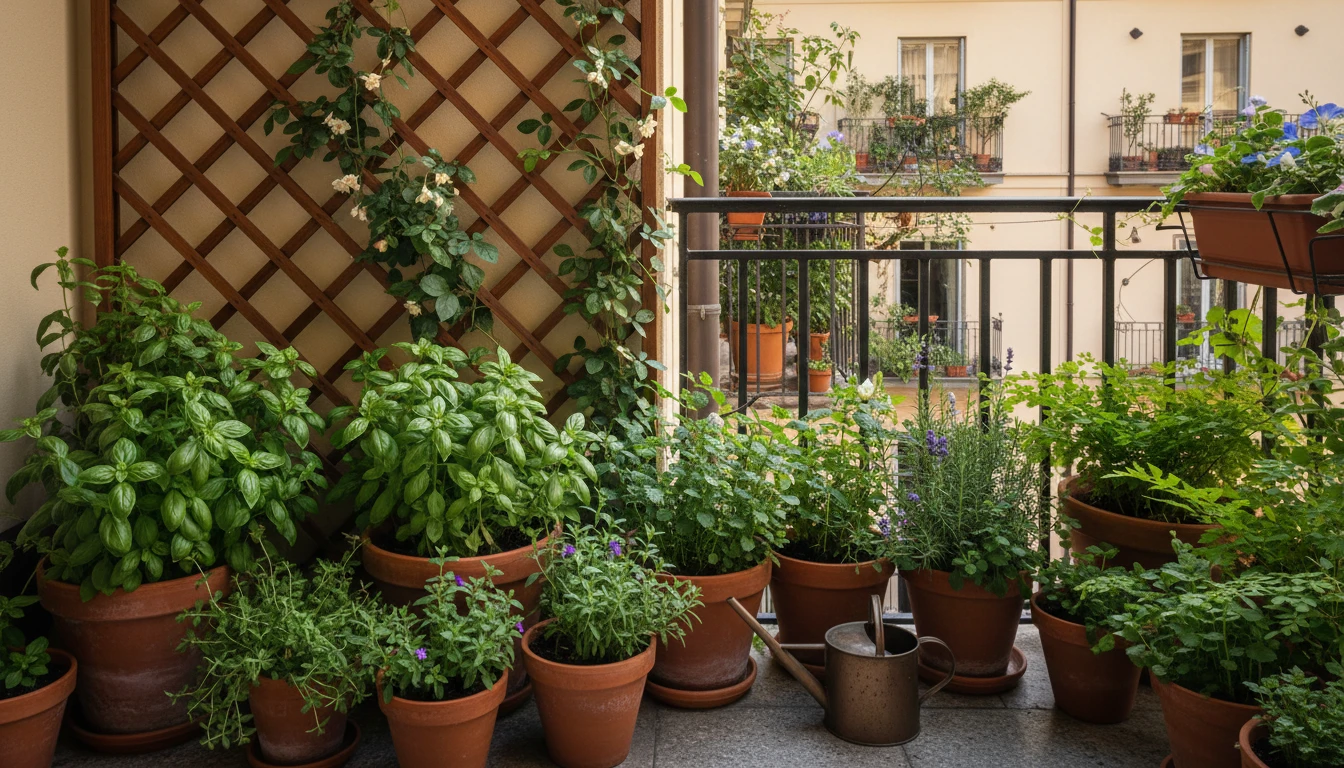




Why Balcony Weight Limits Matter
Every balcony is an engineered structure with a finite load-bearing capacity. Residential balconies are typically designed to support what's called a 'live load'—the temporary weight of people and furniture. In most modern buildings, this is around 40
to 60 pounds per square foot (psf). While that sounds like a lot, the weight of a garden can add up surprisingly fast, especially when concentrated in a small area. Overloading a balcony can lead to structural damage, cracks, or in the worst-case scenario, a catastrophic collapse. Understanding your specific balcony's limits isn't just about following rules; it's fundamental to keeping your home and everyone in and around it safe.
The Hidden Weight of a Garden
A few pots of flowers may seem harmless, but the real weight comes from soil and water. Dry potting mix is relatively light, but soil weight can more than double when fully saturated with water after a heavy rain. A single large planter can easily exceed several hundred pounds. For example, wet soil can weigh around 100 pounds per cubic foot. When you add the weight of a heavy ceramic or terracotta pot, plus the mature plant itself, you can quickly create a dangerously heavy point load—a concentrated force on one part of the structure. Calculating these weights before you buy is a critical step in responsible garden design.
How to Assess Your Balcony
The first step is to find your balcony's specific load capacity. For renters, this information should be available from your landlord or building management company. If you are a homeowner, you can find this in your building's structural documents. If this information isn't readily available, or if you have an older balcony, it is highly recommended to consult a structural engineer for a professional assessment. They can determine the exact capacity and check for any pre-existing weaknesses. Also, consider the type of balcony. A cantilevered balcony (one that juts out without visible supports underneath) may have different limitations than one supported by pillars or posts.
Smart Choices for a Lighter Garden
The good news is that you can have a stunning garden without overloading your balcony. The key is to make smart, lightweight choices. Instead of heavy terracotta or concrete pots, opt for containers made from plastic, fiberglass, resin, or fabric grow bags. These materials can mimic heavier styles but weigh a fraction of the amount. For soil, use a lightweight potting mix specifically designed for containers, and consider adding perlite or other materials to reduce density further. Vertical gardens, railing planters, and hanging baskets are also excellent ways to add greenery without concentrating a heavy load on the floor.
Distributing Weight Safely
How you arrange your garden is as important as what it's made of. A key principle is to distribute weight as evenly as possible. Avoid clustering all your heavy pots in one corner or along the outer edge. Instead, place the heaviest items closer to the building's structural wall, which is the strongest load-bearing point. Spreading planters out across the surface prevents the creation of dangerous pressure points. Using plant stands with multiple tiers can also help by distributing the weight of several small pots over a wider footprint.
Warning Signs to Watch For
Regularly inspect your balcony for any signs of stress or damage. For concrete balconies, look for new cracks, crumbling edges, or rust-coloured stains, which could indicate issues with the internal rebar. On wooden structures, check for soft, spongy spots, discoloration, or any signs of rot, especially where the balcony connects to the building. Loose or wobbly railings are another major red flag. If you notice any sagging, visible bowing, or feel excessive movement, you should remove all heavy items immediately and have the structure inspected professionally.