




The Daily Price of Disruption
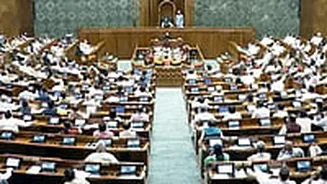
The most direct cost of a non-functional Parliament is the operational expense of running the institution. While official, up-to-the-minute figures are not released, a widely cited estimate pegs the cost of running Parliament at approximately ₹2.5 lakh
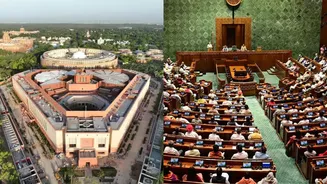
for every minute. This figure, though based on a calculation from over a decade ago, translates to about ₹1.5 crore per hour and nearly ₹9 crore for a typical six-hour sitting day. These expenses cover everything from salaries and allowances for Members of Parliament and staff, to security, electricity, and maintenance of the vast Parliament complex. Crucially, these costs are incurred whether any legislative work gets done or not. When a session is adjourned within minutes due to protests, the meter keeps running, and it's the public exchequer that foots the bill for zero productivity.
The Loss of Accountability and Scrutiny
Beyond the direct financial drain, parliamentary deadlocks cripple one of the most vital functions of a democracy: holding the government accountable. The 'Question Hour', the first hour of a sitting, is a crucial tool where MPs can ask direct questions to ministers about their policies and actions. Persistent disruptions frequently lead to the washout of this entire hour. This means critical questions about governance, public spending, and pressing national issues go unanswered. Furthermore, disruptions hinder the work of parliamentary committees, which are meant to provide detailed scrutiny of legislation away from the glare of the main chambers. Data shows a worrying trend of fewer bills being referred to committees for in-depth examination. When bills are passed in a noisy, chaotic environment without proper debate or committee review, the quality and robustness of our laws suffer.
The Indirect Economic Drag
The most significant, though hardest to quantify, cost is the delay of crucial economic and social legislation. When important bills related to economic reforms, infrastructure development, or changes in the legal framework get stuck in a logjam, the entire country pays a price. The principle of 'justice delayed is justice denied' can be extended to governance; development delayed is development denied. Stalled reforms can deter investment, slow down job creation, and impede the ease of doing business. For example, a bill aimed at simplifying the tax code or streamlining regulations for a key industry can have massive economic benefits. Every session it is delayed translates into lost opportunities for growth and prosperity. This creates a ripple effect, where political paralysis leads directly to economic stagnation, affecting livelihoods far beyond the walls of Parliament.
A Growing Trend of Lost Time
The problem is not isolated but part of a larger, concerning trend. Over the years, the number of sitting days for Parliament has been declining, meaning there is less time to begin with for legislative business. When this already limited time is further eroded by disruptions, productivity plummets. While some sessions can be highly productive, others are almost entirely lost to protests. The 17th Lok Sabha (2019-2024), for instance, is noted as having one of the lowest numbers of sitting days for a full-term government since 1952. This culture of disruption has become a normalised political strategy for both ruling and opposition parties, depending on who is in power. The result is a legislature that is convened for fewer days and works for even fewer hours, severely hampering its ability to perform its constitutional duties.