



A Predator's Remarkable Return
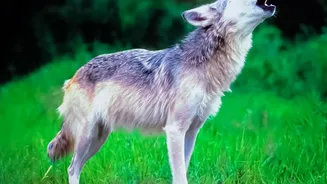
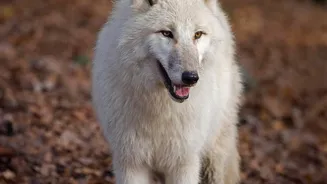
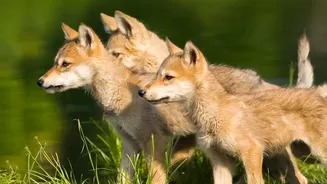
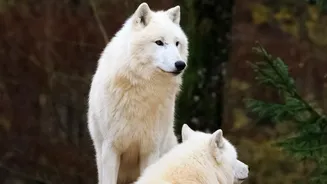
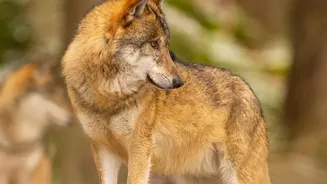
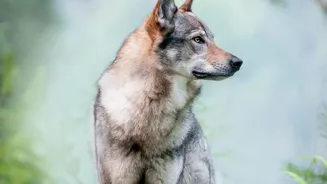
For centuries, the wolf was a ghost in Europe, hunted to near extinction and confined to the most remote pockets of the continent. But a quiet, dramatic comeback is underway. Thanks to decades of conservation efforts and legal protections, wolf populations
are rebounding across Europe. Recent estimates suggest there are now over 21,500 wolves across the continent, a significant increase over the last decade. From just a few strongholds in places like Italy and Spain, they have expanded their range by thousands of square kilometres, with packs now established in countries that haven't seen them for generations, including Germany, France, and even the Netherlands. This conservation success story has opened up a new frontier for wildlife enthusiasts seeking an experience that feels truly off the beaten path.
The Thrill of the Chase
Wolf tracking is not a safari. Sightings are rare, a fleeting glimpse of a shadow moving through the trees is a major victory. The experience is about patience, skill, and immersion in the wilderness. Tours are often led by expert biologists and local guides who teach visitors to read the landscape. Days are spent searching for tracks in the mud, identifying scat, listening for distant howls at dusk, and learning about the delicate balance of the ecosystem. It’s an active, engaging pursuit that connects you deeply to the environment. The real reward isn’t just seeing a wolf, but understanding its world. As one operator notes, even if the star attraction doesn't appear, the supporting cast of chamois, wild boar, eagles, and bison often makes for an unforgettable trip.
Europe's Wolf Watching Hotspots
Several regions have emerged as key destinations for this niche tourism. The Abruzzo region in Italy's Apennine Mountains is a prime location, offering a chance to see the Italian wolf subspecies in a landscape dotted with medieval villages. In northern Spain, the Cantabrian Mountains provide a rugged backdrop for tracking the Iberian wolf. The Carpathian Mountains in Romania host one of Europe's largest wolf populations, making it a reliable destination for year-round tours. For those seeking a different landscape, the wild forests of Poland and Finland offer chances to track wolves, sometimes in deep snow, alongside other elusive creatures like lynx and brown bears. Even the French Alps, a short distance from major resorts, now have established wolf packs that draw adventurous travellers.
A Howl for Coexistence
This new form of tourism offers more than just an adventure; it presents a potential model for human-wildlife coexistence. By bringing money into rural communities, wolf tourism provides a direct economic incentive for conservation. When local guides, family-run hotels, and restaurants benefit from the presence of wolves, it helps build tolerance and a sense of local pride in protecting them. Responsible tour operators often channel a portion of their profits directly into conservation projects, funding research and initiatives that help mitigate conflict between wolves and local farmers. Choosing an ethical tour ensures that your travel money is actively supporting the survival of these incredible animals and the remote communities that now live alongside them, turning a simple holiday into a powerful act of support for rewilding efforts.