



From Hair Repair to Scalp Health
For decades, the Indian haircare market has revolved around shampoos, conditioners, and oils promising shine, strength, and damage control. The primary focus was on the visible part of the hair. However, a significant shift is occurring. Consumers are now
looking deeper, recognising that issues like hair fall, dandruff, and dullness often begin at the root. This has given rise to a new category of products and a new mindset focused on scalp care. This change is driven by a growing awareness that a healthy scalp is the necessary foundation for healthy hair, influenced by everything from environmental stressors like pollution and hard water to lifestyle factors. The market is responding in a big way, with projections showing the Indian hair and scalp care market growing significantly, expected to reach over USD 9.8 billion by 2033.
The 'Skinification' of Hair Care
The core idea driving this movement is the 'skinification' of hair—treating the scalp with the same targeted care and ingredients once reserved for facial skin. Consumers are adopting multi-step routines that include exfoliating, cleansing, hydrating, and protecting the scalp. This has led to a boom in products like scalp serums, pre-shampoo treatments, detox masks, and exfoliating scrubs. Ingredients familiar to any skincare enthusiast—such as hyaluronic acid for hydration, salicylic acid for exfoliation, and niacinamide and peptides for barrier support—are now staples in advanced haircare formulations. This approach moves beyond temporary fixes, aiming for long-term hair health by creating a balanced and well-nourished environment for hair follicles to thrive.
What a Modern Scalp Routine Involves
Adopting a scalp-first routine doesn't mean discarding everything you know. It's about adding targeted steps. It often starts with exfoliation, using a physical scrub or a chemical exfoliant to remove dead skin cells and product buildup, which can clog follicles. This is followed by a gentle but thorough cleanse with a shampoo suited to your scalp's condition (oily, dry, or sensitive). The next step, borrowed directly from skincare, is treatment. This involves applying serums or tonics with active ingredients that address specific concerns like hair thinning, oiliness, or irritation. Finally, just like skin, the scalp needs hydration and protection. Lightweight leave-in treatments and conditioners can help maintain the scalp's moisture barrier without weighing down the hair.
Modern Science Meets Ancient Wisdom
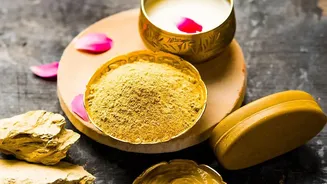
While this trend incorporates modern dermatological science, it also builds on India's deep-rooted traditions of hair and scalp wellness. The ritual of oiling, for instance, has always been a form of scalp care. Today's brands are blending this ancient wisdom with modern science. You'll find traditional Ayurvedic ingredients like amla, bhringraj, and neem being formulated into new, lightweight serum formats that are more convenient for urban lifestyles. This fusion offers consumers the best of both worlds: the trusted efficacy of traditional botanicals and the proven performance of contemporary active ingredients, creating products that feel both culturally resonant and scientifically credible.
The Rise of the Expert
As scalp care becomes more nuanced, consumers are increasingly turning to experts for guidance. Trichologists, who specialise in the science of hair and scalp health, are gaining prominence. They offer in-depth analysis and personalised treatment plans that go beyond what a simple product change can achieve, looking at factors like diet, lifestyle, and genetics. This move towards professional advice signifies a maturing market where people are willing to invest not just in products, but in understanding the root causes of their hair concerns. While a dermatologist is a medical doctor trained to manage all disorders of the skin, hair, and nails, a trichologist offers a specialised focus on hair and scalp conditions from a holistic perspective.