








Understanding the Gut-Brain Link
If you've ever felt 'butterflies' in your stomach, you've experienced the gut-brain axis in action. This complex communication network means that stress directly impacts your digestive system. When you're stressed, your body enters a 'fight-or-flight'
state, diverting energy away from functions like digestion. This can slow stomach emptying, alter gut motility, and increase sensitivity, leading to symptoms like cramping, bloating, and discomfort. Yoga helps by activating the 'rest-and-digest' system (the parasympathetic nervous system), which signals to your body that it's safe to relax and carry out normal digestive processes.
The Power of Mindful Breathing
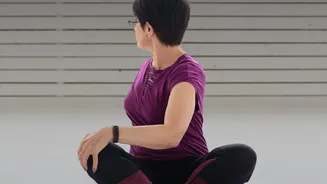
A core component of this practice is pranayama, or controlled breathing. Deep, diaphragmatic breathing—often called belly breathing—is particularly beneficial. When you inhale deeply, allowing your belly to expand, and exhale slowly, letting it fall, you are gently massaging your internal organs. This action helps stimulate peristalsis, the muscular waves that move food through your digestive tract. Focusing on your breath also calms the nervous system, reduces stress, and increases oxygenated blood flow to your digestive organs, enhancing their efficiency. Before you begin the poses, take a few moments to sit comfortably and practice this deep belly breathing.
A Gentle Routine for Digestive Relief
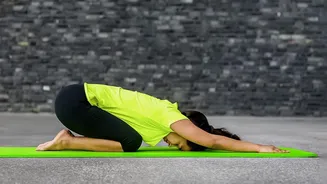
This beginner-friendly sequence is designed to be soothing. Move slowly, connect with your breath, and never push into pain. It's best to practice this routine a few hours after a meal, not immediately after eating.1. Cat-Cow Pose (Marjaryasana-Bitilasana): Start on your hands and knees. As you inhale, drop your belly and look up, creating an arch in your spine (Cow). As you exhale, round your spine, tucking your chin to your chest (Cat). This movement gently massages the abdominal organs and improves circulation. Flow between the two poses for 5-10 breaths.2. Wind-Relieving Pose (Pawanmuktasana): Lie on your back, and gently draw both knees toward your chest. You can hold your shins or the backs of your thighs. This pose applies gentle pressure to the abdomen, which can help release trapped gas. Hold for 5-8 slow breaths, perhaps rocking gently from side to side.3. Supine Spinal Twist (Supta Matsyendrasana): Still on your back, extend your arms out to a 'T' shape. Drop both knees over to your right side, keeping your shoulders grounded. Turn your head to look to the left if it's comfortable. Twists are renowned for stimulating digestion by compressing and then releasing the abdominal organs. Hold for 5 breaths, then gently return to the center and repeat on the other side.4. Child's Pose (Balasana): From your hands and knees, bring your big toes to touch and widen your knees slightly. Sit your hips back toward your heels and fold forward, resting your forehead on the mat. This resting pose creates a gentle compression on the belly while calming the entire nervous system.
Making it a Consistent Practice
The benefits of yoga for digestion grow with consistency. You don’t need to spend an hour on the mat; even 10-15 minutes of gentle, mindful movement can make a difference. This short routine can be done in the morning to get things moving or in the evening to wind down and soothe your system. Listening to your body is the most important part of the practice. Some days a gentle twist will feel great, while on other days, a simple Child's Pose may be all you need. The goal is to reduce stress and encourage gentle movement, creating a better environment for your digestive system to do its job effectively.