




The Temptation of a Superficial Fix
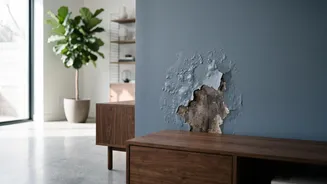
When faced with bubbly plaster and discoloured walls, reaching for a paintbrush feels proactive. It’s an immediate, visible improvement. Many paint brands even offer ‘damp-proof’ or ‘waterproof’ coatings, promising to seal the wall and end your woes.
These products can create a water-resistant film, which sounds like the perfect solution. However, this approach is like putting a bandage on a wound that needs stitches. While it covers the unsightly evidence, it does nothing to stop the source of the dampness. The moisture is still there, trapped behind this new layer of paint, and it will inevitably cause more problems.
Understanding the Real Enemy: Where Is the Water Coming From?
To solve dampness, you first need to play detective and identify its source. Moisture in walls generally comes from one of three culprits. Penetrating damp is when water from the outside gets in, often through cracks in external walls, faulty guttering, or poorly sealed window frames. Rising damp occurs when groundwater travels up from the foundations through the masonry—you’ll often see a 'tide mark' on the lower part of the wall. The most common issue, especially in homes with poor ventilation, is condensation. This happens when warm, moist air from cooking, showering, or even breathing hits a cold wall and turns back into water droplets. Each of these issues requires a different solution, and none of them can be fixed with paint alone.
Why Painting Over Damp Walls Fails
Painting over a damp wall is a waste of time and money because the underlying problem remains. Trapped moisture needs to escape, and as it pushes its way out, it will break the bond between the new paint and the wall. This leads to the familiar blistering, flaking, and peeling, often within just a few months. Furthermore, trapping moisture within the wall can make the situation worse. It creates a perfect breeding ground for mould and mildew, which can release spores that may aggravate allergies and respiratory conditions. The moisture can also lead to the slow decay of plaster and even cause structural damage to the building materials over time. So, that 'quick fix' has now become a recurring, and potentially more serious, problem.
The Correct Approach: Fix, Dry, Prepare, Paint
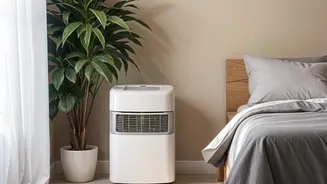
The permanent solution is a methodical, multi-step process. First, and most critically, you must find and fix the source of the water. This might mean repairing a leaking pipe, fixing cracks in your external walls, clearing a blocked gutter, or improving ventilation to reduce condensation. Once the source is stopped, the wall needs to dry out completely. This can take days or even weeks, depending on the extent of the dampness. Using a dehumidifier can speed up this process. Do not rush this step. Only when the wall is completely dry can you begin to prepare it for painting. This involves scraping away all the old, loose paint and damaged plaster, treating any lingering mould with a fungicide, and then applying a specialised waterproof sealer or primer before finally using your topcoat of paint.
Knowing When to Call a Professional
While some minor condensation issues can be managed with DIY solutions like improving ventilation, many damp problems require expert help. If you can’t identify the source of the leak, if the damp affects a large area, or if you see signs of rising damp like crumbling plaster and a white, salty residue, it is time to call in a professional. A building surveyor or a waterproofing specialist has the expertise and tools, like moisture meters, to accurately diagnose the problem and recommend the most effective long-term solution. Investing in a professional assessment can save you from repeated failed attempts and far greater repair costs in the future.