





Premier Parks for Elephant Safaris
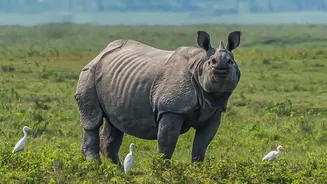
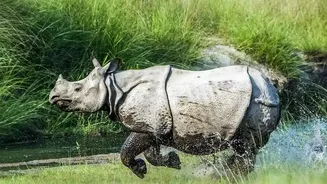
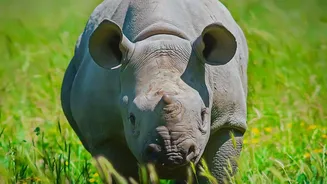
Assam is home to several national parks, but two stand out for their exceptional elephant safari experiences. Kaziranga National Park, a UNESCO World Heritage Site, is the most famous. It hosts the world's largest population of the one-horned rhinoceros,
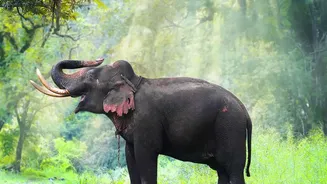
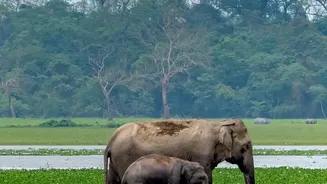
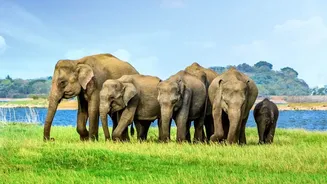
and an elephant safari here offers incredibly close encounters with these magnificent animals. The safaris typically operate in the Western (Bagori) and Central (Kohora) ranges, known for their high density of wildlife. The other prime location is Manas National Park, also a UNESCO World Heritage Site, nestled in the Himalayan foothills. Manas offers a different kind of beauty, with its mix of grasslands and dense forests. An elephant safari here, primarily in the Bansbari Zone, provides a chance to see not just rhinos, but also wild buffalo, deer, and the rare golden langur.
Understanding the 'Subject to Availability' Clause
The phrase 'subject to availability' is crucial for anyone planning this trip. Unlike jeep safaris, which have more capacity, elephant safari slots are extremely limited. This is due to several factors. Firstly, the number of trained elephants and mahouts (handlers) is finite. Secondly, park authorities regulate the number of daily rides to minimize stress on the animals and the environment. These safaris are only conducted in the early morning, usually in two shifts around 5:30 AM and 6:30 AM, further restricting the number of available spots. High demand during the peak tourist season from November to April means that slots get filled very quickly. Finally, operations are always at the discretion of the Forest Department and can be affected by weather, animal behaviour, or administrative decisions.
Navigating the Booking Process
Booking an elephant safari can be a challenge, and the process differs slightly between parks and booking methods. For Kaziranga, many slots are sold on-site at range offices on a first-come, first-served basis. This often requires queuing up very early in the morning, sometimes before dawn, especially during peak months. Some sources mention that booking the previous evening is also an option at certain counters. A more convenient, though often more expensive, route is to book through your hotel, resort, or a registered tour operator. These establishments often have pre-booked quotas or staff who can manage the booking process for you. While some government portals like Sewa Setu exist for online permits, the system for elephant safaris specifically can be confusing and may not always guarantee a slot. Advance booking, at least a few weeks ahead, is strongly recommended no matter which method you choose.
The Best Time to Go
The safari season in Assam's parks generally runs from November 1 to the end of April. The parks remain closed during the monsoon months (roughly May to October) due to heavy rains and flooding. The absolute best time for an elephant safari is during the winter months of December, January, and February. During this period, the weather is cool and pleasant for the early morning ride, the grasslands have been cut back after the monsoon, improving visibility, and animal activity is high. Spring (March and April) is also a good time, with fewer crowds, though the weather begins to get warmer.
Essential Tips and Alternatives
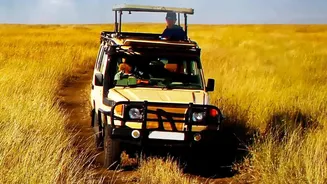
To maximize your chances, be flexible with your travel dates. If you're booking on-site, staying at a hotel near the park's entry gate for the range you wish to visit (e.g., Kohora or Bagori in Kaziranga) can give you a head start for the morning queue. Always carry your government-issued ID, as it is required for booking. If you are unable to secure an elephant safari slot, don't be disheartened. The jeep safaris in both Kaziranga and Manas are fantastic alternatives. They cover more ground, allowing you to explore different habitats within the park, from grasslands to wetlands and forests, offering a wide variety of wildlife and bird-watching opportunities. In many cases, doing both a jeep and an elephant safari provides the most complete park experience.