


The End of the Whistle-Stop Tour
For decades, the measure of a successful trip was how much you could squeeze in. A week-long holiday might involve hopping between three cities, changing hotels every other night, and racing through a packed itinerary of sightseeing spots. But travel
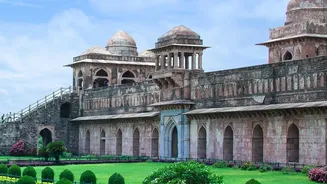
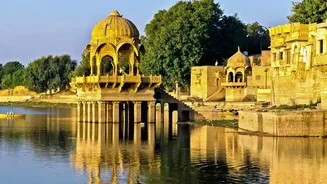
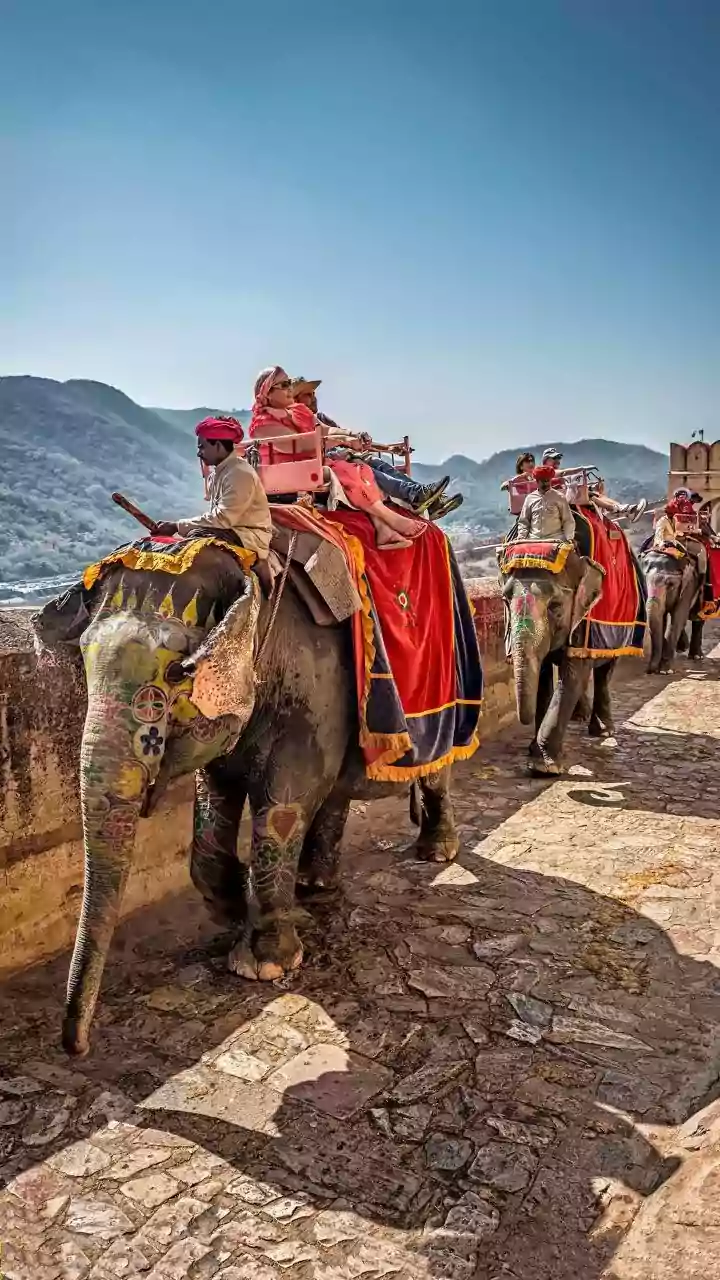
industry reports now show a clear shift in behaviour. Travellers are increasingly opting for single-destination holidays. According to a travel index by Thrillophilia, multi-city tours involving four or more stops have seen a significant decline, while single-base itineraries with day excursions have risen by over 35%. Instead of a frantic Jaipur-Jodhpur-Udaipur dash, families are choosing to spend five or six nights in just one city, allowing time for spontaneous discovery. This move away from “checklist tourism” suggests a maturing travel market where the quality of the experience is finally trumping the quantity of places seen.
Why We're Finally Slowing Down
Several factors are driving this change. The post-pandemic world has placed a renewed emphasis on mental well-being and avoiding burnout, even on vacation. Many are seeking rest and genuine relaxation, not a trip that requires another holiday to recover from. The rise of remote and hybrid work culture has also been a major catalyst. The “workation” or “bleisure” trip—blending professional responsibilities with leisure—has become mainstream. Professionals can work from a scenic location for a week, exploring in the evenings and on weekends, which naturally lends itself to longer stays in one place. Furthermore, there is a growing desire for more meaningful and authentic experiences. Reports suggest a majority of Indian travellers now prioritise local culture, food, and interactions over generic sightseeing, which is best achieved by staying put and immersing oneself in a place.
The New Holiday Blueprint
So, what does this new kind of holiday look like? It’s less about frantic movement and more about settling in. Accommodation choices are evolving accordingly, with a rising preference for vacation homes, apartments, and boutique stays that offer a more local feel and better value for longer durations. Instead of just visiting landmarks, travellers are using their downtime to explore neighbourhood cafes, browse local markets, take a cooking class, or simply enjoy unscheduled time by a pool or on a beach. This trend benefits destinations that encourage deeper engagement. Itineraries are becoming more flexible, sometimes disappearing altogether in favour of spontaneous discovery. This slower pace allows for a deeper connection with the destination, the local culture, and, most importantly, with one's travel companions. Medium-length trips of six to nine nights have emerged as a popular format for families and couples alike.
From Seeing Places to Feeling Them
Ultimately, this shift in holiday habits reflects a broader change in priorities, particularly among millennial and Gen Z travellers. The focus is moving away from the outward performance of travel—ticking boxes and posting photos—towards the internal experience of it. It’s a move from consumption to connection. Peace of mind has replaced price as the new definition of value for many. Travellers are willing to spend more on fewer, higher-quality trips that promise comfort, reliability, and genuine enrichment. This slower, more intentional approach to travel isn't just about being less busy; it's about seeking a more profound sense of place and returning from a trip feeling genuinely rested and inspired, not exhausted. The goal is no longer just to see the world, but to actually experience it.