





The Heart of the Matter
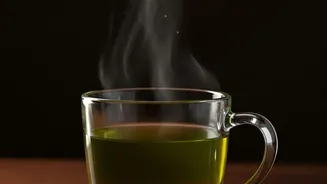
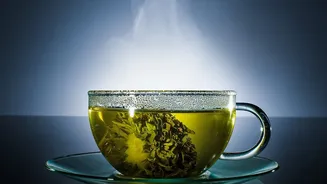
Recent studies, including a significant one from the University of Oxford, have highlighted a connection between consuming 'very hot' drinks and an increased risk of oesophageal squamous cell carcinoma (SCC), a type of cancer affecting the food pipe.
The research, which followed nearly a million people, found that those who preferred their drinks 'very hot' versus 'warm' had a significantly higher risk. It's important to note that the link is with a specific type of oesophageal cancer, SCC, and not another form known as adenocarcinoma. The findings build on earlier warnings from the World Health Organization's International Agency for Research on Cancer (IARC), which classified beverages hotter than 65°C as "probably carcinogenic to humans".
How Hot Is Too Hot?
The critical question is, what does 'very hot' actually mean? Most research points to a threshold of around 60°C to 65°C (140°F to 149°F). To put that in perspective, water boils at 100°C, and a freshly poured coffee or tea can easily be between 85°C and 95°C. Drinks above 65°C are generally considered scalding and are above the temperature most people can comfortably sip. A good rule of thumb is if you can't sip it comfortably without wincing, or if you have to wait for it to cool down, it's likely in the risk zone. One study found that many people perceive coffee to be too hot for comfort around 70°C.
Understanding the Science of Damage
The risk isn't from the tea or coffee itself, but from the temperature. Scientists believe the mechanism is 'thermal injury'. Repeatedly scalding the delicate lining of your oesophagus—the tube that carries food from your throat to your stomach—causes chronic inflammation. Over many years, this repeated cell damage and the constant need for repair can lead to cellular changes, which may eventually increase the likelihood of cancerous cells forming. This effect is thought to be magnified when combined with other major risk factors for oesophageal cancer, like smoking and alcohol consumption.
It's the Heat, Not the Habit
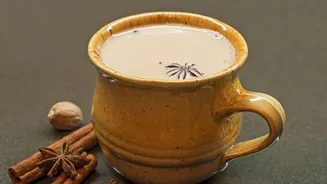
The good news is that you don't need to give up your beloved chai or coffee. In fact, when consumed at safe temperatures, coffee has been found to have no association with cancer risk and may even help reduce the risk of certain other cancers. The IARC was clear in its findings that it is the temperature, rather than the drinks themselves, that appears to be responsible for the increased oesophageal cancer risk. This means the solution isn't about abandoning your daily ritual, but simply adjusting it to be safer.
Simple Steps for Safer Sipping
Protecting your oesophagus is straightforward and doesn't require any drastic changes. The key is to simply let your drink cool down. Experts advise waiting a few minutes after pouring before you start sipping. A simple habit to adopt is to take a small test sip to gauge the temperature. Another effective method is to add cold milk or a splash of cool water, which can quickly bring the temperature down to a safer level. The goal is to drink your beverage when it's warm and pleasant, not scalding hot. By making these small tweaks, you can continue to enjoy your favourite drinks while significantly reducing any potential long-term risks.