





The Great Uncrowding
The latest 'Asia Travel Pulse' report from Agoda highlights a significant trend: 55% of Indian travellers plan to visit lesser-known destinations in 2027. This figure is the highest across 11 Asian markets surveyed and towers over the regional average
of 36%. It signals a clear pivot away from tourist-heavy hotspots towards what many are calling 'offbeat' or 'hidden gem' locations. This isn't just about avoiding queues; it's a conscious decision to seek out more personal and unique travel experiences, a trend that has been building since the post-pandemic travel boom.
Why Calm is a Top Commodity
The search for quiet is a direct reaction to the well-documented problem of overtourism. Popular destinations from Shimla to Goa have been straining under the pressure of visitor numbers, leading to traffic congestion, environmental stress, and a diluted travel experience. Indian travellers are now actively seeking to escape this chaos. The motivation is twofold: a desire for relaxation and a quest for authenticity. Many are tired of social media-driven 'Instagrammable' spots that are swarmed with people. Instead, they crave genuine cultural exploration and the chance to connect with a place on a deeper level, something that's difficult to achieve in a crowd.
The New Definition of a 'Destination'
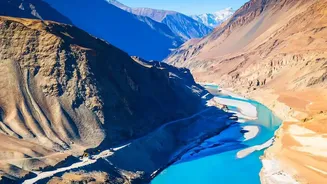
So, what does a 'quiet' destination look like? It doesn't necessarily mean complete isolation. Instead, it refers to places that offer a different pace. Think spiritual journeys, outdoor adventures, and cultural immersion. The Agoda report notes a surge in searches for places like Pushkar, Dharamshala, and Leh, which offer a blend of spirituality and natural beauty. Domestically, destinations such as Chikmagalur in Karnataka, Gurez Valley in Jammu & Kashmir, and parts of the Northeast like Jorhat and Majuli in Assam are gaining traction. Internationally, places like Luang Prabang in Laos or Rayong in Thailand are appealing to those who want a slower, more unhurried coastal or cultural break.
The Rise of the 'Slow Traveller'
This shift in destination preference is part of a larger global movement known as 'slow travel'. The philosophy is simple: depth over distance. It encourages staying longer in one place, leaving parts of the itinerary unplanned, and prioritising connection with local life over a rushed checklist of sights. The Agoda report supports this, finding that 26% of Indian travellers plan for their trips to last between eight and 12 days in 2027, significantly higher than the Asian average of 15%. This approach not only leads to a more restful and memorable holiday but also reduces the fatigue and environmental impact of constant transit.
Planning Your Own Peaceful Escape
For those looking to join the trend, planning a quieter trip is about changing your mindset. Start by exploring regions instead of just cities. Instead of rushing through multiple stops, choose one base and explore it thoroughly. Look for destinations known for specific experiences, like outdoor adventure or wellness, which are key motivators for Indian travellers. According to the Agoda survey, 42% cite outdoor activities as a key reason to travel. Ultimately, it’s about swapping the fear of missing out for the joy of truly being present, allowing for the spontaneous, unscripted moments that often become the most cherished memories of a journey.