







The Myth of the Magic Breakfast
We've all heard the claims: eat this one specific breakfast to melt fat away. The idea is tempting because it's simple. It suggests that if you just get the first meal of the day right, the rest will fall into place. However, this line of thinking oversimplifies
how our bodies work. While a nutritious breakfast is undoubtedly beneficial, no single meal can act as a silver bullet for weight loss. Research shows that the overall daily calorie intake is what primarily dictates weight change. You can eat the 'healthiest' breakfast in the world, but if your total energy intake from lunch, dinner, and snacks exceeds what your body burns, you won't lose weight. This is the fundamental principle of energy balance.
It’s a Full-Day Marathon, Not a Morning Sprint
Think of your daily diet as a budget. A healthy breakfast gives you a great start, but you still have to manage your 'spending' for the rest of the day. A holistic approach that considers your entire well-being—mind, body, and daily habits—is far more effective for long-term success. For instance, a 300-calorie breakfast packed with protein and fibre is a fantastic choice. But its benefits can be quickly erased by a high-calorie, sugary drink mid-morning, a large portion of fried food for lunch, and mindless snacking in the evening. Ultimately, weight management is about consistency across all meals, not perfection in one. Studies show that maintaining a consistent daily calorie intake is more strongly associated with weight loss than the specific timing of meals.
What Makes a Breakfast 'Weight-Loss Friendly'?
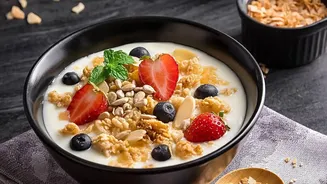
While not a magic solution on its own, a well-structured breakfast can certainly support your weight loss goals by setting you up for success. The key is to build a meal that promotes satiety (the feeling of fullness) and provides sustained energy. A breakfast that excels at this will typically contain a balance of three key macronutrients. Protein is crucial, with studies suggesting 20-30 grams in the morning can help reduce hunger later in the day. Good sources include eggs, Greek yogurt, and cottage cheese. Fibre, from sources like oats, whole grains, fruits, and vegetables, slows digestion and helps stabilise blood sugar. Healthy fats from foods like avocados or nuts also contribute to feeling full and satisfied for longer. This combination helps prevent the mid-morning energy crash and subsequent craving for high-sugar snacks.
Building a Balanced Daily Plan
So, how do you translate this into a practical, all-day strategy? Start by viewing your meals as interconnected parts of a whole. If you know you have a dinner social in the evening, you might opt for a lighter lunch. The goal isn't to restrict yourself punitively but to be mindful of your overall daily balance. Planning can be a powerful tool. Having a few 'go-to' healthy meals for breakfast, lunch, and dinner can reduce decision fatigue, which often leads to less healthy choices. Prep snacks like sliced vegetables, fruits, or a small portion of nuts to have on hand. This prevents you from reaching for processed snacks when hunger strikes. Remember, consistency beats short-term perfection every time. Creating a sustainable eating pattern that you can stick with is the true secret to achieving and maintaining a healthy weight.