



The Science of the Simple Soak
For centuries, cultures around the world have turned to warm water for healing and relaxation. This practice, known as hydrotherapy, isn't just an old wives' tale; it's grounded in real physiological responses. When you immerse your body in warm water,
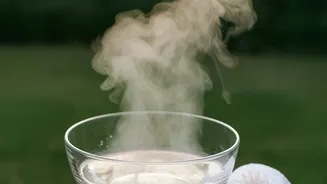
a series of beneficial changes occur. The heat causes your blood vessels to widen, a process called vasodilation. This increases blood flow, sending more oxygen and nutrients to your muscles and tissues while helping to carry away metabolic waste. At the same time, the water's buoyancy reduces the effect of gravity on your body, taking the pressure off tired joints and muscles. This combination of heat and buoyancy creates a powerful therapeutic effect, promoting muscle relaxation and easing stiffness without any additives at all.
More Than Just Muscle Relief
The benefits of a warm soak extend far beyond your muscles. Immersing yourself in warm water has a profound effect on your nervous system, helping to reduce the production of stress-related hormones like cortisol. This calming effect can alleviate tension and anxiety, providing a mental reset after a challenging day. A nightly bath can also be a powerful tool for improving sleep. While it might seem counterintuitive, raising your body temperature in a warm bath about an hour or two before bed helps facilitate the natural drop in core body temperature needed to initiate sleep. Studies have shown this can lead to falling asleep faster and experiencing a deeper, more restful sleep. Furthermore, this simple ritual can help improve cardiovascular function over time by gently increasing heart rate and lowering blood pressure, mimicking some of the effects of light exercise.
The Question of Fragrance
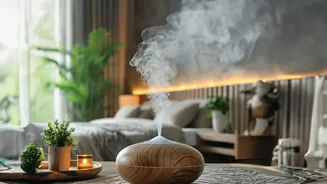
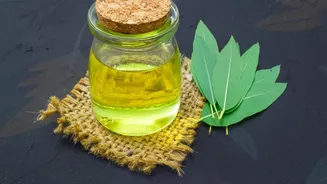
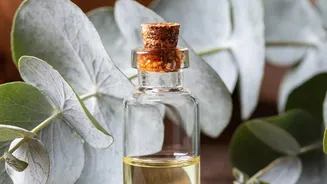
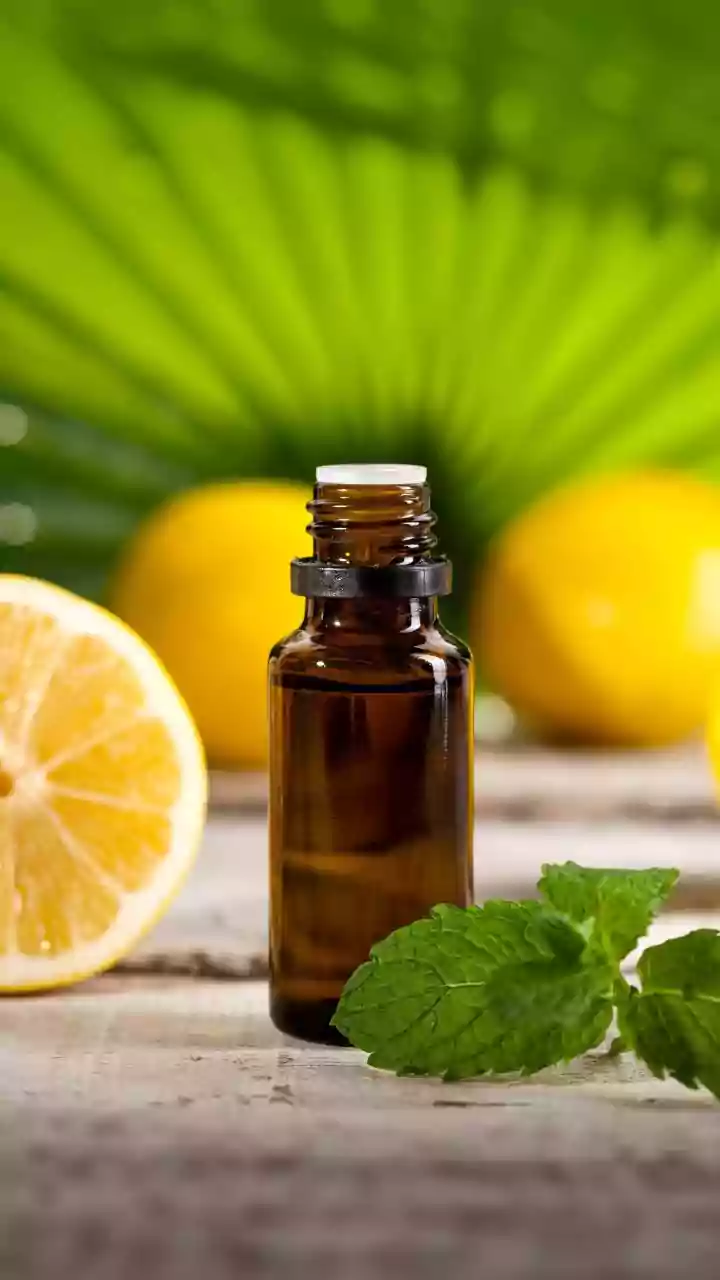
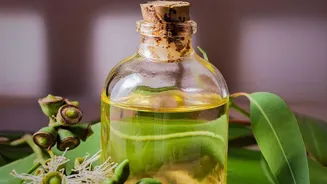
The modern bath is often synonymous with scent, from floral bath bombs to invigorating essential oils. While aromatherapy can certainly enhance the bathing experience through the psychological power of scent, it’s crucial to understand what you're adding to your tub. Many commercial products use synthetic 'fragrance oils' which are chemical concoctions that can contain phthalates and other irritants. These can cause skin reactions and offer no therapeutic benefit beyond their smell. Natural essential oils are a better alternative, with specific oils like lavender known for relaxation or eucalyptus for respiratory support. However, they are highly concentrated plant extracts and are not a necessary component for a beneficial bath. The primary health benefits—muscle relaxation, improved circulation, and stress reduction—come from the warm water itself. Scents are simply an optional enhancement.
When Additives Can Do Harm
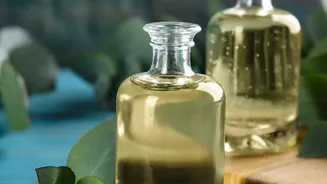
Adding oils directly to your bathwater can be a significant mistake. Because oil and water don't mix, essential oils will not disperse. Instead, they float on the surface in concentrated droplets. When you get in, these undiluted droplets can adhere to your skin, leading to irritation, stinging, or even a painful burning sensation, particularly with 'hot' oils like cinnamon, clove, or oregano. Even seemingly gentle oils can cause a reaction in sensitive areas, a risk that is magnified as the warm water opens your pores and increases absorption. If you choose to use essential oils, it is vital to dilute them first by mixing a few drops into a carrier oil like jojoba or coconut oil before adding them to the bath. This helps disperse them more safely, but it underscores the fact that the simplest, most foolproof bath is one without any oils at all.
Perfecting Your Water-Only Bath
To get the most out of your simple soak, a few small adjustments can make a big difference. First, pay attention to the temperature. The ideal range is warm, not scalding—somewhere between 36°C and 40°C is perfect for relaxation without stripping your skin of its natural oils. Aim for a soak of around 20 minutes; this is long enough to reap the benefits without overdoing it. Create a calming atmosphere by dimming the lights, lighting a candle, or playing soft music. This helps signal to your brain that it's time to unwind. When you’re finished, pat your skin dry gently and apply a simple moisturiser to lock in hydration. Finally, be sure to drink a glass of water, as the warm soak can be dehydrating. This simple, screen-free ritual allows the therapeutic properties of warm water to work their magic, offering a complete wellness experience without a single additive.