



Breaking Down the October Surge
The numbers for October 2026 paint a clear picture of an industry hitting its stride. Retail sales of electric passenger vehicles reached 37,049 units, a remarkable 76.47% increase compared to the 20,995 units sold in October 2025. This dramatic year-on-year
growth is especially significant when contrasted with the overall passenger vehicle market, which saw a decline. As a result, the market share of electric cars in new vehicle registrations jumped to 7.3% in October 2026, more than doubling from 3.5% just a year prior. This indicates that the momentum for EVs is not just a fleeting trend but a fundamental reshaping of India's automotive landscape.
Tata Motors Leads, But Competition Heats Up
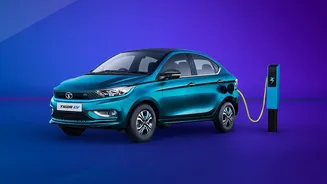
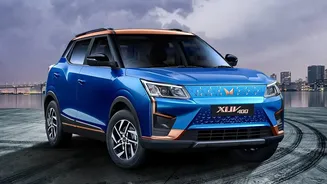
While Tata Motors continues its reign as the dominant force in the EV space, the market is becoming more competitive. Tata retailed 14,669 electric cars in October, marking impressive 77.6% year-on-year growth. However, rivals are rapidly gaining ground. Mahindra & Mahindra secured a strong second place with 8,538 units, an 85.7% increase from the previous year. JSW MG Motor India also maintained its robust presence, selling 5,939 units. Together, these top three manufacturers accounted for nearly 79% of all electric car sales in the month. The entry and scaling of new players like Vietnam's VinFast, which has quickly captured a 5% market share since its recent entry, along with offerings from Kia, Maruti, and Hyundai, are diversifying choices for consumers and intensifying competition.
Government Policy and Incentives Pave the Way
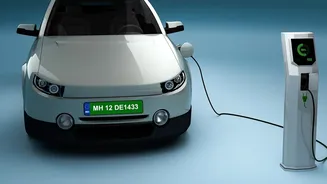
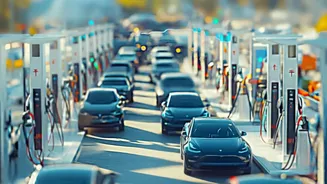
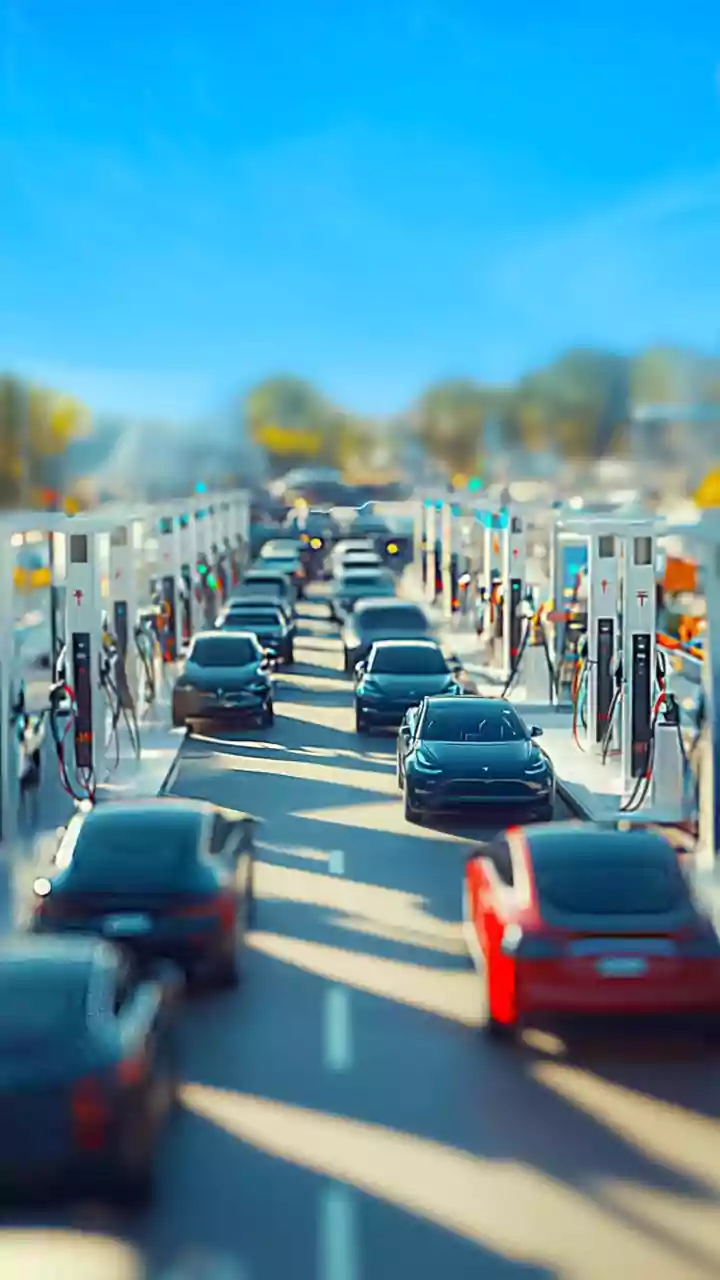
A key driver of this electric surge is the supportive policy environment created by both central and state governments. While schemes like FAME-II have concluded, new initiatives like the PM E-DRIVE scheme continue to bolster the ecosystem, particularly by funding public charging infrastructure. The government has allocated significant funds to install tens of thousands of chargers across highways and urban centres, directly addressing 'range anxiety', a major concern for potential EV buyers. Furthermore, state-level EV policies provide direct benefits to consumers through road tax waivers and, in some cases, purchase subsidies. The reduced Goods and Services Tax (GST) of just 5% on electric vehicles, compared to much higher rates for petrol and diesel cars, provides a significant upfront cost advantage.
More Models, Better Choices, and Lower Costs
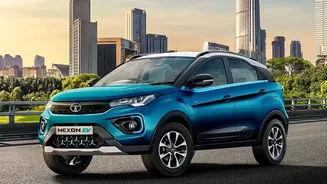
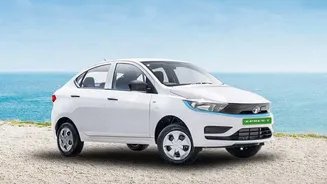
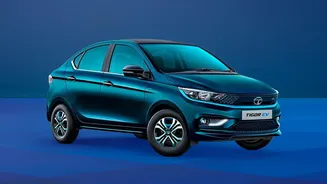
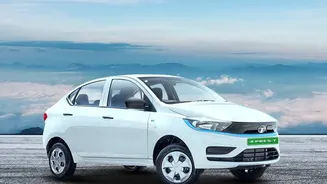
Indian car buyers in 2026 have a wider and more appealing range of electric vehicles to choose from than ever before. Models like the Tata Punch EV, Nexon EV, and Tiago EV have proven immensely popular, while competitors such as the Mahindra XUV400 EV and MG Comet continue to attract buyers. The expansion of model line-ups across various price points means there is an EV to suit different budgets and needs, from compact city cars to family-sized SUVs. Beyond the initial purchase, the lower running costs of EVs are a powerful motivator. With rising and unpredictable petrol prices, the savings on fuel and maintenance are becoming a decisive factor for many households and commercial operators.
The Road Ahead: Opportunities and Challenges
The impressive growth in October is part of a larger trend, with India's total EV sales for 2026 already having crossed the 3 lakh mark by early November, a 66% increase over the previous year. The future looks bright, with analysts predicting a compound annual growth rate of over 50% for the Indian EV market in the coming years. However, challenges remain. While the charging network is expanding, it needs to keep pace with the rapid sales growth to ensure convenience for all drivers. Battery costs, though declining, are still a significant portion of an EV's price tag, and further localisation of battery manufacturing will be crucial for long-term affordability and supply chain stability. The industry's ability to navigate these hurdles will determine the speed and scale of India's journey toward an all-electric future.