



A Celestial Event for the Digital Age
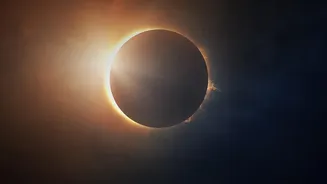
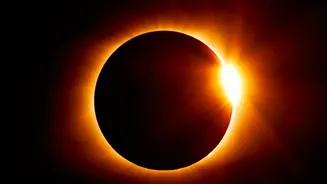
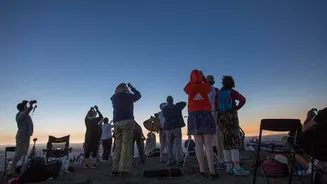
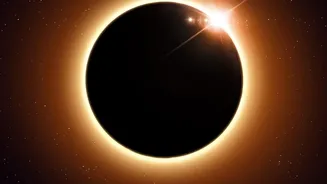
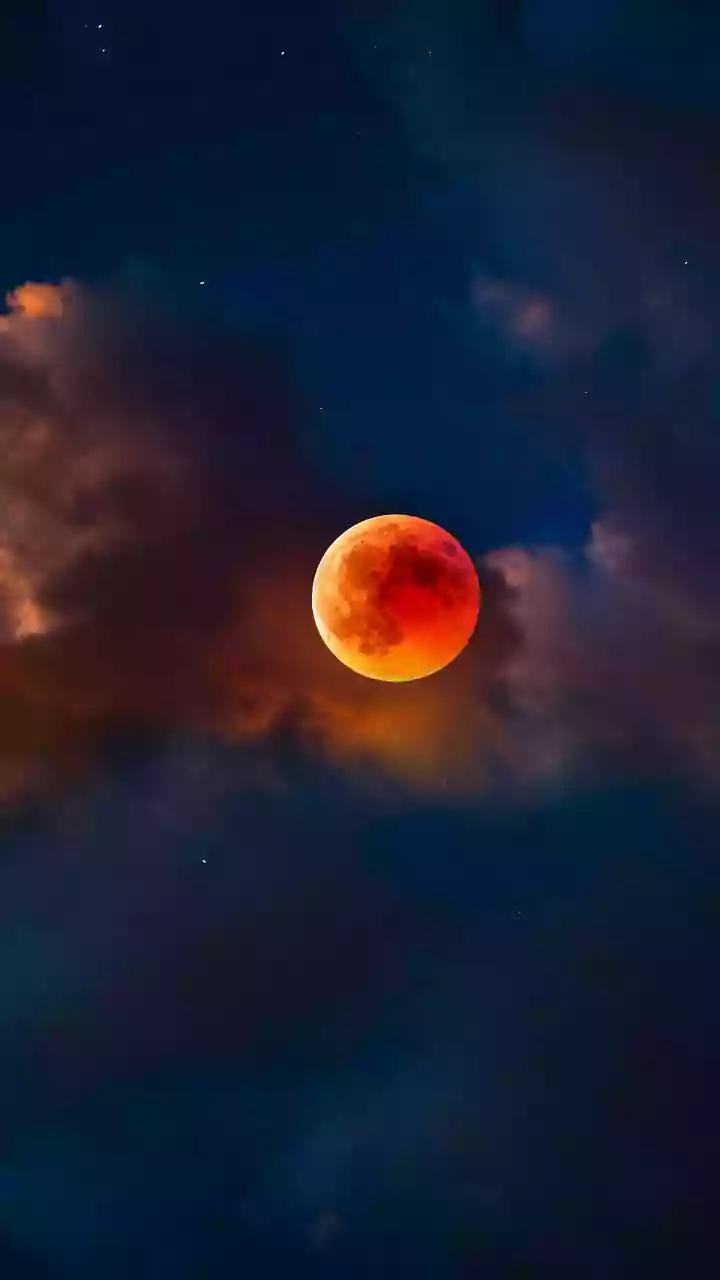
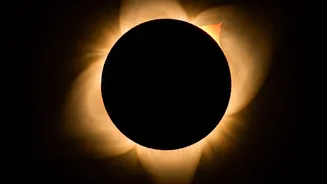
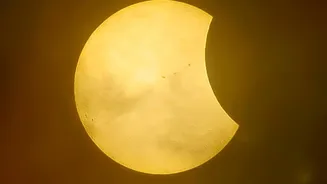
As the moon's shadow raced across parts of Europe, millions of Indians joined the global audience online. Social media platforms were flooded with breathtaking images and livestreams from NASA and other agencies. For a generation fluent in digital sharing,
the eclipse was a collective experience, a moment of scientific awe celebrated with hashtags and viral videos. It represented a modern way of participating in a celestial event: not by direct sight, but through a global, interconnected network. This digital engagement transformed the eclipse from a distant astronomical phenomenon into an immediate, visually stunning cultural moment shared by millions.
Ancient Customs and Enduring Beliefs
In stark contrast to the online frenzy, many households across India observed the eclipse period with caution, adhering to age-old customs. These traditions, rooted in Hindu mythology and astrology, view an eclipse, or 'grahan', as an inauspicious event. Common practices include fasting, as it's believed food cooked during an eclipse can become impure. Pregnant women are often advised to stay indoors to protect the unborn child from supposed negative energies, a belief that persists despite a lack of scientific evidence. Temples typically close their doors, and many people take a ritual bath after the eclipse to cleanse themselves. These customs are not just superstitions, but are deeply woven into the cultural fabric, passed down through generations.
The Legend of Rahu and Ketu
The foundation of these beliefs lies in the dramatic mythological story of Rahu and Ketu. According to the Puranas, during the 'Samudra Manthan' (the churning of the cosmic ocean), the demon Svarbhanu disguised himself as a god to drink the nectar of immortality. The Sun (Surya) and Moon (Chandra) gods spotted the deception and alerted Lord Vishnu, who then severed the demon's head with his Sudarshana Chakra. Because the nectar had passed his throat, both the head, Rahu, and the body, Ketu, became immortal. Filled with vengeance, Rahu is said to endlessly chase the sun and moon, and an eclipse occurs when he periodically succeeds in swallowing one of them. Since Rahu has no body, the sun or moon soon re-emerges, but the period of the 'grahan' is seen as a time of cosmic struggle.
A Modern-Day Crossroads
The differing reactions to the eclipse perfectly illustrate the complex duality of modern India. On one hand, the nation is a rising scientific power, home to a tech-savvy population that celebrates astronomical events with enthusiasm. On the other, it is a land where ancient traditions and spiritual beliefs continue to shape daily life for a significant portion of the population. This isn't a simple conflict between science and superstition. For many, these two worlds coexist. It's not uncommon for someone to post eclipse photos on Instagram while also observing a fast at their parents' request. This reflects a society navigating its relationship with tradition, modernity, faith, and scientific inquiry all at once.