





A Vision for a Connected India
While work continues on the country's inaugural Mumbai-Ahmedabad High-Speed Rail corridor, the government has unveiled a far more ambitious second act. Announced in the 2026-27 Union Budget, this plan envisions a sprawling network connecting major economic
and cultural hubs across the nation. The proposal, managed by the National High Speed Rail Corporation Limited (NHSRCL), represents a strategic push to modernise infrastructure, boost economic activity, and slash travel times between some of India's most populous cities. This isn't just about adding more lines; it's about creating a blueprint for the future of Indian mobility.
The Seven Proposed Corridors
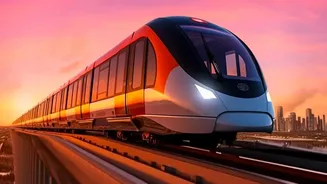
The proposed network strategically crisscrosses the country, focusing on high-traffic commercial and industrial routes. The seven corridors are: Delhi to Varanasi, a key artery in the north; Varanasi to Siliguri, extending connectivity towards the northeast; a southern triangle connecting Chennai, Bengaluru, and Hyderabad; and a western cluster linking Mumbai, Pune, and Hyderabad. These routes would transform travel. For example, the journey between Chennai and Bengaluru could shrink to just over 70 minutes, while Mumbai to Pune could take less than 50 minutes. The Delhi-Varanasi line alone could cut a lengthy train journey to under four hours.
A Standardised 'Make in India' Approach
Perhaps the most significant aspect of this new plan is the strategy behind it. Learning from the bespoke design of the Mumbai-Ahmedabad line, the NHSRCL plans to create a single, standardised design for all seven new corridors. This 'design once, build everywhere' philosophy covers everything from viaducts and tunnels to stations and signaling systems. Developed in partnership with India's top technical institutes like the IITs, this approach is expected to significantly speed up construction, reduce costs, and ensure consistent quality and safety standards across the network. It also lays the groundwork for creating indigenous Indian high-speed rail specifications, with a strong focus on the 'Make in India' initiative to build a domestic manufacturing ecosystem for high-speed technology.
From Proposal to Reality
The headline's crucial qualifier, "if approved," highlights that this vision is still in its early stages. The journey from proposal to a fully functional bullet train is long and complex. Each corridor must undergo a rigorous approval process. First, Detailed Project Reports (DPRs) are prepared to assess the route's technical and economic feasibility. According to officials, DPRs for several of these corridors are already sanctioned or underway. Once the DPR is submitted and reviewed, the project requires final approval from the Union Cabinet, which involves securing funding and planning for the immense task of land acquisition. While the ambition is clear, the path requires meticulous planning and significant financial commitment.
Lessons from the First Corridor
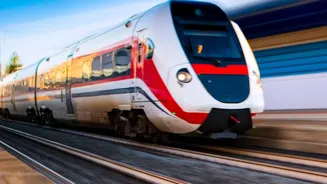
The experience with the ongoing Mumbai-Ahmedabad project serves as both a blueprint and a reality check. The 508-km line, being built with Japanese Shinkansen technology, has provided invaluable experience in construction, project management, and technology absorption. The first section of this corridor is targeted for launch in August 2027, with full completion expected by 2029. The challenges faced in land acquisition and the complexities of building through dense areas have informed the standardised, modular approach for the new corridors. This first project is effectively the foundation upon which the next 4,000 kilometres will be built, ensuring the lessons learned are applied to make future rollouts faster and more efficient.