





Think Vertically, Not Horizontally
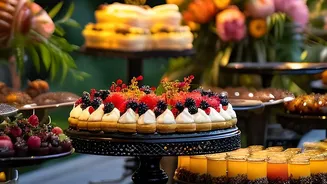
The single most effective trick for saving space is to go vertical. Instead of spreading everything out on one level, use tiered serving stands and cake pedestals to draw the eye upward and create a sense of grandeur. A two or three-tiered stand can hold
cupcakes, cookies, or mini tarts, instantly freeing up valuable table real estate for other items. This approach not only maximizes a small surface but also creates a more dynamic and professional-looking display. Place your tallest item, like a tiered cake stand, in the back or center to act as a focal point without blocking smaller treats.
Choose Petite and Bite-Sized Treats
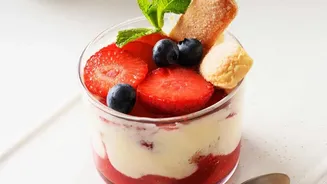
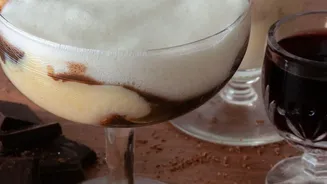
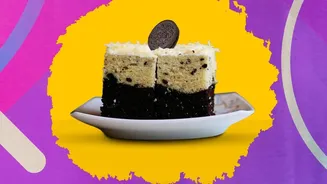
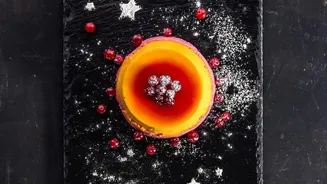
When space is tight, a large cake can dominate the entire table. Instead, opt for a variety of mini desserts. Think bite-sized brownies, mini cheesecakes, macarons, cake pops, and individual dessert jars filled with pudding or layered mousse. These smaller treats allow you to offer a wide assortment of flavours and textures without overcrowding the display. Guests often enjoy sampling several different items, and single-serving desserts are easy to grab and eat, which is perfect for a relaxed party atmosphere.
Select a Cohesive Colour Palette
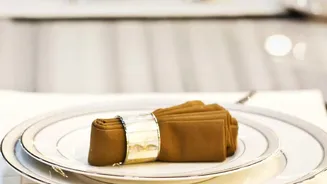
A unified colour scheme is key to making a small display look intentional and polished, rather than cluttered. Choose two or three complementary colours and stick to them for your desserts, decorations, and even your linens. For example, a theme of chocolate, cream, and gold can look incredibly elegant. You can use colourful candies, cupcake wrappers, or ribbons to tie everything together. This curated approach creates a visually harmonious spread that looks high-end and thoughtfully planned.
Find an Unconventional Surface
You don't need a large dining table to create a dessert station. In a small home, creativity is your best asset. A stylish bar cart, a sturdy bookshelf, a console table, or even a cleared kitchen counter can be transformed into a beautiful dessert display. Bar carts are particularly great because they are mobile and often have multiple levels. Using an unexpected piece of furniture can add character and charm to your setup, making it a memorable feature of your gathering.
Master the Art of Strategic Layout
Arrangement is everything. Before you place any food, plan your layout. Start by positioning your main focal point—usually the tallest stand or a small centerpiece cake—at the back of the table. Arrange other items symmetrically or asymmetrically on either side, ensuring a sense of balance. Group similar items together, like all cookies in one area and all fruit tarts in another. Use serving pieces of varying shapes and materials to add texture and interest. Make sure to leave enough space around the platters for guests to comfortably serve themselves.
Fill Gaps with Non-Edible Decor
A few well-placed decorative items can fill empty spaces and elevate the entire look. You don’t need much to make an impact. A small floral arrangement, a few scattered flower petals, simple string lights, or even fresh herbs can add a touch of elegance. You can also use framed menus or food labels, which are both decorative and functional. These elements help tie the theme together and make the table look full and lush without the cost or space of additional desserts.