







The Great Banana Debate
Bananas are celebrated for being a powerhouse of nutrients, including potassium, vitamin B6, and vitamin C. They are a convenient source of energy, making them a popular pre-workout snack or a quick breakfast. However, they also contain carbohydrates
and natural sugars, which are the main nutrients that raise blood sugar levels. This dual nature is why they are often at the centre of dietary debates for people with diabetes or pre-diabetes. While the carbs can provide a needed energy boost, they can also cause a spike in blood glucose if not managed carefully. The American Diabetes Association actually recommends eating fruits like bananas because they also contain fibre, which can help slow down sugar absorption and lower blood sugar levels. The key is understanding how to make them work for you, not against you.
The Ripeness Factor Is Key
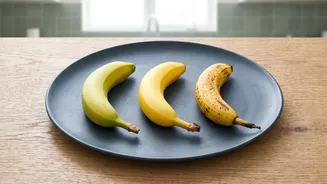
Not all bananas are created equal when it comes to their effect on blood sugar. The single biggest factor is ripeness. A green, unripe banana has a very different impact than a yellow, spotty one. Unripe bananas are high in something called resistant starch. This type of starch “resists” digestion in your small intestine, functioning more like a dietary fibre. As a result, it doesn’t cause a significant rise in blood sugar levels. In fact, green bananas have a low Glycemic Index (GI) of around 30 to 42. As a banana ripens, its enzymes break down this resistant starch into simple sugars like glucose and fructose. This means a fully ripe, yellow banana has a higher sugar content and a medium GI of about 51 to 62, causing blood sugar to rise more quickly. For this reason, choosing a banana that is still slightly green at the tips is often a better choice for blood sugar management.
Portion Size and Smart Pairing
Beyond ripeness, two other elements are crucial: how much you eat and what you eat it with. Portion size is always important when managing carbohydrate intake. A large banana contains more carbs and sugar than a small one, and will therefore have a greater impact on your glucose levels. For those with diabetes, a common recommendation is to stick to a smaller portion, such as half a medium banana. What you pair the banana with is just as important. Eating a banana alone, especially on an empty stomach, can lead to a faster blood sugar rise. To slow down the absorption of sugar, it’s best to pair it with a source of protein or healthy fat. Good options include a handful of nuts like almonds or walnuts, a spoonful of peanut butter, or a bowl of plain Greek yoghurt. This combination helps to blunt the glucose spike and promotes a feeling of fullness, preventing overeating.
Your Body, Your Rules
The concept of personalised nutrition is gaining ground because research shows that everyone responds to foods differently. Your age, activity level, genetics, and even the unique community of bacteria in your gut (your microbiome) can influence how your body processes carbohydrates. One person might eat a banana with little effect on their blood sugar, while another might experience a significant spike from the exact same fruit. This is why individual monitoring can be so valuable. If you use a glucometer, you can test your blood sugar after eating a banana to see how your body personally responds. This data-driven approach allows you to move beyond generic advice and create a dietary plan that truly works for your unique physiology. This doesn't mean you need to give up your favourite fruits; it just means you can learn how to incorporate them into your diet in a way that supports your health goals.