




The Audacious Claim
In late 2025, Elon Musk projected that by 2026, SpaceX would be responsible for delivering well over 95% of all mass launched into Earth's orbit. This followed a year where the company already accounted for an estimated 88% of the total weight sent to space,
with nations like China a distant second. The claim hinges not just on maintaining SpaceX's breakneck launch pace but on dramatically escalating it, pushing the company's dominance from merely significant to near-total. It's a statement of intent that positions SpaceX not as a market leader, but as the market itself.
SpaceX by the Numbers
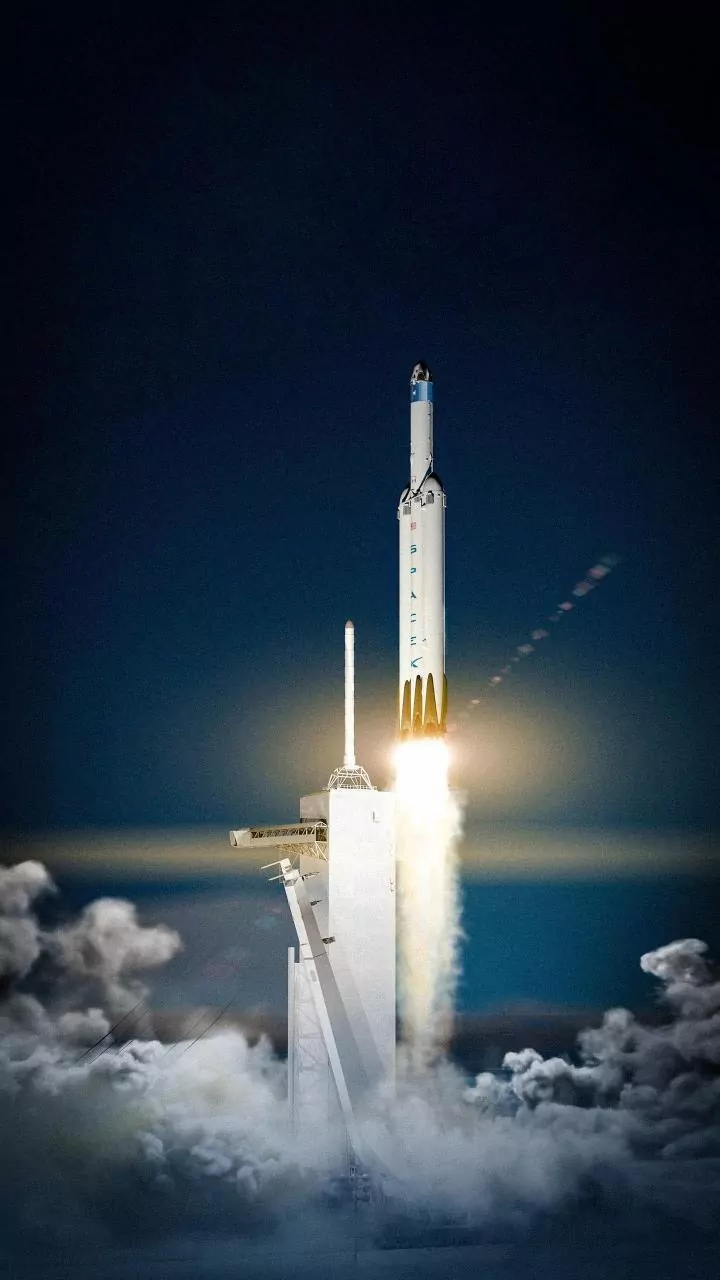
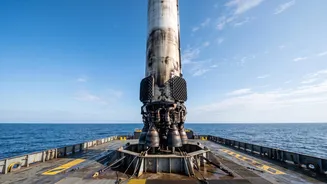
To understand the 2026 target, we have to look at the engine driving it: the Falcon 9 rocket and the company's own Starlink satellite constellation. In 2025, SpaceX conducted a record 165 orbital launches. The overwhelming majority of these—roughly 74%—were dedicated to deploying its own Starlink satellites. This internal demand gives SpaceX a baseline launch cadence that no competitor can match. While other providers wait for customers, SpaceX launches for itself, filling any open slots. This relentless pace, powered by a fleet of reusable Falcon 9 boosters, allows the company to put thousands of tonnes into orbit annually, a figure that dwarfs the combined efforts of every other nation and company.
The Asterisk: What's Being Launched?
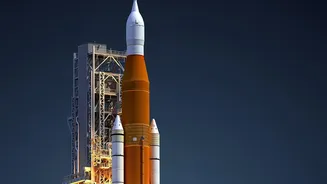
Scrutiny of Musk's claim reveals a crucial detail: not all payload is created equal. A significant portion of SpaceX's mass-to-orbit numbers comes from its own Starlink satellites. While numerous, these are relatively small compared to the large, multi-tonne national security or scientific satellites launched by competitors. Critics and analysts point out that dominating by mass is easier when you are your own biggest customer, launching thousands of your own satellites. This isn't a sleight of hand, but it provides important context. The comparison is less about launching for the world and more about the sheer industrial scale of the Starlink project, which requires a historically unprecedented launch capacity to build and maintain.
The Starship Wildcard
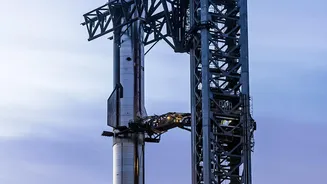
The key to reaching Musk's ambitious target is Starship, the company's next-generation, fully reusable launch vehicle. After a series of test flights with mixed results through 2025, Starship achieved a significant milestone in September 2026 by reaching orbit and deploying its first operational payload of Starlink satellites. The 'Block 3' version of Starship is designed to carry over 100 metric tons to orbit in a single flight. For perspective, that is more than four times the capacity of a Falcon 9. Even a handful of successful, payload-bearing Starship launches in the latter half of 2026 would dramatically inflate SpaceX's total mass-to-orbit figures, making the 95%-plus target entirely plausible. The company has been preparing for this ramp-up, with construction of Starship launch facilities at Cape Canaveral well underway.
Why the Comparison Matters
This isn't just about bragging rights. Controlling access to orbit has profound business and geopolitical implications. By creating a launch vehicle so capable and cost-effective it outstrips entire nations, SpaceX is reshaping the space economy. The low-cost, high-cadence model enabled by Falcon 9 and promised by Starship could make new business models, like space-based data centers, not just possible but profitable. For competitors, including major national space agencies, it presents an existential challenge: how to compete when one private company can launch more in a year than everyone else combined.