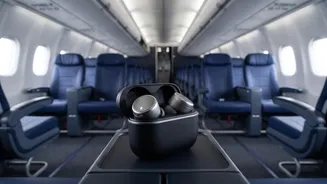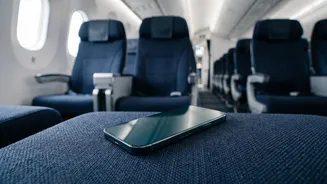








It’s a familiar, sinking feeling: the plane has docked, you’ve deplaned, and suddenly you realize your tablet, jacket, or headphones are still sitting in the seat-back pocket. What happens next? The journey of a lost item is a surprisingly complex ballet.
The First Responders: Cabin and Cleaning Crews
The retrieval process begins the moment the last passenger steps off the plane. The first line of defense is either the cabin crew doing their final checks or the cleaning crew that boards to prepare the aircraft for its next flight. As they move through the cabin, collecting rubbish and tidying up, they are also trained to look for personal belongings left behind. Items discovered in seat-back pockets, under seats, or in overhead bins are collected. According to an aircraft ground handler, valuable items like wallets, passports, and electronics are typically called out to a supervisor and logged immediately, while lower-value items might be grouped together. This initial sweep is critical, as the turnaround time for many aircraft is incredibly short.
From Air to Ground: The Handover
Once an item is found, it needs to get off the plane and into the right hands. The found items are handed over by the cabin or cleaning crew to the airline's ground staff at the arrival airport. This is a crucial handoff. The ground staff are responsible for the next stage of the process, ensuring the item doesn't simply get lost again in the bustle of airport operations. If a passenger realizes their mistake quickly and is still at the gate, they can sometimes alert the gate agent who may be able to coordinate with the crew before the item leaves the aircraft. However, once the plane is being serviced for its next departure, this window closes rapidly.
The Digital Trail: Logging and Tracking
The item’s journey is far from over. Once received by ground staff, it is taken to the airline's designated lost and found office or baggage service office. Here, the item is cataloged. Staff will log a description of the item, where and when it was found, the flight number, and any distinguishing features. Most major airlines now use sophisticated online systems. When a passenger files a lost item report through the airline’s website, the system attempts to match the passenger's description with the inventory of found items. This is why providing a detailed description is so important for a successful recovery. Adding details like brand, color, serial numbers, or unique marks significantly increases the chances of a match.
The Passenger’s Role in Recovery
Airlines emphasize that passengers need to act fast. The moment you realize you’ve left something behind, you should file a report on the airline’s official website. Contacting the airline via social media can also sometimes get a quick response, but the official online form is the primary tool for a formal search. It's important to contact the correct entity; items left on the plane are the airline's responsibility, but items left at security checkpoints are handled by the TSA, and those left in the main terminal fall under the airport authority's jurisdiction. When you fill out the form, be as specific as possible, including your flight number, seat number, and a detailed description of the item.
The Waiting Game and The Final Destination
After a report is filed, the airline will search for the item for a set period, typically around 30 days. If a match is found, the airline will contact the owner with instructions on how to verify their identity and arrange for the item’s return. But what about the items that are never claimed? Airlines hold onto found property for a period ranging from 30 to 90 days, and sometimes longer for high-value goods. After this retention period, any unclaimed articles meet various fates. Some are donated to charity, others are destroyed for security reasons (especially electronics with personal data), and many are sold in bulk to companies that specialize in reselling lost property. This gives any forgotten items a second life, far from any aircraft cabin where they were originally left.