





What Exactly Is a Ginger Compress?
A ginger compress is a form of traditional external therapy where a cloth is soaked in hot water infused with fresh ginger and applied to the skin. For centuries, it has been used in traditional medicine to help with a variety of ailments. The therapy combines
the warming properties of a hot compress with the perceived anti-inflammatory and circulation-stimulating benefits of ginger. When placed on the body, the heat helps to widen blood vessels, and the active compounds in ginger are believed to penetrate the skin, helping to relieve tension, dissolve stagnation, and ease discomfort in muscles and joints. It's commonly used for conditions like backaches, arthritis, menstrual cramps, and general muscle soreness.
Gathering Your Simple Supplies
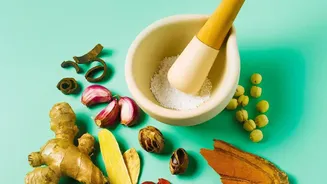
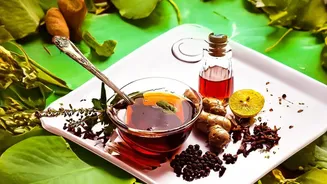
One of the best things about a ginger compress is that it requires only a few basic items you likely already have in your kitchen. Before you begin, gather the following: Fresh Ginger Root: You will need about a handful or a golf-ball-sized piece of fresh, firm ginger. Do not use ginger powder, as fresh root is key. A Large Pot: To boil the water and steep the ginger. Water: Approximately two litres. A Grater: For finely grating the ginger to release its juices. A Thin Cotton Pouch or Cloth: Cheesecloth or a simple cotton handkerchief works well to contain the grated ginger. Two or Three Towels: You will need one clean, medium-sized cotton towel for the compress itself and another larger, dry towel to place over it to retain the heat.
A Step-by-Step Guide to Application
Once your supplies are ready, follow these simple steps to prepare and apply your compress: 1. Prepare the Ginger: Thoroughly grate the fresh ginger root. Place the grated ginger into your thin cotton cloth or pouch and tie it securely. 2. Heat the Water: Bring the water to a boil in your pot, then reduce the heat to a simmer. 3. Steep the Ginger: Place the ginger pouch into the simmering water and let it steep for about 5 to 10 minutes. The water should become fragrant and slightly coloured. 4. Soak the Compress: Turn off the heat. Dip your main cotton towel into the hot ginger water. Be extremely careful as the water will be very hot. Using tongs or keeping the ends of the towel dry can help. 5. Wring and Apply: Wring out the excess water until the towel is damp but not dripping. Test the temperature on your forearm to ensure it is hot but comfortable and will not burn the skin. Apply the folded towel to the affected area, such as the lower back or a sore joint. 6. Insulate: Immediately cover the wet towel with a larger dry towel to hold in the heat for as long as possible. 7. Repeat: Leave the compress in place for 5 to 10 minutes, or until it cools. You can then re-soak the towel and repeat the process for a total of 20-30 minutes.
The Golden Rules of Safety
The headline says it all: safety begins with a clean cloth and moderate heat. Using an unhygienic cloth can introduce bacteria to warm, open pores, creating a risk of skin irritation or infection. Always start with a freshly laundered towel for the compress itself. Equally important is the temperature. While the compress needs to be hot to be effective, water that is too hot can cause serious burns. Always test the towel on a less sensitive part of your body, like your forearm, before placing it on the target area. The sensation should be one of deep, soothing warmth, not a painful, scalding heat. If it feels too hot, let it cool for a few moments before applying. Listen to your body and remove the compress immediately if you feel any discomfort.
When to Avoid a Ginger Compress
While generally safe, there are certain situations where a ginger compress should be avoided. Do not apply a ginger compress over open wounds, cuts, or rashes. It is also advised against using it on infants or very young children. People experiencing a high fever should not use a hot compress, as it can raise body temperature further. Due to its potential effects on blood clotting, individuals with bleeding disorders or those taking blood-thinning medications should consult a doctor before use. Finally, while some studies have looked at its use for back pain in pregnancy, it's best for pregnant individuals to seek medical advice before trying any new therapy.