

Hathni Kund: The Waterfall Trek
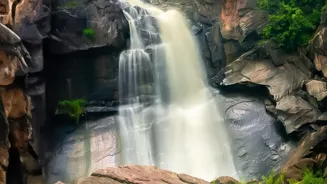
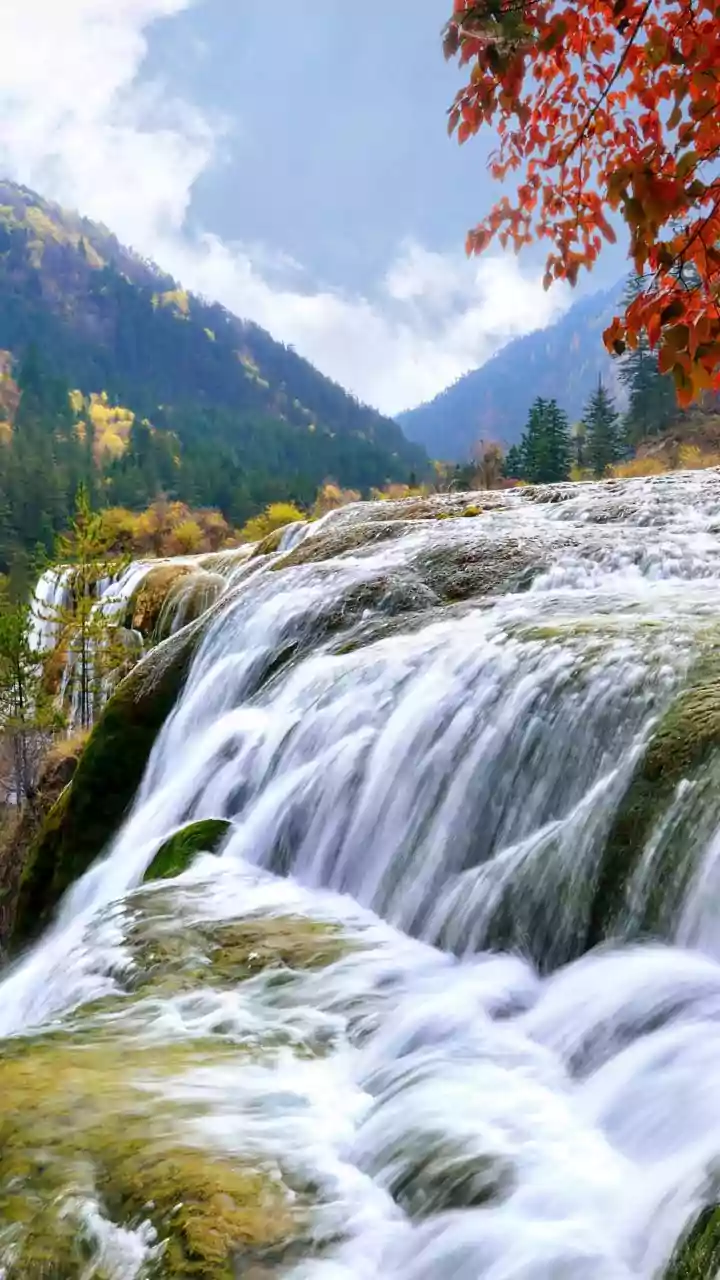
Perhaps the most famous of Jaipur's monsoon treks, Hathni Kund becomes a major draw for locals as soon as the rains begin. The trail, also known as the Water Valley Trek, typically starts from Charan Mandir on the way to Nahargarh Fort. It's a relatively
short walk of about 1.5 to 2 kilometres that winds through the now-thick vegetation of the Aravallis. The main reward is the seasonal waterfall that gives the trek its name, which flows with full force during the rainy months. The area around the 'kund' or pond becomes a lush paradise, with the sounds of peacocks often echoing through the hills. According to local history, a dam that once stood here was destroyed in a 1982 flood, creating the natural wonder that trekkers enjoy today. Given its popularity, the trail can get busy, but the vibrant scenery makes it a quintessential Jaipur monsoon experience.
Bhuteshwar Nath Mahadev: A Spiritual Hike
For a trek that blends natural beauty with ancient spirituality, the trail to Bhuteshwar Nath Mahadev temple is an excellent choice. Considered one of the older trekking paths near Jaipur, it leads to a secluded Shiva temple nestled deep in the Aravalli hills. The trek usually starts from Sagar Lake, behind Amer Fort, and offers a moderate challenge that takes about 40 to 60 minutes to ascend. During the monsoon, the route is transformed. The rugged, rocky path is flanked by lush greenery, and the panoramic views from the trail are spectacular. Trekkers pass by old ruins on their way to the temple, adding a historical dimension to the hike. While the temple can be reached by road, the trek itself is the main attraction for adventure lovers, offering a peaceful escape and some of the best green landscapes the season has to offer.
Nahargarh Fort: The Classic Ridge Walk
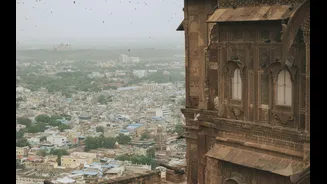
While Nahargarh Fort is a year-round attraction, trekking to it during the monsoon is a completely different experience. The classic trail, a cobbled path that winds up the hill, becomes dotted with small, seasonal water streams. The trek offers ever-expanding, panoramic views of a rain-washed Jaipur, with Man Sagar Lake and the Jal Mahal often shrouded in mist. There are multiple starting points, including Garh Ganesh Temple, making it an accessible trek for most fitness levels. The walk itself is not just about the destination; it’s about watching the city unfold below from a fresh, green perspective. Once at the top, the fort's ramparts provide the perfect vantage point to soak in the dramatic monsoon sky and the lush surroundings, a view made famous in films like 'Rang De Basanti'.
Saan Valley: An Offbeat Adventure
If you're looking to escape the crowds, the Saan Valley trek is one of Jaipur's best-kept secrets. Located near Kukas on the city's outskirts, this area is a raw, untouched stretch of hills that truly comes alive only during the monsoon. It is a roughly 4-kilometre guided trek that takes you through butterfly-filled meadows and rocky paths. The reward at the end is a sweeping view of the Saan hills from the summit, where a small Hanuman temple also sits. This trail is less of a manicured path and more of a raw nature walk, offering a sense of exploration and discovery away from the more popular spots. For those seeking solitude and an authentic experience of the Aravallis in their monsoon glory, Saan Valley is an ideal choice.
Safety Tips for Monsoon Trekking
While the monsoon landscapes are inviting, trekking during this season requires extra caution. Trails can become slippery and muddy, so wearing shoes with a good grip is essential. It's always wise to check the weather forecast before you head out and avoid trekking immediately after very heavy rainfall. Carrying a light raincoat or poncho is more practical than an umbrella on uneven terrain. For less-traveled routes, consider going with a group or a local guide. Pack essentials like water, snacks, and a basic first-aid kit, and ensure your phone is fully charged. By taking these simple precautions, you can safely enjoy the stunning transformation of Jaipur's landscapes.