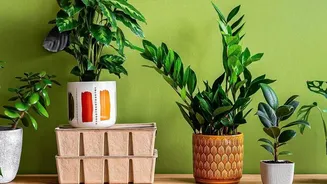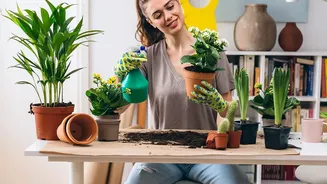






The idea that a few potted plants can scrub your indoor air clean is a compelling one. But does the science back it up? Let’s explore the famous NASA study that started it all and find out what it really means for our homes today.
The Famous NASA Study: A Sealed Chamber, Not a Living Room
The belief in air-purifying
plants is largely rooted in a 1989 NASA study. Researchers were looking for ways to clean the air in sealed space stations and tested if common houseplants could remove volatile organic compounds (VOCs) like benzene and formaldehyde from the air. They placed plants in small, airtight chambers, injected pollutants, and observed that the plants did indeed absorb a significant portion of these chemicals. The study was a success for its specific purpose, proving that in a sealed environment, plants could be effective bio-filters. However, our homes and offices are not sealed chambers. They are much larger and are constantly being ventilated by open windows, doors, and HVAC systems. This crucial difference is where the popular interpretation of the study goes astray.
Reality Check: How Many Plants Do You Really Need?
Subsequent research has put the NASA findings into a real-world context. A 2019 review that analysed decades of studies concluded that you would need a huge number of plants to make a noticeable difference in a typical room. Estimates suggest anywhere from 10 to 1,000 plants per square metre would be required to match the air-cleaning rate of a building’s standard ventilation system or even just a few open windows. The fact is, the natural air exchange in your home is already doing most of the heavy lifting. While plants do absorb pollutants, their effect on overall air quality in a normal, ventilated space is minimal. But that doesn't mean you should give up on indoor greenery. The real benefits of houseplants may lie elsewhere.
Snake Plant: The Unkillable Classic
The Snake Plant (Dracaena trifasciata) is a hero of low-maintenance gardening and was one of the plants in the original NASA study. Its tough, architectural leaves make it a modern decor staple. While its air-purifying powers might be overstated, its ability to survive neglect is not. This plant thrives in a wide range of light conditions, from low light to bright, indirect sun, and asks for very little water. In fact, the biggest danger to a snake plant is overwatering. Allow the soil to dry out completely between waterings, making it the perfect companion for busy homeowners.
Spider Plant: The Easy Propagator
The Spider Plant (Chlorophytum comosum) is another veteran of the NASA study, known for its arching leaves and the charming baby 'spiderettes' that dangle from the mother plant. These plantlets can be easily snipped off and potted to create new plants for free. Spider plants are forgiving and adaptable, preferring bright, indirect light but tolerating lower light levels. They like their soil to be kept moist but not soggy, and they'll often tell you they're thirsty with slightly fading leaves. Their cheerful, cascading form makes them perfect for hanging baskets or placing on shelves.
Peace Lily: The Elegant Bloomer
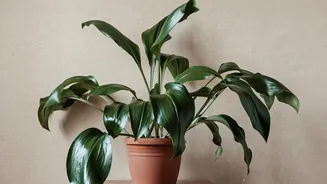
The Peace Lily (Spathiphyllum) is prized for its elegant white blooms and glossy, dark green leaves. It’s also one of the plants shown to be effective in sealed-chamber studies. In the home, it adds a touch of sophistication and is surprisingly communicative; its leaves will dramatically droop when it needs water, perking right back up after a good drink. This plant prefers shady spots and consistently moist soil, making it well-suited for Indian homes where direct sun can be harsh. It’s a great choice for adding a floral touch without the complexity of many flowering plants.
Areca Palm: The Tropical Touch
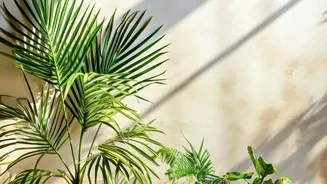
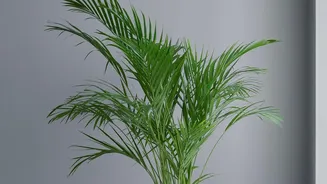
With its feathery, arching fronds, the Areca Palm (Dypsis lutescens) brings a lush, tropical feeling to any indoor space. It's one of the most popular indoor plants in India for its ability to soften a room and create a resort-like vibe. Areca Palms prefer bright, indirect light, as direct sun can scorch their delicate leaves. They enjoy consistent moisture and higher humidity, so misting the leaves occasionally can keep them looking fresh, especially in drier environments. While it won't singlehandedly purify your room, its graceful presence can certainly purify your mood.
Money Plant: The Resilient Vine
Known as Pothos or Devil's Ivy (Epipremnum aureum), the Money Plant is arguably one of the easiest houseplants to grow, making it a staple in many Indian households. Its trailing vines with heartshaped leaves can be trained to climb or left to cascade from a high shelf. Noted in the NASA research, it's incredibly adaptable, thriving in both bright,' indirect light and lowerlight conditions. It is also quite forgiving when it comes to watering; just let the top layer of soil dry out before you water it again. Its resilience and rapid growth make it a highly rewarding plant for beginners.
Rubber Plant: The Bold Statement
The Rubber Plant (Ficus elastica) offers a bold,' dramatic look with its large,' glossy,' dark green or even variegated leaves. It's a lowmaintenance plant that can grow into an impressive indoor tree over time. It prefers bright,' indirect light,' which helps maintain the vibrancy of its foliage.' Like many on this list,' it dislikes being overwatered.' The best approach is to check the soil and water thoroughly only when the top few inches are dry.' Wiping the large leaves with a damp cloth not only keeps them dustfree and shiny but also helps the plant breathe.